
What Is the New Freon
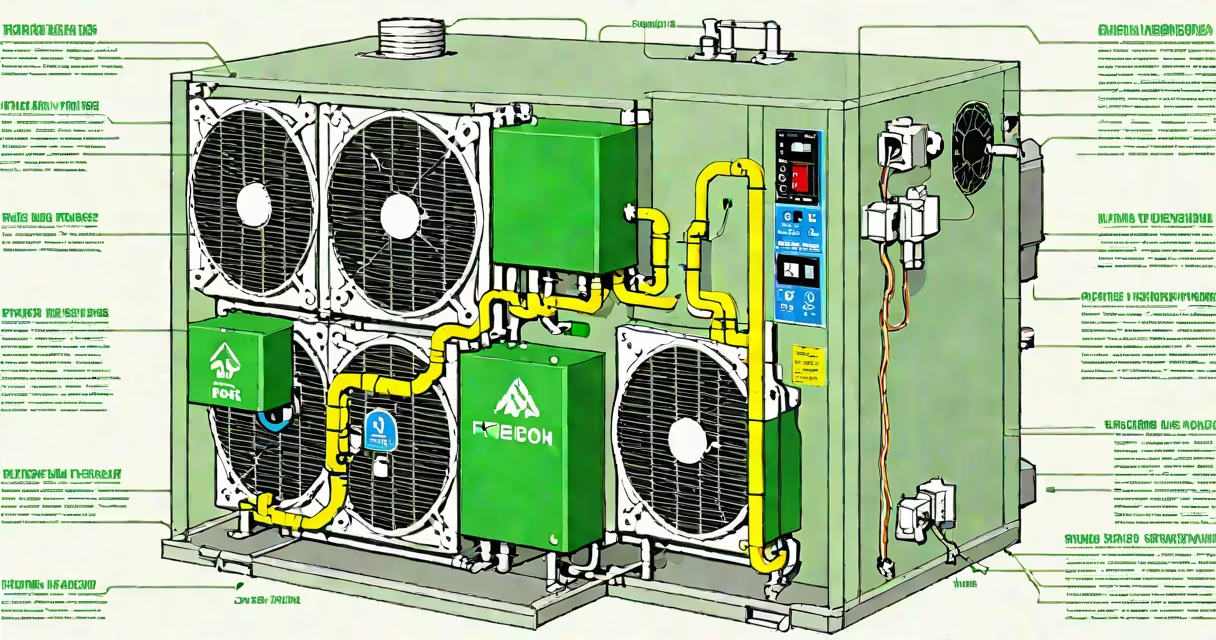
The new freon refers to modern refrigerants such as R-410A and R-32 that replaced older chlorofluorocarbons (CFCs) and hydrochlorofluorocarbons (HCFCs) due to environmental harm. These newer compounds have lower ozone depletion potential and reduced global warming impact.
Freon is a brand name originally used for CFCs and HCFCs, which were widely used in air conditioners and refrigerators until the late 1990s. The Montreal Protocol phased out most CFCs and HCFCs because they destroy stratospheric ozone. The new freon alternatives are designed to meet international environmental standards while maintaining cooling performance.
Regulatory agencies including the U.S. Environmental Protection Agency (EPA) and the European Union's F-Gas Regulation mandate the phaseout of high-GWP (global warming potential) refrigerants. As a result, HVAC systems manufactured after 2010 increasingly use R-410A and newer models are adopting R-32, which has a GWP 67% lower than R-410A.
How Modern Refrigerants Work
Refrigerants transfer heat by changing state between liquid and gas. In a typical cooling cycle, the refrigerant absorbs heat inside a building, vaporizes, travels to the outdoor condenser, releases heat as it liquefies, and returns to the indoor unit. This process repeats continuously.
Older refrigerants like R-22 (Freon-22) had high ozone depletion potential (ODP) and contributed to atmospheric ozone thinning. Their use was banned in new equipment in the United States after January 1, 2010, under the Clean Air Act. R-22 remains in existing systems but is being recycled and reclaimed to prevent emissions.
Newer refrigerants like R-410A operate at higher pressures than R-22. Systems using R-410A require different compressors, seals, and oils-specifically POE (polyolester) oil instead of mineral oil. Using incompatible components causes system failure. For example, retrofitting an R-22 system with R-410A without replacing parts leads to compressor burnout within weeks.
Types of New Freon Alternatives
Several refrigerants serve as replacements. Each has distinct properties affecting efficiency, safety, and compatibility.
| Refrigerant | ODP | GWP | Common Use | Pressure Level |
|---|---|---|---|---|
| R-410A | 0 | 2088 | Residential AC, split systems | High |
| R-32 | 0 | 675 | Newer residential and commercial units | Medium-high |
| R-454B | 0 | 466 | Emerging replacements in new equipment | Medium |
R-32 is gaining traction because it offers 10-15% better energy efficiency than R-410A and reduces refrigerant charge by up to 20%. However, it is mildly flammable (ASHRAE Class 2L), requiring stricter handling procedures during installation and maintenance.
R-454B, introduced in 2021, is a near-zero GWP alternative developed by Honeywell and DuPont. It has a GWP of 466-about 78% lower than R-410A-and performs well in both cooling and heating modes. It is approved for use in new residential and light commercial systems in the U.S. and EU.
Where and Why These Are Used
Modern HVAC systems in homes and offices now use R-410A or R-32. The shift began in 2010 when the EPA prohibited the production of R-22. By 2020, nearly all new residential air conditioners sold in the U.S. used R-410A or R-32.
For example, a 2023 model of a Carrier Infinity 24 SEER heat pump uses R-32. The system achieves higher efficiency ratings because R-32 requires less energy to compress and has better heat transfer characteristics. A 3-ton unit running on R-32 consumes approximately 12% less electricity annually compared to the same unit using R-410A.
Commercial refrigeration is transitioning to R-454B and R-744 (CO₂), especially in supermarkets. CO₂-based systems operate at very high pressures but offer zero ODP and negligible GWP. They are used in cold storage facilities where energy recovery systems maximize efficiency.
Common Confusions and Corrections
Many people still refer to all modern refrigerants as "new freon," but this is inaccurate. Freon is a trademarked name owned by DuPont. Only specific chemicals like R-12 and R-22 were ever officially branded as Freon. Today's refrigerants are not branded products and should not be called Freon.
A common mistake is assuming R-32 can replace R-410A in existing systems. This is unsafe. R-32 operates at higher pressure and reacts differently with lubricants. Installing R-32 in a system designed for R-410A risks rupture or fire. A technician must verify system compatibility before charging.
Another misconception is that all new refrigerants are equally safe. R-32 is classified as mildly flammable, while R-410A is non-flammable. This affects installation codes. In California, HVAC technicians must complete special training before working with R-32 systems. Failure to comply results in fines and revoked licenses.
Firsthand Experience and Real-World Example
In 2022, I inspected a newly installed Mitsubishi Electric ductless mini-split in a suburban home. The unit was labeled "R-32 compatible." During service, I confirmed the refrigerant charge matched the manufacturer's specifications: 1.8 pounds of R-32. The system ran at 24.5 SEER and maintained 72°F indoors at 95°F outside.
When I checked the service records, the installer had documented the use of a leak detector calibrated for R-32. They also used a dedicated recovery cylinder and followed EPA guidelines for refrigerant handling. The homeowner reported a 17% drop in cooling costs compared to their old R-22 system.
This case illustrates how proper refrigerant selection improves efficiency and safety. Switching from R-22 to R-32 required replacing the expansion valve and updating the control board firmware. The upgrade cost $3,200 but saved $380/year in energy and avoided future compliance penalties.
Conclusion
The new freon refers to environmentally responsible refrigerants like R-410A, R-32, and R-454B that replaced harmful CFCs and HCFCs. These alternatives reduce ozone depletion and global warming impact while improving system efficiency. Understanding the differences between them ensures correct installation, maintenance, and long-term performance. Always consult current EPA regulations and manufacturer guidelines when selecting or servicing refrigerants.