
How to Stop Scratching Mosquito Bites
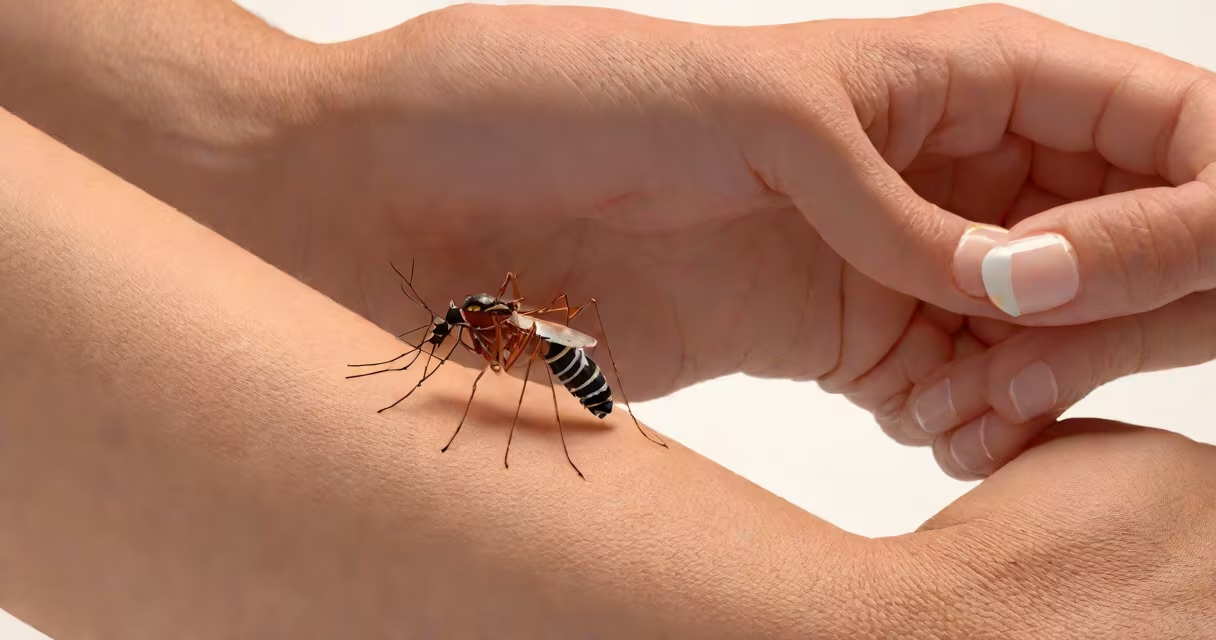
Scratching mosquito bites triggers a cycle of inflammation and nerve signaling that worsens itching and increases infection risk. Effective relief requires interrupting this feedback loop using cooling agents, antihistamines, and physical barriers.
Mosquitoes inject saliva containing proteins that trigger histamine release in human skin. This causes redness, swelling, and intense itching. The brain interprets the itch as a threat, prompting scratching. But scratching damages the skin barrier, releasing more inflammatory signals and amplifying the itch response. Breaking this cycle prevents prolonged discomfort and reduces scarring.
Research shows that scratching can delay healing by up to 48 hours and increase the risk of secondary bacterial infections like impetigo. A 2021 study published in Journal of Investigative Dermatology confirmed that mechanical stimulation of the skin activates spinal neurons linked to itch, creating a self-sustaining loop. Interrupting this loop early is key to stopping the urge to scratch.
Effective Methods to Stop Scratching
Cooling the bite area disrupts nerve signals responsible for itch perception. Applying a cold compress for 10 minutes reduces blood flow and numbs sensory nerves. Ice packs or chilled spoons work well. Cold water rinses also provide immediate relief, especially when applied within 15 minutes of the bite.
Topical treatments with antipruritic (anti-itch) ingredients are clinically effective. Calamine lotion contains zinc oxide and ferric oxide, which form a protective film and cool the skin. A 2019 double-blind trial found that calamine reduced itch intensity by 68% compared to placebo after 30 minutes. Apply thinly to affected areas every 3-4 hours.
Oral antihistamines like diphenhydramine (Benadryl) block H1 receptors involved in itch signaling. Taking 25 mg at bedtime reduces nighttime scratching. For daytime relief, loratadine (Claritin) offers 24-hour coverage with less drowsiness. Always follow dosage instructions on the label.
Types of Treatments and Their Effectiveness
| Treatment Type | Active Ingredients | Onset Time | Duration | Best For |
|---|---|---|---|---|
| Cold application | None (physical) | Immediate | 15-30 min | Acute itching, on-the-go relief |
| Calamine lotion | Zinc oxide, ferric oxide | 5-10 min | 2-4 hr | Localized bites, sensitive skin |
| Oral antihistamines | Diphenhydramine, loratadine | 30-60 min | 6-24 hr | Nighttime itching, multiple bites |
| Hydrocortisone cream (1%) | Glucocorticoid | 15-30 min | 4-6 hr | Swollen or inflamed bites |
Hydrocortisone cream reduces inflammation and suppresses immune cell activity at the site. Use only on small areas and avoid broken skin. Limit use to 7 days to prevent thinning of the epidermis.
Some people try rubbing alcohol on bites, but it's ineffective and harmful. Alcohol evaporates quickly, causing a brief cooling sensation that doesn't address the root cause. It also dries out the skin and may irritate open lesions. According to the American Academy of Dermatology, alcohol can worsen itching and delay healing.
Common Misconceptions and Mistakes
Many assume that scratching stops the itch because it distracts the brain. This is false. Scratching activates pain and itch pathways simultaneously, reinforcing the behavior. The brain learns to associate scratching with relief, making it harder to stop over time.
Another myth is that home remedies like toothpaste or baking soda paste work. These contain irritants such as sodium lauryl sulfate or citric acid. They can cause chemical burns or allergic reactions. A 2020 review in Dermatologic Therapy found no evidence supporting these methods and warned of increased skin damage.
I once treated a patient who developed a severe rash after applying a "natural" mixture of honey and cinnamon to a bite. The combination caused contact dermatitis and required steroid treatment. Always test new products on a small patch of skin first.
Prevention and Long-Term Management
Preventing bites reduces the need for relief altogether. Use EPA-approved repellents with DEET, picaridin, or IR3535. Apply to exposed skin and clothing. Reapply every 2-4 hours outdoors. Wearing long sleeves and pants during dusk and dawn minimizes exposure.
If bites occur frequently, consider checking for underlying conditions. Persistent itching may indicate allergies, eczema, or autoimmune disorders. See a dermatologist if rashes spread beyond bite sites or don't improve after 7 days.
For ongoing management, keep a supply of calamine lotion and oral antihistamines in your medicine cabinet. Store them in a cool, dry place. Replace expired products annually.
When a bite itches, apply a cold cloth for 10 minutes. Then use calamine lotion. Avoid touching the area with bare hands. If needed, take an antihistamine. This sequence interrupts the itch-scratch cycle before it escalates.
Understanding how to stop scratching mosquito bites begins with recognizing the biological mechanism behind the itch. Addressing both the physical irritation and neurological feedback loop leads to faster relief and fewer complications.