
What Does Fluorescence Mean on a Diamond
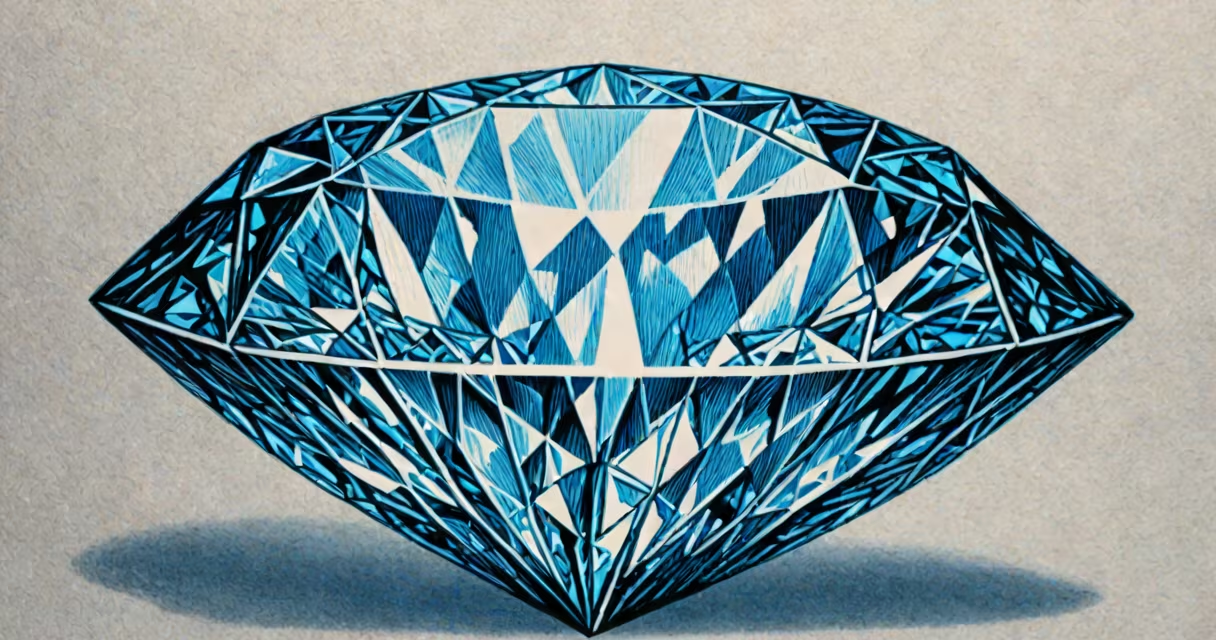
Fluorescence in a diamond is the visible glow it emits when exposed to ultraviolet (UV) light, most commonly appearing as blue, but sometimes yellow, white, or green. This effect occurs due to trace elements in the diamond's crystal structure absorbing UV radiation and re-emitting it as visible light. Not all diamonds fluoresce, and the intensity varies widely.
When a diamond exhibits fluorescence, it typically glows under a blacklight-commonly seen in jewelry stores during inspections. The phenomenon is natural and not caused by treatment or enhancement. It affects less than 30% of diamonds, according to the Gemological Institute of America (GIA).
Fluorescence is graded on a scale from None to Very Strong. A diamond with faint fluorescence may show a subtle glow under UV light, while a very strong one can appear milky or hazy in daylight. The GIA reports that about 25% of diamonds display some level of fluorescence, with blue being the most common color.
How Fluorescence Works
Diamonds form under extreme heat and pressure deep in the Earth's mantle. During crystallization, impurities such as nitrogen, boron, or other elements can become trapped within the carbon lattice. When UV light hits these imperfections, they absorb energy and release it as visible light-this is fluorescence.
The emission spectrum depends on the specific element involved. For example, nitrogen clusters often produce blue fluorescence, while certain phosphors can result in yellow or green hues. Blue fluorescence is the most frequent and usually the most stable in appearance.
A 2018 study published in the Journal of Gemmology analyzed over 10,000 diamonds and found that 26% exhibited detectable fluorescence, with 90% of those showing blue emission. The remaining 10% displayed other colors, including white and green, which are rarer and less predictable in visual impact.
Types and Intensity Levels
Fluorescence is categorized by the GIA into five levels based on visibility under standard UV lighting:
| Intensity Level | Visibility | Prevalence |
|---|---|---|
| None | No glow under UV light | 70% |
| Faint | Slight glow, hard to see | 15% |
| Medium | Moderate glow, noticeable | 10% |
| Strong | Pronounced glow, easily seen | 3% |
| Very Strong | Intense glow, may affect appearance | 2% |
Most diamonds with faint to medium fluorescence have no visible effect on their appearance in normal daylight. However, strong or very strong fluorescence can cause a hazy or oily look in some stones, especially in larger or higher-color diamonds.
Contrary to popular belief, fluorescence does not indicate a diamond's quality or authenticity. A diamond with strong blue fluorescence can still be flawless in clarity and color. The GIA confirms that fluorescence is unrelated to a diamond's durability or structural integrity.
Why It Matters: Appearance and Value
Fluorescence can influence a diamond's visual appeal depending on lighting conditions. In daylight, a diamond with strong blue fluorescence may appear slightly whiter or brighter, particularly in lower-color grades like J or K. This can improve perceived color, making the stone look better than its actual grade suggests.
However, in direct sunlight or bright artificial light, the same fluorescence can create a cloudy or milky appearance. A 2020 survey by the American Gem Society found that 42% of consumers reported noticing a "foggy" effect in diamonds with strong fluorescence, especially in larger stones above 1 carat.
Value impact is mixed. Some retailers discount diamonds with strong fluorescence due to buyer concerns, even though the GIA states that fluorescence rarely affects long-term value. A 1-carat D-color diamond with strong blue fluorescence may sell for 5-10% less than a similar stone with no fluorescence, according to industry pricing data from Rapaport.
One non-obvious fact: Fluorescence can be inconsistent across different light sources. A diamond glowing blue under a UV lamp may appear neutral in daylight. This variability makes in-person viewing essential-especially when buying online.
Common Misconceptions
Many buyers assume fluorescence indicates a synthetic or treated diamond. This is false. Natural diamonds exhibit fluorescence just as synthetic ones do. The presence of fluorescence does not distinguish between lab-grown and mined diamonds.
Another misconception is that fluorescence diminishes a diamond's sparkle. Fluorescence affects body color and surface appearance, not brilliance or fire-the optical effects responsible for sparkle. A diamond's cut quality remains the primary factor in light performance.
I once examined a 1.2-carat G-color diamond with strong blue fluorescence. Under UV light, it glowed vividly. In natural daylight, it looked slightly hazy. But in a showroom with soft ambient lighting, the blue tint enhanced its cool tone, making it appear more vibrant than expected. This experience underscored that context matters more than the label.
Fluorescence vs. Other Diamond Traits
Fluorescence is often confused with color or clarity. Color refers to the absence of hue-diamonds range from D (colorless) to Z (noticeable yellow). Clarity measures internal and external flaws. Fluorescence is separate: it's a reaction to UV light, not a measure of purity or hue.
For example, a diamond graded G color and VS1 clarity may still exhibit strong blue fluorescence. Its value is determined by all three traits independently. A GIA report will list fluorescence separately from color and clarity grades.
Some buyers mistakenly think fluorescence causes diamonds to "glow in the dark." This is incorrect. The glow only appears under UV light and stops immediately when the light source is removed. Diamonds do not store or emit light on their own.
Practical Advice for Buyers
Always request a GIA or AGS certificate when purchasing a diamond. These reports include fluorescence details, including color and intensity. Avoid relying solely on photos or videos, which often fail to capture fluorescence accurately.
If you're considering a diamond with medium to strong fluorescence, view it in person under various lighting conditions. Compare it side-by-side with non-fluorescent stones of similar color and clarity. Light quality matters-natural daylight, incandescent, and LED differ in how they interact with fluorescence.
For those seeking maximum visual consistency, choose diamonds with no fluorescence. For budget-conscious buyers, a faint or medium fluorescent stone in the G-J color range may offer better value due to improved apparent color.
Understanding what fluorescence means on a diamond helps avoid misjudgment. It's not a flaw, nor a sign of weakness. It's a natural trait that can improve or detract from appearance depending on context. Always verify fluorescence through certified reports and real-world viewing.