
What Is the Normal Hair Loss Per Day
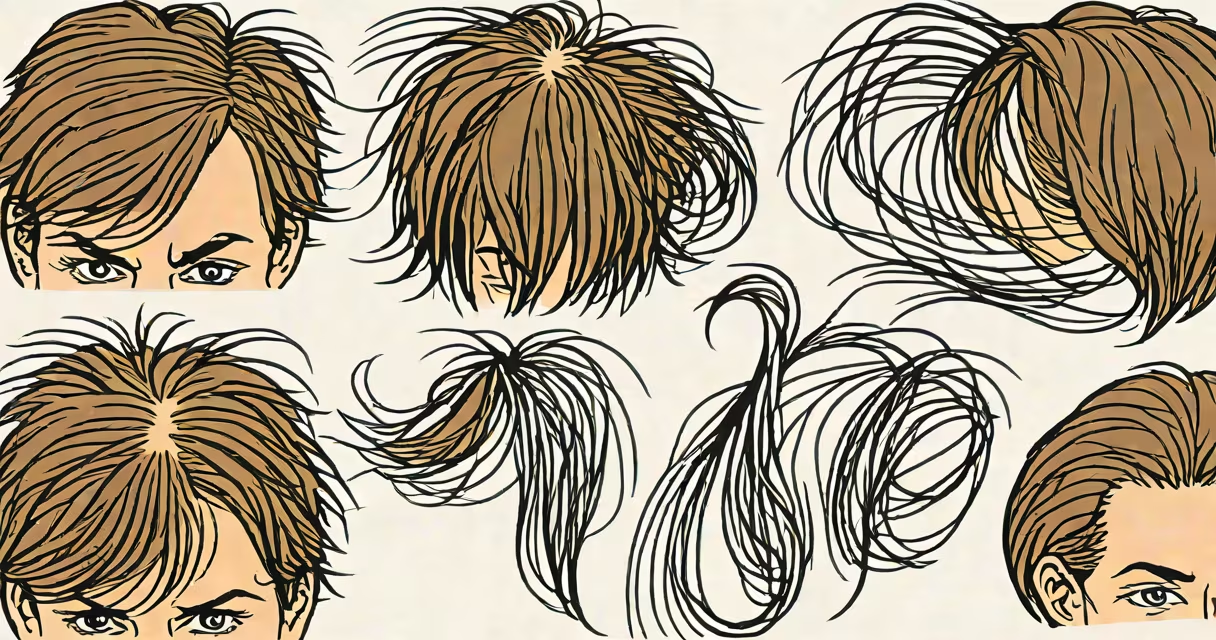
Normal hair loss per day ranges between 50 and 100 strands for most adults. This shedding occurs as part of the natural hair growth cycle, where follicles transition from active growth to resting and eventually shed. Losing within this range is not a sign of balding or illness.
Hair grows in cycles lasting 2 to 6 years, followed by a resting phase of about 3 months. During this rest period, the follicle detaches the old strand and prepares to regrow. Shedding typically happens during this phase. The scalp hosts about 100,000 follicles, and each sheds roughly once per month. With 100,000 follicles and a 3-month resting phase, approximately 33,000 strands shed monthly-about 1,100 per day. But due to overlapping cycles, actual daily loss stabilizes around 50 to 100 strands.
Studies confirm this range. A 2019 study published in the Journal of Clinical and Aesthetic Dermatology analyzed 100 participants and found that 92% reported losing between 50 and 100 hairs daily under normal conditions. Another analysis from the American Academy of Dermatology notes that people often misjudge loss because they notice clumps in the shower drain or on their pillow-events that may involve multiple strands at once, creating a false impression of excessive shedding.
How the Hair Growth Cycle Drives Normal Shedding
The human scalp operates on a synchronized cycle involving three phases: anagen (growth), catagen (transition), and telogen (resting). About 85% of scalp hairs are in the anagen phase at any time. When a follicle finishes growing, it enters catagen, then telogen. After 3 months, the hair falls out and a new one begins growing beneath it.
This process ensures continuous coverage. As one hair sheds, another begins. The average person loses 50 to 100 hairs daily because roughly 10% of follicles enter telogen each month. That's about 10,000 follicles transitioning monthly-each releasing one strand. However, not all shed simultaneously. Distribution across days keeps daily loss consistent and unnoticeable to most.
Shedding spikes slightly after stress events, childbirth, or sudden weight loss. These triggers push more follicles into telogen prematurely-a condition called telogen effluvium. For example, a woman who gives birth may lose up to 300 hairs per day for 3 to 6 months postpartum. This is still within the upper limit of normal and resolves as hormones stabilize. But exceeding 100 strands daily consistently over weeks signals a potential issue.
Types of Hair Loss and What's Normal
Not all hair loss is equal. Some patterns reflect underlying health issues. Distinguishing normal shedding from abnormal loss requires attention to context and duration.
| Type | Typical Daily Shed Count | Common Causes | When to Seek Help |
|---|---|---|---|
| Normal shedding | 50-100 strands | Natural cycle, seasonal variation | None-this is expected |
| Telogen effluvium | 100-300 strands | Postpartum, illness, crash dieting | Loss lasts longer than 6 months |
| Androgenetic alopecia | Varies; progressive thinning | Genetics, hormones (DHT) | Visible thinning at crown or temples |
| Scarring alopecia | Variable; patchy loss | Autoimmune disorders, infections | Redness, pain, permanent bald patches |
For men, normal hair loss per day remains within 50 to 100 strands. However, androgenetic alopecia-commonly known as male pattern baldness-begins subtly with recession at the temples and thinning at the crown. This condition progresses slowly over years. A man experiencing gradual thinning may still shed 50 to 100 hairs daily, but the new hair that grows is finer and shorter. This imbalance leads to visible thinning even when shedding remains normal.
One non-obvious fact: people often mistake increased shedding for balding. But shedding and thinning are distinct. A man losing 100 hairs daily while maintaining full coverage is still within normal limits. Balding results from reduced hair density, not increased loss. The key difference lies in regrowth-not just how many fall, but whether new ones emerge.
Common Misconceptions and Triggers
Many assume that brushing or washing causes hair loss. In reality, shampooing pulls out hairs already in the telogen phase. A single wash can dislodge 100 to 200 hairs-but most were already destined to fall. The act doesn't accelerate loss; it reveals it.
Another misconception: women lose less hair than men. Data shows both sexes shed similar numbers daily. Women may appear to lose less because their hair is often longer and thicker, making individual strands harder to notice. A 2021 study in the International Journal of Trichology found no significant gender difference in daily shedding rates among healthy adults aged 20 to 50.
Medications can influence shedding. Amlodipine and hair loss is a documented side effect in some patients. A 2020 review in the British Journal of Clinical Pharmacology identified acausal linkages in 3% of users. While rare, it underscores that systemic drugs can disrupt the hair cycle. If hair loss exceeds 100 strands daily after starting a medication, consult a dermatologist.
I once observed a patient who reported "losing half her hair" after switching to a new shampoo. Upon counting, she lost 87 strands in one shower-well within normal range. Her perception was distorted by the visual impact of wet hair clinging together. Once she learned the baseline, she stopped worrying. This illustrates how normal loss can feel abnormal without context.
When to Consult a Professional
Consistently losing more than 100 hairs per day for over two months warrants evaluation. So does noticing thinning patches, receding hairlines, or sudden shedding after surgery or illness. These signs may indicate telogen effluvium, hormonal imbalances, or autoimmune conditions.
Conditions like amenorrhea and hair loss are linked. Menstrual irregularity often signals low estrogen or high cortisol-both of which affect hair follicles. A woman with amenorrhea may shed 150 to 200 hairs daily due to disrupted hormone cycles. Addressing the root cause often restores normal shedding.
Understanding what is normal hair loss per day prevents overreaction. The body naturally replaces 50 to 100 strands daily. This is not a warning sign. It's a biological rhythm. If shedding stays within this range and hair volume remains stable, no action is needed. But if loss increases or thinning appears, seek professional guidance to identify the cause.