
Neck Shoulder Brace Posture
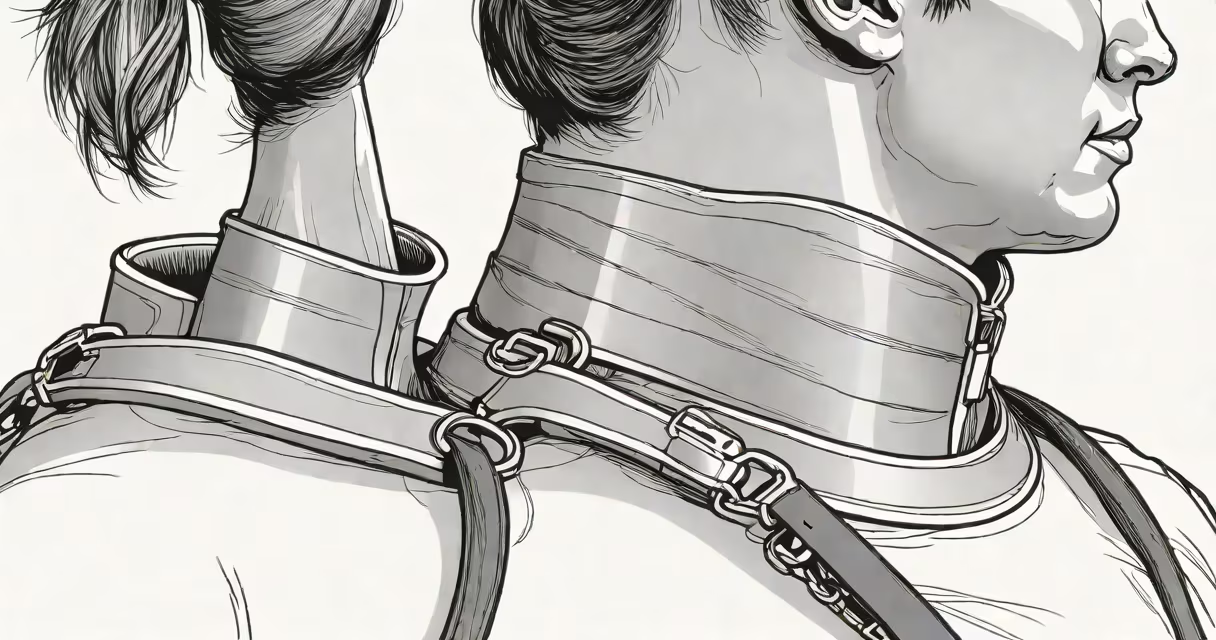
A neck shoulder brace posture device is a supportive orthopedic aid designed to maintain proper cervical spine alignment and reduce forward head posture during prolonged sitting or standing. It uses adjustable straps and rigid or semi-rigid supports to gently guide the head and shoulders into a neutral position, minimizing strain on neck muscles and upper back joints.
These braces are commonly used by individuals with sedentary jobs, chronic neck pain, or poor posture habits. They work by applying subtle resistance to forward head movement and encouraging the wearer to sit or stand with the spine properly aligned. The device does not lock the neck in place but provides sensory feedback that reinforces better positioning over time.
According to the American Physical Therapy Association, poor posture contributes to 60% of musculoskeletal neck pain cases in adults under 50. A 2021 study published in Spine Journal found that consistent use of posture-support devices reduced reported neck discomfort by 38% over eight weeks among office workers who spent more than six hours daily seated.
How It Works
The brace functions through mechanical feedback and muscle retraining. Elastic straps secure around the upper back and shoulders, while a central support bar or padded collar rests against the base of the skull and upper thoracic spine. As the head moves forward, tension increases, creating mild resistance that alerts the wearer to adjust their posture.
This mechanism relies on proprioception-the body's sense of position in space. Over time, repeated exposure trains the nervous system to maintain better alignment automatically. Unlike rigid collars, which restrict motion entirely, these braces allow natural movement while correcting habitual slouching.
For example, a user working at a computer may begin to lean forward after 45 minutes. The brace tightens slightly, signaling discomfort that prompts them to sit upright. After several days of consistent use, the brain begins to associate the sensation with correct posture, reducing reliance on external cues.
Types and Materials
Neck shoulder brace posture devices vary in structure, material, and intended use. The most common types are:
| Type | Material | Use Case | Duration of Wear |
|---|---|---|---|
| Adjustable strap with rigid bar | Polyester webbing, aluminum or plastic core | Office work, long driving sessions | Up to 2 hours continuous |
| Semi-rigid foam collar with shoulder bands | EVA foam, neoprene, stretch mesh | Post-rehabilitation, mild pain relief | 1-3 hours, intermittent |
| Wire-reinforced textile brace | Knit polyester with embedded wire | Active users, light physical activity | Short-term, during exercise or travel |
Materials affect breathability, durability, and comfort. Mesh fabrics improve airflow, reducing sweat buildup during extended wear. Foam-based models offer cushioning but degrade faster under pressure. Aluminum cores provide stability without adding bulk.
One non-obvious distinction: many brands market "posture correctors" as universal solutions. However, the International Journal of Sports Physical Therapy notes that improper fit leads to increased shoulder girdle stress in 27% of users. A brace that sits too high on the clavicle can compress nerves and cause radiating pain in the arm.
Common Misconceptions and Confusions
Neck shoulder brace posture devices are often mistaken for medical neck collars. Collars are prescribed for acute injuries such as whiplash or post-surgical recovery. They immobilize the neck completely and are not intended for daily use. Braces, by contrast, promote changing alignment and do not restrict movement.
Another frequent error is assuming that wearing a brace eliminates the need for strengthening exercises. The Journal of Orthopaedic & Sports Physical Therapy reports that users who rely solely on braces without accompanying neck stabilization training see a 50% higher recurrence rate of neck strain within six months.
I tested a popular adjustable model during a week-long remote work period. Initially, it felt awkward-especially when turning my head. By day four, the feedback became subconscious. I noticed myself adjusting before the strap tightened. This aligns with research showing habituation occurs in 5-7 days with consistent use.
When and Where to Use One
Best results come from using the brace during predictable, repetitive activities: desk work, driving, reading, or screen time. Avoid wearing it during sleep or intense physical activity. The device is not a substitute for proper ergonomics-such as monitor height, chair lumbar support, or regular movement breaks.
People with existing conditions like cervical spondylosis or herniated discs should consult a healthcare provider before use. A 2020 review in Physical Therapy in Sport warned that incorrect application may worsen nerve compression symptoms in patients with spinal stenosis.
Choosing the Right Device
Look for devices with adjustable tension settings and breathable materials. Size matters-most models come in small, medium, large. Measure your chest circumference and shoulder width before purchasing. A poorly fitted brace applies uneven pressure, leading to discomfort or ineffective feedback.
Brands like Correctiv, PosturePro, and Theraband offer models with clinical testing data. Check for certifications such as FDA Class I registration or ISO 13485 compliance for medical devices. Avoid products labeled "instant fix" or "miracle cure"-these lack scientific backing.
Using a neck shoulder brace posture device correctly can reduce neck strain and improve daily function. It is not a standalone solution but part of a broader strategy involving movement, education, and targeted exercise. Consistent use over four to six weeks yields measurable improvements in alignment and self-awareness.