
What Plant Represents Peace
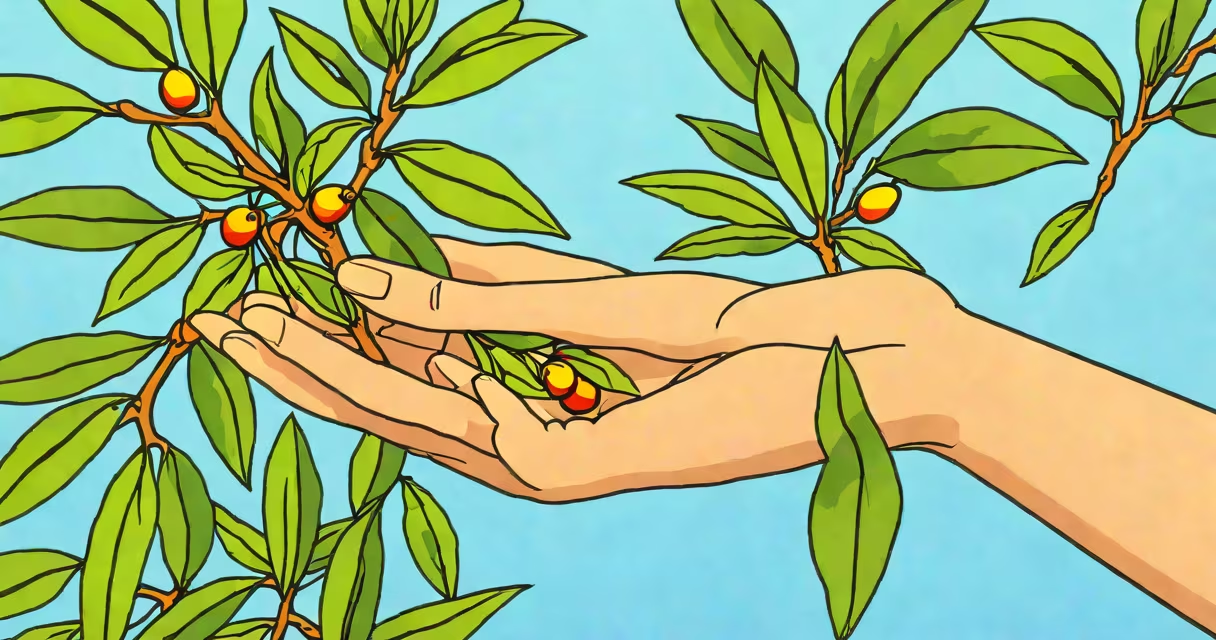
The olive branch is the most enduring and universally recognized symbol of peace, representing reconciliation, harmony, and nonviolence across cultures and centuries. Its roots stretch back to ancient Greece, where it was awarded to victors in the Olympic Games and associated with wisdom and prosperity.
Originating in the Mediterranean region, the olive tree (Olea europaea) has long stood as a living emblem of peace. Ancient Greeks believed the goddess Athena gifted the first olive tree to Athens, symbolizing both peace and victory. The olive branch became a diplomatic tool in Roman times and remains a central motif in international relations today.
Modern usage includes the United Nations emblem, which features a world map surrounded by olive branches. The symbol appears in treaties, peace negotiations, and humanitarian efforts worldwide. In homes and gardens, the olive tree is planted not just for fruit, but as a quiet reminder of balance and calm.
How the Olive Branch Became a Global Peace Symbol
Historical records show that olive branches were used in ancient Mesopotamian and Hebrew texts as signs of reconciliation. In the Bible, Noah sends out a dove that returns with an olive leaf, signaling the end of the flood and the restoration of peace on Earth. This moment solidified the plant's role as a harbinger of peace in Western religious tradition.
By the 5th century BCE, Greek city-states used olive wreaths during ceremonies to honor peacekeepers and athletes. The Romans adopted the symbol during diplomatic exchanges, often sending olive branches to signify intent to negotiate rather than fight. The practice continued through the Middle Ages and into the 20th century.
Today, the olive branch appears in national emblems, protest art, and even corporate logos. The World Peace Council uses it in campaigns promoting disarmament. The European Union's flag features olive branches beneath the stars, reinforcing peace as a foundational value.
Types of Plants Associated with Peace and Their Differences
While the olive branch is the most prominent peace symbol, other plants are linked to tranquility and emotional well-being. These differ in cultural origin, physical form, and intended use.
| Plant | Symbolic Meaning | Cultural Origin | Common Use |
|---|---|---|---|
| Olive branch | Peace, reconciliation, victory | Mediterranean (Greek, Roman, Biblical) | Diplomacy, art, home decor |
| Lavender | Calming, mental clarity | Europe, North Africa | Aromatherapy, sleep aids, garden borders |
| Peace lily (Spathiphyllum) | Harmony, purity | Tropical Americas | Indoor air purification, meditation spaces |
| Lotus flower | Enlightenment, rebirth | South Asia, Egypt | Religious iconography, spiritual retreats |
Despite shared themes of serenity, each plant operates differently. The olive branch is a political and historical symbol, while lavender and peace lilies are used in personal wellness settings. The lotus, though spiritually significant, is not typically used in formal peace agreements.
A common mistake is equating the peace lily with the olive branch due to their similar names. The peace lily is a tropical houseplant known for filtering indoor pollutants, not for symbolic diplomacy. It grows best indoors with indirect light and regular watering-ideal for bedrooms or offices seeking calm.
Where and Why the Olive Tree Is Used Today
Urban planners incorporate olive trees into public parks and memorial gardens. In cities like Rome, Barcelona, and Jerusalem, groves of olive trees mark sites of historical peace talks. The UN headquarters in New York features a living olive tree in its courtyard, planted by a delegation from Greece in 1955.
Homeowners choose olive trees for patios and courtyards for their low maintenance. They thrive in dry climates, require minimal pruning, and can live over 1,000 years. A mature olive tree produces fruit annually, yielding oil used in cooking and skincare.
I once visited a community garden in Crete where residents planted olive saplings around a central fountain. Each tree bore a plaque with a name and a message of forgiveness. One read: "For my brother, who left without saying goodbye." The act transformed grief into collective healing-proof that a single plant can carry deep emotional weight.
Common Misconceptions and Clarifications
Many assume the olive branch symbolizes passive surrender. That's incorrect. In ancient Greece, it represented strength achieved through negotiation, not weakness. Victory was celebrated with olive wreaths, not surrender flags.
Another error is thinking all green leaves represent peace. While many plants are associated with nature and renewal, only specific species have documented roles in peace rituals. For example, the cherry blossom in Japan symbolizes fleeting beauty and remembrance-not peace in the diplomatic sense.
There's also confusion between the olive tree and the olive branch. The tree is the source, but the branch is the symbol. A single twig, stripped of leaves and bark, becomes a portable emblem. Historically, such branches were carried by messengers to announce peaceful intentions.
According to the Encyclopaedia Britannica, the olive branch's use in diplomacy dates back to the 6th century BCE among Ionian Greeks. The Oxford Classical Dictionary confirms its presence in Homeric epics as a sign of truce. These sources validate the olive branch's legitimacy as a peace symbol, not a modern invention.
Final Thoughts
The olive branch remains the definitive plant representing peace. Its use spans millennia and continents, grounded in history, religion, and international law. Whether carved into a treaty seal or placed on a windowsill for quiet reflection, it carries a message of hope and unity.
Understanding what plant represents peace requires recognizing context. The olive tree is not just a botanical specimen-it's a cultural artifact. When you see an olive branch, you're seeing a legacy of dialogue, not just a leafy twig.