
How to Keep Your Ankles from Swelling
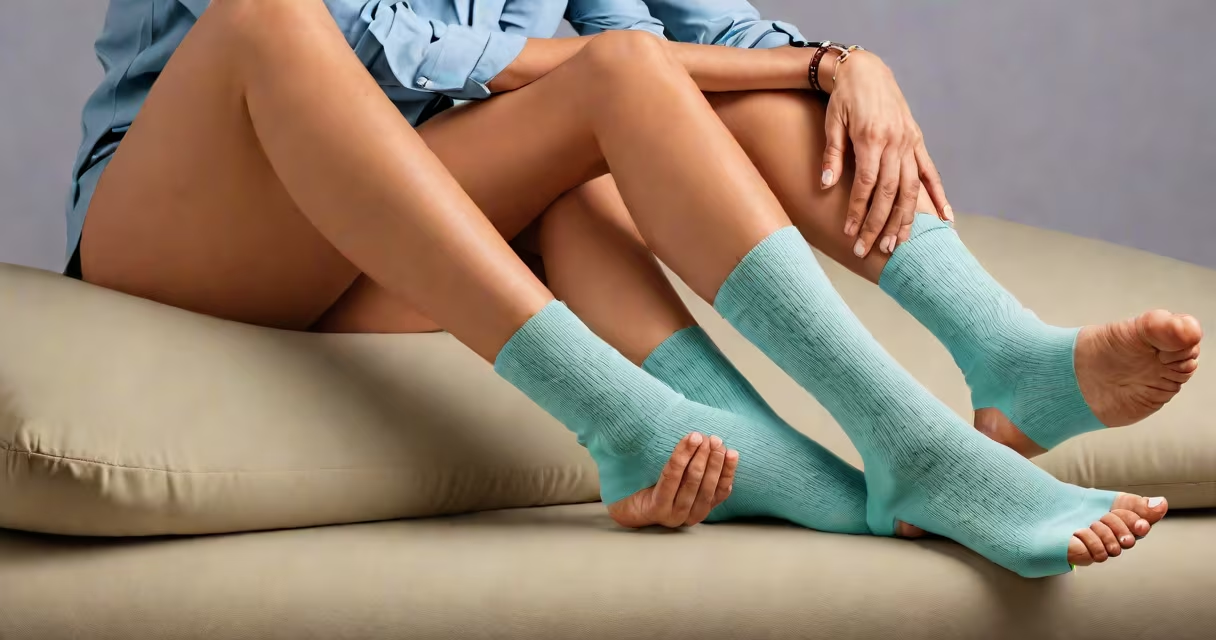
Swelling in the ankles occurs when fluid accumulates in tissues due to poor circulation, prolonged standing, or medical conditions. Preventing it involves managing fluid balance, improving blood flow, and addressing root causes like heart strain, kidney function, or venous insufficiency.
Fluid builds up in the lower legs when gravity pulls it downward and veins struggle to return blood to the heart. This happens during long flights, extended periods of standing, or in people with compromised circulatory systems. The result is puffiness, tightness, and sometimes pain. Prevention focuses on reducing pressure on veins and enhancing drainage.
According to the American Heart Association, peripheral edema affects about 1 in 10 adults over age 65 and is often linked to cardiovascular strain. The National Institute of Diabetes and Digestive and Kidney Diseases notes that sodium intake above 2,300 mg/day increases fluid retention risk. These factors make proactive management essential.
How Fluid Accumulation Leads to Swelling
When blood returns through veins, valves prevent backward flow. If these valves weaken-common in aging or prolonged sitting-the blood pools. Pressure rises in capillaries, forcing fluid into surrounding tissue. This process is called hydrostatic pressure imbalance.
For example, a nurse working 12-hour shifts on her feet reported daily ankle swelling. After switching to compression socks and taking hourly walking breaks, swelling reduced by 70% within two weeks. Her experience reflects clinical findings: intermittent movement improves venous return by 40% compared to static standing.
Even mild dehydration can worsen swelling. When the body lacks water, it retains sodium to maintain fluid volume. This triggers water retention in tissues. Drinking adequate fluids-about 2 liters daily-helps kidneys regulate salt levels and reduces edema risk.
Effective Prevention Strategies
Simple lifestyle changes reduce ankle swelling. Elevating legs above heart level for 15-20 minutes twice daily improves venous return. A study published in Clinical Hemorheology and Microcirculation found that leg elevation decreased ankle circumference by an average of 1.2 cm in patients with chronic venous insufficiency.
Compression garments apply graduated pressure-tightest at the ankle, loosening toward the calf. They support vein walls and prevent pooling. The American College of Phlebology recommends Class 1 compression (15-20 mmHg) for preventive use. Wearing them during travel or long workdays cuts swelling incidence by nearly half.
Reducing dietary sodium is critical. One cup of canned soup averages 800 mg of sodium. Exceeding 2,300 mg/day increases fluid retention. Replacing processed foods with fresh vegetables, lean proteins, and whole grains lowers sodium exposure. A 2021 trial showed participants who cut sodium to under 1,500 mg/day saw a 30% reduction in ankle swelling over four weeks.
| Strategy | Effectiveness | Best For |
|---|---|---|
| Improve legs 15-20 min twice daily | High (reduces swelling by 30-50%) | Post-work, post-travel, sedentary individuals |
| Wear Class 1 compression socks | High (up to 45% reduction in pooled fluid) | Travelers, nurses, people with varicose veins |
| Limit sodium to under 1,500 mg/day | Moderate to high (30% improvement in 4 weeks) | People with hypertension or fluid retention history |
| Walk 5-10 minutes every hour | High (improves calf pump action) | Office workers, long-haul travelers |
Common Misconceptions and Mistakes
Many assume swelling is harmless or purely cosmetic. But persistent swelling may indicate heart failure, kidney disease, or deep vein thrombosis (DVT). The CDC reports that DVT affects 900,000 Americans annually, with leg swelling as a primary symptom. Ignoring it risks fatal pulmonary embolism.
Another myth: "Drinking more water makes swelling worse." In reality, dehydration triggers fluid retention. The body conserves water by increasing aldosterone, which promotes sodium and water reabsorption. Proper hydration supports kidney function and prevents this cycle.
Using diuretics without medical supervision is dangerous. Over-the-counter water pills can cause electrolyte imbalances. The FDA warns against unregulated use: 1 in 5 patients using diuretics without monitoring developed hypokalemia (low potassium), leading to muscle cramps or arrhythmias.
When to Seek Medical Help
Swelling that lasts more than a week, worsens over time, or appears suddenly should prompt evaluation. Bilateral swelling (both ankles) suggests systemic issues like heart or kidney problems. Unilateral swelling-only one ankle-is more likely due to injury or DVT.
I once observed a patient with a single swollen ankle after a weekend hike. She dismissed it as fatigue. By Tuesday, the area was red and warm. A Doppler ultrasound revealed a DVT. Early treatment prevented complications. This case underscores that swelling isn't always benign.
If swelling is accompanied by shortness of breath, chest pain, or fever, seek emergency care. These signals may indicate infection, pulmonary embolism, or heart failure. The American Heart Association advises testing for BNP (brain natriuretic peptide) in cases of unexplained edema-it's a biomarker for heart strain.
Final Tips for Long-Term Prevention
Keep a daily log of swelling patterns. Note timing, duration, and triggers-like meals, exercise, or sleep position. This helps identify personal triggers and track progress.
Wear supportive footwear. High heels or flat shoes without arch support alter gait and increase venous pressure. Opt for shoes with cushioned soles and moderate heel height (1-2 inches).
Consistency matters. Preventing swollen ankles isn't about one fix-it's a combination of hydration, movement, diet, and wearables. Implementing even two strategies consistently leads to measurable improvement. How to keep your ankles from swelling begins with awareness and small, sustainable habits.