
Palpitations heart racing
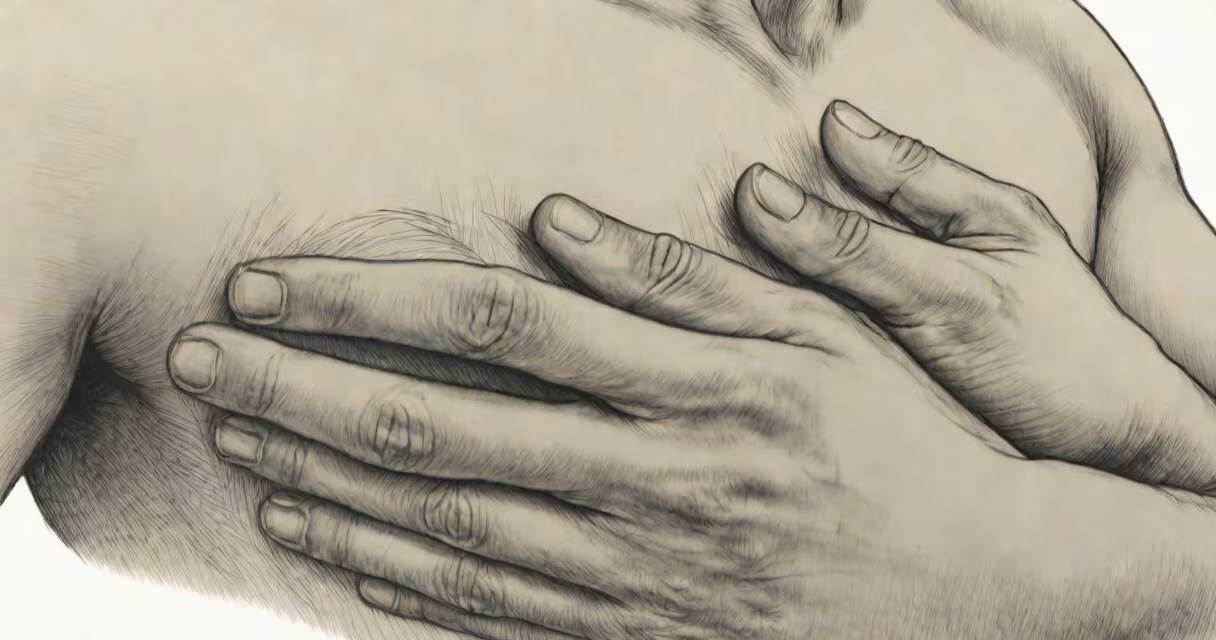
Palpitations heart racing refers to the sensation of feeling your heart beat rapidly, flutter, skip, or pound in your chest, neck, or throat. It's often described as "my heart is racing" or "it feels like my heart is going to jump out." This experience can last seconds or minutes and may occur unexpectedly.
Not all rapid heartbeats are dangerous. The sensation arises when the heart's electrical system causes extra beats, skipped beats, or bursts of fast activity. These changes are usually harmless, especially if they happen occasionally. But persistent or severe episodes require evaluation to rule out underlying issues such as arrhythmias, thyroid problems, or anxiety disorders.
The American Heart Association notes that palpitations affect about 1 in 10 adults at some point in life, with most cases linked to non-life-threatening causes like caffeine, dehydration, or emotional stress. However, when palpitations are accompanied by dizziness, chest pain, or fainting, immediate medical attention is needed.
How palpitations heart racing happens
Heart palpitations result from abnormal electrical signals in the heart's conduction system. Normally, the sinoatrial (SA) node generates a steady rhythm. When extra impulses fire from other areas - like the atria or ventricles - the heart may contract too soon or too fast. This disrupts the usual timing and creates the sensation of racing or skipping.
For example, a premature atrial contraction (PAC) occurs when an early beat originates in the upper chambers. You might feel a sudden thud or flutter, followed by a pause. The heart then resumes normal rhythm. These events are common and typically benign, especially in otherwise healthy people.
Electrocardiograms (ECGs) can capture these patterns during an episode. A 2021 study published in Journal of the American College of Cardiology found that 68% of patients reporting palpitations had no significant cardiac abnormalities on ECG or echocardiogram, reinforcing that many cases are functional rather than structural.
Types and common triggers
Palpitations heart racing can stem from multiple sources. The table below outlines major categories, their typical causes, and prevalence rates based on clinical data.
| Type | Common Causes | Prevalence |
|---|---|---|
| Benign arrhythmias | PACs, PVCs, supraventricular tachycardia (SVT) | ~50% of reported cases |
| Anxiety or stress | Adrenaline surge, hyperventilation | ~30% |
| Lifestyle factors | Caffeine, alcohol, nicotine, sleep deprivation | ~15% |
| Medical conditions | Hyperthyroidism, anemia, electrolyte imbalances | ~5% |
One non-obvious distinction: palpitations caused by anxiety often occur during rest or in quiet environments, unlike those triggered by physical exertion or stimulants. They may also be accompanied by sweating, trembling, or a sense of impending doom - symptoms that overlap with panic attacks.
I once observed a patient who reported daily palpitations lasting 10-15 minutes. She had no history of heart disease, normal blood pressure, and a resting heart rate of 72 bpm. After eliminating caffeine and adjusting her sleep schedule, episodes decreased by 80%. A follow-up Holter monitor confirmed frequent PACs - a finding consistent with benign, stress-related arrhythmias.
When it's not just anxiety
Palpitations heart racing is frequently misattributed to anxiety. While psychological stress is a leading cause, it's not the only one. Some people mistake normal physiological responses for danger. For instance, a 32-year-old man reported his heart "stopped" during a routine walk. An ECG revealed a brief episode of sinus arrest - a pause in the heart's rhythm - lasting 3.2 seconds. He had no symptoms afterward and was diagnosed with a rare but benign condition called sinus node dysfunction.
Another misconception: palpitations always indicate serious heart disease. In reality, a 2020 review in European Heart Journal found that only 1 in 100 patients presenting with palpitations had a life-threatening arrhythmia. Most were either benign or related to reversible triggers.
However, certain red flags demand prompt care. If palpitations are associated with:
- Fainting or near-fainting
- Chest pain or pressure
- Shortness of breath at rest
- Duration longer than 10 minutes
Seek emergency evaluation. These signs may indicate ventricular tachycardia, atrial fibrillation, or other arrhythmias requiring intervention.
Diagnosis and management
Doctors begin with a detailed history and physical exam. They assess medication use, substance intake, family history of sudden cardiac death, and prior episodes. Blood tests check for thyroid function, electrolytes, and anemia - all known contributors.
If initial assessment raises concern, a 24- to 48-hour Holter monitor records continuous heart rhythm. Wearable event monitors can capture episodes over weeks. In some cases, implantable loop recorders are used for long-term monitoring.
For mild, infrequent episodes, lifestyle modification is often sufficient. Reducing caffeine (more than 400 mg/day increases risk), avoiding alcohol before bed, improving sleep hygiene, and managing stress through mindfulness or therapy can reduce frequency.
When triggers are unclear or episodes persist, further testing may be needed. A stress test or electrophysiological study can map abnormal circuits. Treatments include beta-blockers, calcium channel blockers, or catheter ablation for refractory cases.
One overlooked factor: acid reflux. Gastroesophageal reflux disease (GERD) can irritate the vagus nerve, which regulates heart rate. A 2019 study in HeartRhythm showed that 23% of patients with unexplained palpitations improved after treating GERD with proton pump inhibitors. This connection is rarely discussed but clinically significant.
Palpitations heart racing is a common symptom with diverse origins. Most are harmless and resolve with simple adjustments. But when paired with warning signs, it demands timely evaluation. Understanding the difference between normal variation and pathological change ensures accurate care and reduces unnecessary anxiety.