
Should I Invest in Rivian?
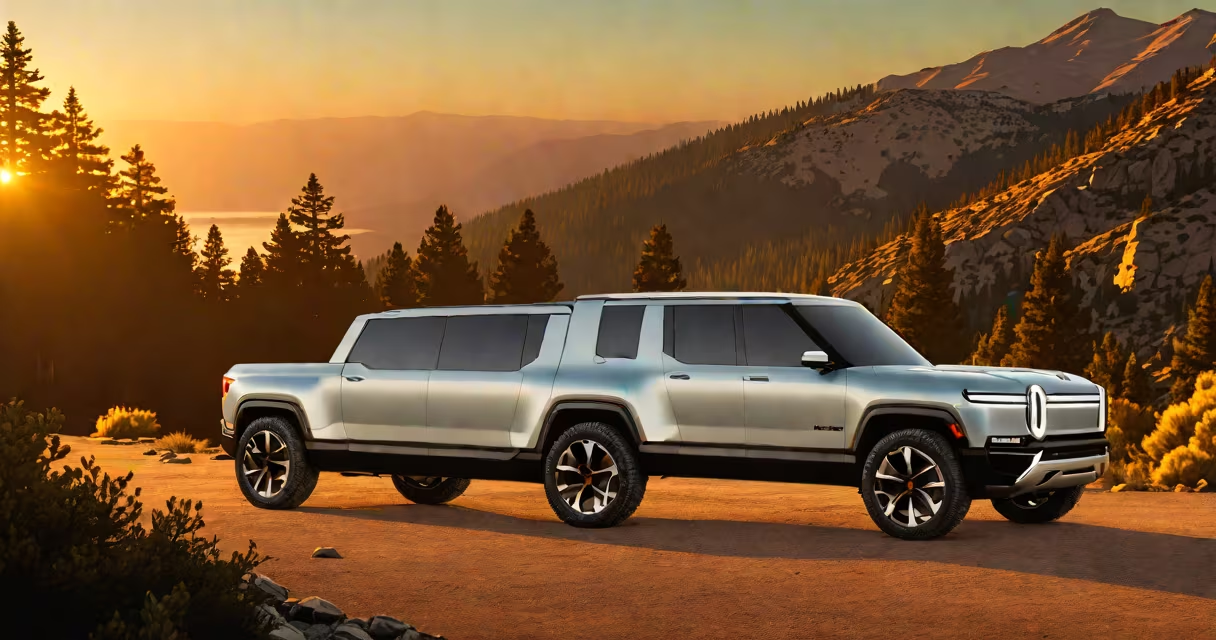
Rivian (RIVN) is an American electric vehicle manufacturer founded in 2009, known for its R1T pickup and R1S SUV. The company went public in November 2021 via a direct listing, raising $850 million. Since then, its stock has fluctuated widely due to production delays, rising competition, and macroeconomic pressures. Whether you should invest depends on your risk tolerance, time horizon, and belief in long-term EV adoption.
Rivian operates on a vertically integrated model. It designs and manufactures its own battery packs, motors, and software. The company's flagship products-the R1T and R1S-are built on a custom skateboard platform that supports high ground clearance, off-road capability, and modular battery configurations. Rivian also supplies electric delivery vans to Amazon under a $700 million contract, which provides early revenue and operational scale.
As of Q1 2024, Rivian reported a net loss of $649 million on $1.2 billion in revenue. Its gross margin was negative 13%, meaning it lost money on every vehicle sold. The company has raised over $10 billion in capital since inception, including funding from Amazon, Ford, and institutional investors. Despite this, Rivian remains unprofitable and relies heavily on new equity issuance to fund operations.
How Rivian Works and What It Makes
Rivian's core product line consists of two models: the R1T, a battery-electric pickup truck with a 400-mile range, and the R1S, a seven-seat SUV with similar performance specs. Both vehicles feature dual-motor all-wheel drive, adaptive suspension, and proprietary "Adventure Mode" for off-roading. The company markets them as premium, tech-forward alternatives to traditional trucks and SUVs.
Beyond consumer vehicles, Rivian produces electric delivery vans for Amazon under a multi-year agreement. As of early 2024, over 10,000 vans were deployed in U.S. cities. These vans generate recurring revenue and serve as a testbed for fleet management software. Rivian also plans to launch a commercial van for other logistics firms, though no timeline has been announced.
A key differentiator is Rivian's focus on outdoor lifestyle integration. The R1T includes features like a built-in cooler, rooftop tent compatibility, and a 110V power outlet. These features appeal to adventure-oriented buyers who prioritize utility and off-grid capability over pure speed or luxury.
| Model | Starting Price (2024) | Range (EPA) | Production Status |
|---|---|---|---|
| R1T Pickup | $72,500 | 400 miles | Active |
| R1S SUV | $78,500 | 320 miles | Active |
| Amazon Delivery Van | N/A (contract-based) | 150 miles | Deployed at scale |
Why Investors Consider Rivian
Supporters argue Rivian represents a rare opportunity to invest in a company building both a consumer brand and a commercial infrastructure for electric mobility. Unlike legacy automakers, Rivian has no history of internal combustion engines, allowing it to design from the ground up for electrification. Its partnership with Amazon gives it access to a vast distribution network and early volume commitments.
Analysts at Morgan Stanley noted in a March 2024 report that Rivian's ability to integrate hardware, software, and service delivery positions it uniquely in the EV space. They projected that if Rivian achieves 10% of the U.S. electric pickup market by 2030, it could reach $100 billion in annual revenue. However, this scenario assumes sustained growth in EV adoption and successful scaling of manufacturing.
One non-obvious fact often missed: Rivian's production capacity is limited. As of Q1 2024, the company produced around 1,500 vehicles per month at its Normal, Illinois plant. To meet demand, Rivian has delayed deliveries and implemented a reservation system. This constraint affects revenue predictability and investor confidence, especially compared to Tesla, which produced over 2 million vehicles globally in 2023.
Common Misconceptions and Risks
Rivian is frequently compared to Tesla, but the companies differ. Tesla has achieved mass production, global sales, and consistent profitability. Rivian has not. While Tesla sells over 1 million vehicles annually, Rivian sold approximately 15,000 units in 2023. This gap makes Rivian's business model far more vulnerable to supply chain disruptions, interest rate hikes, and shifts in consumer sentiment.
Another misconception is that Rivian's Amazon deal guarantees long-term success. The contract covers 10,000 vans through 2025, but Amazon has the right to cancel or reduce orders. In 2023, Amazon delayed 2,000 van deliveries due to battery shortages. Rivian's reliance on a single corporate client introduces concentration risk that could impact margins and cash flow.
Market volatility also plays a role. Rivian's stock dropped 75% from its 2021 peak to late 2023, reflecting concerns about burn rate and execution. The company's valuation fell below $20 billion despite a $10 billion war chest. This suggests investors are pricing in prolonged losses and uncertain timelines to profitability.
Real-World Example: A 3-Year Investment Scenario
Consider an investor who bought 100 shares of Rivian at $100 per share in January 2022. That's $10,000 invested. By December 2024, the stock price had fallen to $45. The portfolio is now worth $4,500-a 55% loss. Even if the company reaches breakeven in 2026 and stock rebounds to $120, the investor would still be down 10% over three years.
Compare this to investing in a diversified ETF like VTI, which tracks the S&P 500. Over the same period, VTI returned 18% compounded annually. A $10,000 investment in VTI would grow to $16,000. This illustrates how speculative stocks like Rivian carry higher risk than broad-market exposure.
Still, some investors hold Rivian for long-term conviction. One such investor, a mechanical engineer based in Colorado, purchased 500 shares in 2022 after testing an R1T on a cross-country trip. He cited the vehicle's off-road performance and quiet cabin as reasons for his belief in the brand. He has not sold, citing alignment with sustainable transportation goals.
Final Assessment: Should You Invest?
Investing in Rivian requires accepting high volatility, unproven unit economics, and a long path to profitability. The company has innovation and vision, but it lacks the scale and consistency of established players. If you're comfortable with a high-risk, long-term bet on EV infrastructure and have a diversified portfolio, Rivian may fit as a small allocation.
Whether you should invest in Rivian depends on your personal risk profile. The company's ambition is undeniable, but its financial reality remains fragile. Use real data-not hype-to make your decision.