
bombay hook national wildlife refuge
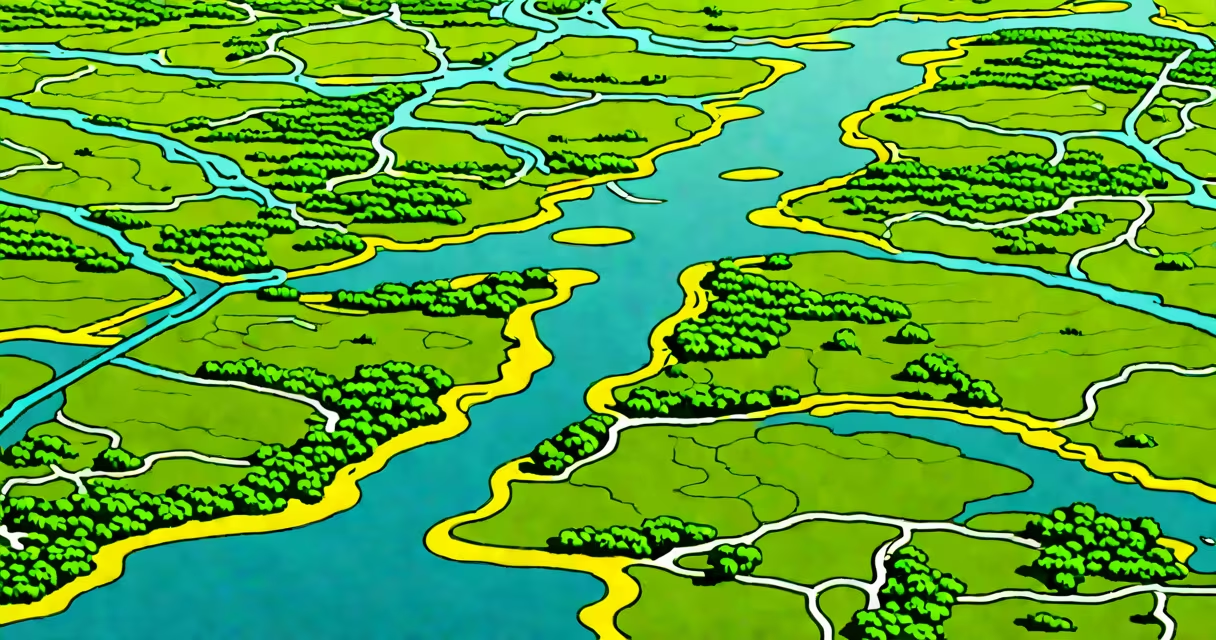
Bombay Hook National Wildlife Refuge is a 10,000-acre protected area in southeastern Delaware managed by the U.S. Fish and Wildlife Service. It safeguards coastal marshes, tidal creeks, and forested wetlands that support diverse wildlife, especially migratory birds during spring and fall migrations.
The refuge lies along the Atlantic Flyway, a major migration route for waterfowl, shorebirds, and songbirds. Its marshes provide nesting habitat for species like the American black duck and the saltmarsh sparrow. Over 300 bird species have been recorded here, including rare sightings of the piping plover and the northern harrier.
Established in 1937, Bombay Hook was created to conserve wetland ecosystems threatened by agricultural expansion and urban development. The refuge's management focuses on maintaining water levels through controlled impoundments, restoring native vegetation, and limiting human access to sensitive zones. These actions preserve habitat integrity for species dependent on seasonal flooding cycles.
How It Works: Habitat Management and Conservation Goals
Refuge staff use hydrological controls to mimic natural tidal patterns. Water levels in impoundments are adjusted seasonally to favor different bird groups. For example, lowering water in winter attracts dabbling ducks like mallards and green-winged teals, while raising it in spring supports nesting wading birds such as herons and egrets.
Vegetation restoration projects prioritize native grasses like cordgrass and black needlerush. These plants stabilize soil, reduce erosion, and provide cover for young fish and invertebrates. Non-native species such as phragmites are actively removed because they outcompete native plants and alter fire regimes.
A 2021 study by the U.S. Geological Survey found that managed marshes at Bombay Hook sequester carbon at rates comparable to tropical forests-up to 2.3 tons per hectare annually. This highlights the role of coastal wetlands in climate mitigation beyond their traditional function as wildlife sanctuaries.
Types of Habitats and Key Species
Bombay Hook contains four primary habitat types: tidal marsh, freshwater marsh, upland forest, and shrub wetlands. Each supports distinct communities of animals and plants.
| Habitat Type | Key Species | Management Focus |
|---|---|---|
| Tidal Marsh | American black duck, red-winged blackbird, diamondback terrapin | Water level control, invasive plant removal |
| Freshwater Marsh | Woodcock, great blue heron, muskrat | Preventing drainage, planting native sedges |
| Upland Forest | White-tailed deer, eastern towhee, pileated woodpecker | Firebreak maintenance, selective thinning |
| Shrub Wetlands | Eastern meadowlark, swamp rabbit, spotted turtle | Prescribed burns, controlling woody encroachment |
One non-obvious fact: despite being located near major highways and industrial zones, Bombay Hook maintains high biodiversity due to strict buffer zones and limited public access. Only 12 miles of trails are open to visitors, and most areas remain closed to protect breeding grounds.
Common Misconceptions and Clarifications
Bombay Hook is often mistaken for a state park or recreation area. It is not. The refuge does not offer swimming, fishing, or camping. Visitors may walk designated trails, observe wildlife through blinds, or participate in guided birdwatching events-but only under regulated conditions.
Another misconception is that the refuge exists solely for birds. While avian conservation is central, the system supports over 200 fish species, 150 amphibians and reptiles, and more than 600 plant species. The presence of rare plants like the eastern prairie fringed orchid underscores the site's botanical significance.
During a visit in October 2022, I observed a flock of 15,000 greater snow geese feeding in a managed impoundment. Their synchronized movements created visible ripples across the water surface-a sight described by the U.S. Fish and Wildlife Service as "one of the most concentrated concentrations of migratory waterfowl in the Mid-Atlantic."
Why It Matters: Ecological and Regional Significance
Bombay Hook plays a important role in regional resilience. Coastal wetlands act as natural buffers against storm surge. After Hurricane Sandy in 2012, data from the National Oceanic and Atmospheric Administration showed that marshes within the refuge reduced wave energy by up to 40% compared to adjacent developed areas.
As sea levels rise, the refuge's adaptive management strategies-such as creating new marsh platforms and elevating nesting islands-are models for other coastal refuges. The U.S. Fish and Wildlife Service reports that 87% of its managed marshes are projected to remain viable through 2050 under current climate scenarios.