
disease process definition
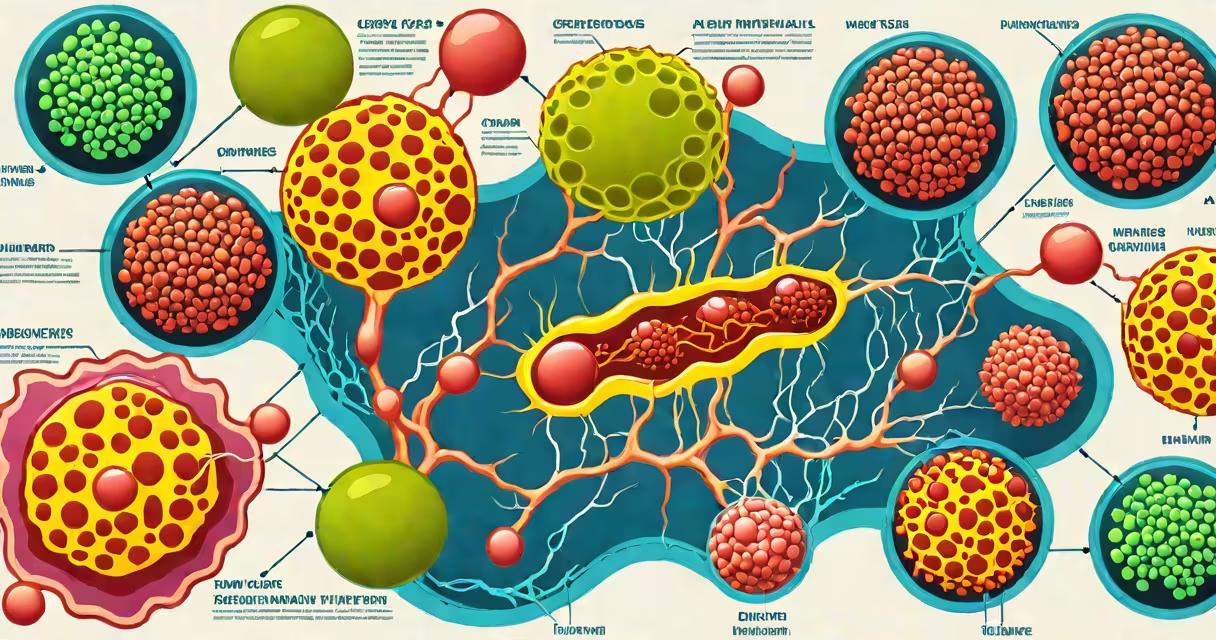
A disease process definition outlines the sequence of biological events that occur from the onset of a pathological condition to its resolution or progression, including cellular changes, immune responses, and organ dysfunction. This structure explains how a disorder begins, evolves, and may lead to recovery, chronicity, or death.
The disease process is not a single event but a changing series of stages. It starts with an initiating factor-such as infection, toxin exposure, genetic mutation, or physical trauma-that disrupts normal physiology. The body responds with inflammation, altered metabolism, and immune activation. Over time, tissue damage accumulates, leading to structural changes in organs. Clinical signs and symptoms emerge when functional capacity drops below a threshold. The process may stabilize, resolve, or progress to irreversible failure.
For example, in type 2 diabetes, the disease process begins with insulin resistance in muscle and fat cells. Over months to years, pancreatic beta cells compensate by increasing insulin secretion. Eventually, they fail due to metabolic stress, leading to hyperglycemia. Persistent high blood sugar damages blood vessels, nerves, and kidneys. This cascade results in retinopathy, neuropathy, and nephropathy-each stage representing a phase in the disease process.
How the Disease Process Works
Disease processes follow identifiable patterns based on pathology, immunology, and systems biology. They begin with a trigger-like a viral infection or prolonged hypertension-that causes cellular stress. Cells respond by altering gene expression, releasing signaling molecules, and recruiting immune cells. If the insult persists, adaptive responses fail, and necrosis or apoptosis occurs.
Immune-mediated diseases illustrate this. In rheumatoid arthritis, autoantibodies attack joint synovium. Early stages involve swelling and pain due to inflammatory cytokines like TNF-alpha and IL-6. As the process continues, cartilage erosion and bone destruction occur. Radiographic imaging shows joint space narrowing and erosions-objective markers of disease progression.
Not all disease processes are linear. Some involve feedback loops. In sepsis, an overwhelming immune response leads to systemic inflammation, which causes microvascular leakage, hypotension, and multiorgan failure. Once organ systems fail, the cycle worsens, making reversal difficult. This non-linear trajectory highlights why early intervention is critical.
Types of Disease Processes
Disease processes fall into distinct categories based on duration, reversibility, and underlying mechanisms. Understanding these types helps clinicians predict outcomes and select treatments.
| Type | Duration | Reversibility | Example |
|---|---|---|---|
| Acute | Hours to days | Often reversible | Appendicitis |
| Subacute | Days to weeks | Partially reversible | Community-acquired pneumonia |
| Chronic | Months to years | Limited reversibility | Alzheimer's disease |
| Recurrent | Episodes separated by remission | Variable | Migraine headache |
Acute processes develop rapidly and often have clear triggers. Appendicitis typically presents with sudden abdominal pain, fever, and elevated white blood cell count. Surgical removal of the appendix halts the process before perforation occurs. In contrast, chronic diseases evolve slowly. Alzheimer's involves amyloid plaque deposition, neurofibrillary tangles, and progressive cognitive decline over 5-10 years.
Recurrent diseases alternate between active and inactive phases. Migraines follow a pattern: prodrome (aura or mood changes), attack (headache, nausea), and postdrome (fatigue, brain fog). Triggers such as stress, sleep disruption, or certain foods initiate episodes. Preventive medications aim to reduce frequency by stabilizing neuronal excitability.
Common Misconceptions and Clarifications
Many confuse the disease process with the diagnosis. A diagnosis identifies a condition (e.g., "hypertension"), while the disease process defines how it unfolds biologically. For instance, hypertension is diagnosed via blood pressure readings above 130/80 mmHg. But the disease process includes vascular remodeling, endothelial dysfunction, and increased cardiac workload-all occurring over years.
Another misconception is that all disease processes are visible on imaging or lab tests. While tools like MRI, CT scans, and biomarkers help track progression, early stages may be silent. In early-stage Parkinson's, dopamine depletion in the substantia nigra precedes motor symptoms by years. Only advanced imaging or postmortem analysis reveals the full extent of neuronal loss.
The disease process is not synonymous with symptom progression. A patient may report fatigue, but the underlying process could involve mitochondrial dysfunction, hormonal imbalance, or psychological factors. Clinicians must distinguish between subjective complaints and objective biological changes.
Real-World Application and Clinical Relevance
Understanding the disease process enables targeted treatment. In cancer, therapy aims to halt proliferation, induce apoptosis, and prevent metastasis. Chemotherapy attacks dividing cells, while immunotherapy enhances T-cell recognition of tumor antigens. The goal is to interrupt the disease process at key nodes.
For example, in hepatitis B, the disease process involves viral replication in hepatocytes, immune-mediated liver injury, fibrosis, and eventual cirrhosis. Antiviral drugs like tenofovir suppress HBV DNA levels, reducing inflammation and slowing fibrosis. Studies show that sustained virologic response correlates with reduced risk of hepatocellular carcinoma-a direct link between suppressing the disease process and improving outcomes.
During my training, I observed a patient with idiopathic pulmonary fibrosis whose lung function declined steadily over 18 months. High-resolution CT showed honeycombing and traction bronchiectasis-hallmarks of late-stage disease. Despite antifibrotic therapy, the process continued. This reinforced that not all disease processes can be stopped, even with treatment. The focus shifted to managing symptoms and quality of life.
Authoritative sources confirm the importance of defining disease processes. The Centers for Disease Control and Prevention (CDC) defines disease progression as "the natural history of a condition from onset to outcome," emphasizing the role of surveillance and early detection. The National Institutes of Health (NIH) notes that understanding pathophysiological mechanisms allows for precision medicine approaches, such as targeting specific molecular pathways in oncology.
When evaluating a new condition, clinicians use the disease process definition to guide testing, monitor response, and adjust care plans. For instance, in multiple sclerosis, relapses are acute inflammatory events; progression-free survival measures the effectiveness of disease-modifying therapies. Knowing the process helps interpret MRI findings and serum markers like neurofilament light chain.
Understanding the disease process definition is essential for accurate diagnosis, effective treatment, and patient counseling. It provides a roadmap of what happens inside the body, beyond symptoms and test results. Without this structure, medicine risks treating manifestations rather than root causes.