
Measure for a Bra Calculator
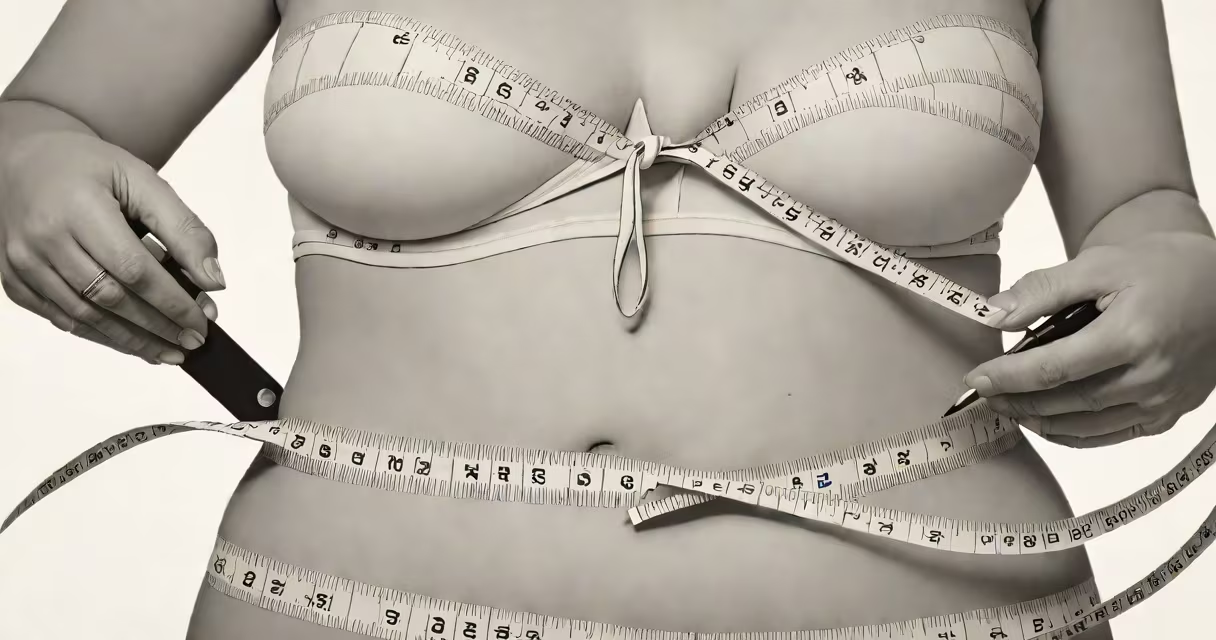
A measure for a bra calculator is the underbust and bust circumference taken with a flexible tape measure to determine correct bra size. These two numbers-underbust and bust-are input into a sizing algorithm to calculate band size and cup size. The process ensures a tailored fit based on anatomy, not guesswork.
Bra calculators rely on standardized sizing systems, primarily the US and UK methods. In the US system, band size is derived from the underbust measurement, rounded to the nearest even number. Cup size results from the difference between bust and underbust measurements. A 1-inch gap equals an A cup, 2 inches equals a B cup, and so on. For example, a 34-inch underbust and 36-inch bust yields a 34C.
Using accurate measures prevents common issues like band slippage, cup overflow, or inadequate support. According to the American Academy of Dermatology, ill-fitting bras contribute to shoulder pain, back strain, and poor posture. Proper sizing reduces these risks and improves daily comfort.
How the Measure Is Taken
To get a valid measure for a bra calculator, stand upright with arms relaxed at your sides. Wrap a soft measuring tape snugly around the ribcage, just below the breasts. Ensure the tape is level and parallel to the floor. Do not pull tight-just snug enough to avoid sagging.
Next, measure the bust at the fullest part, usually at the nipple line. Keep the tape horizontal and avoid compressing tissue. Take both measurements in a single breath cycle to prevent variation due to breathing.
For consistency, take measurements twice and average them. Use a mirror or ask someone to assist if accuracy is difficult. Even a half-inch error can shift band size by one full size, leading to poor fit.
What the Measure Is Made Of
The measure for a bra calculator consists of two distinct values: underbust and bust. Underbust is the baseline for band size. Bust determines cup size. Together, they form a pair of numbers that map to a specific bra size.
Band sizes typically start at 32 inches and increase in 2-inch increments (34, 36, etc.). Cup sizes progress alphabetically from A to DD and beyond, depending on the brand. Some brands extend to G or H for larger frames.
Not all brands follow the same sizing logic. For example, a 36B in one brand may differ from a 36B in another due to variations in cut and stretch. This is why using a calculator with multiple brand references improves accuracy.
Types of Bra Calculators and Their Differences
There are three main types of bra calculators: manual, online, and app-based. Manual calculators require users to input measurements themselves and apply formulas. Online tools automate the math and often display results in multiple sizing systems.
App-based calculators integrate with wearable devices or store past measurements. They offer personalized recommendations based on history and preferences. However, they require trust in data privacy and algorithm transparency.
| Type | Input Method | Output Format | Best For |
|---|---|---|---|
| Manual | Hand-measured values | Band size + cup size | Users who prefer control and don't want data tracking |
| Online | Form entry | Size chart + brand comparisons | Quick reference and cross-brand checks |
| App-based | Camera scan or manual input | Personalized size + style suggestions | Regular shoppers seeking consistency |
One non-obvious fact: many people assume their bra size stays constant. But breast volume changes with weight, pregnancy, menopause, and hormonal cycles. A study published in the Journal of Women's Health found that 60% of women needed a different bra size within 12 months of initial fitting.
Where and Why the Measure Is Used
The measure for a bra calculator is used during initial bra purchase, size adjustment after life events, and routine checkups. It's essential for athletic wear, maternity bras, and post-surgical garments where fit impacts function and recovery.
For example, a runner with a 32-inch underbust and 37-inch bust calculates to a 32D. Without proper measurement, she might choose a 34C, which offers less support and causes chafing during long runs. Accurate sizing reduces injury risk and enhances performance.
During my last visit to a specialty lingerie shop, I watched a consultant use a tape measure to confirm a client's underbust was 36 inches-not 34-and her bust was 40 inches. The resulting size was 36D, not 34DD. The client had worn the wrong size for years, blaming discomfort on poor quality. After switching, she reported immediate relief.
Common Confusions and Corrections
Many confuse the measure for a bra calculator with bra size charts alone. Charts list standard sizes but don't account for individual variation. A 36B on a chart doesn't guarantee a good fit-only actual measurement does.
Another mistake is measuring over clothing. Even thin layers add 0.5 to 1 inch, skewing results. Always measure directly on skin or over a thin, non-stretchy tank top.
Some believe band size should be tight. In reality, a properly fitted band should allow one finger to slide underneath. If you can't fit a finger in, the band is too small. If you can fit two fingers, it's too loose.
Final Notes
Accurate measurement is the foundation of effective bra sizing. Using a reliable measure for a bra calculator eliminates guesswork and leads to better comfort, support, and confidence. Always verify results across multiple brands and consider professional fittings annually.