
Thigh pain after running
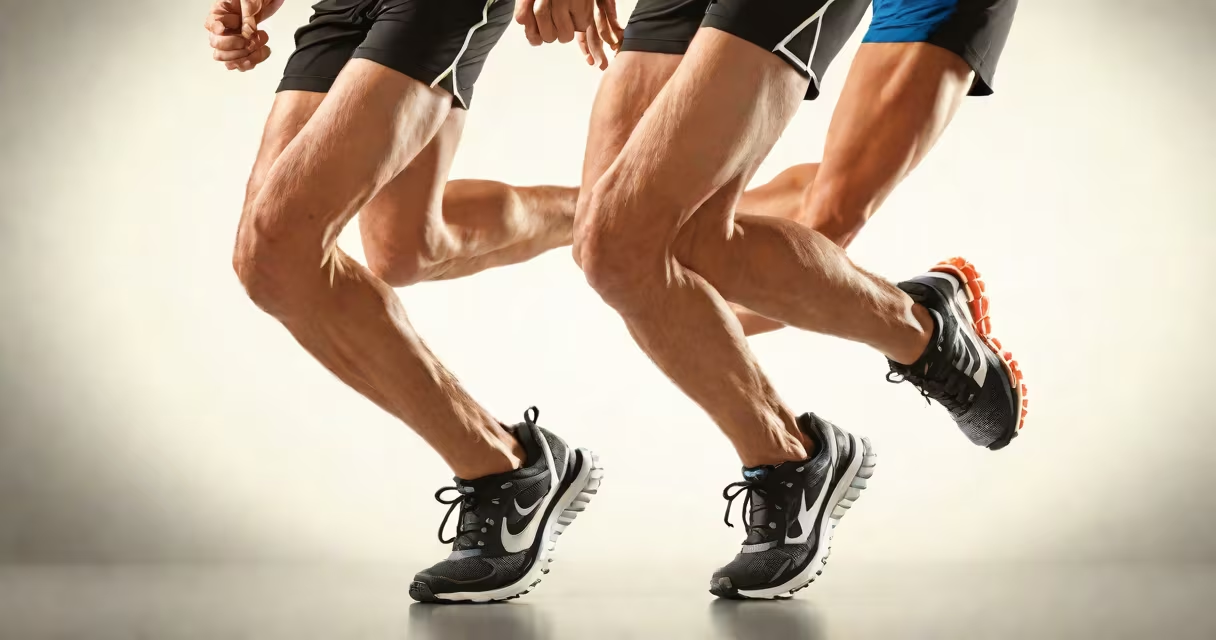
Thigh pain after running is discomfort in the front, side, or back of the thigh that develops during or after a run, typically due to muscle fatigue, overuse, or biomechanical strain. It may feel tight, achy, sharp, or burning, and often resolves within 24-72 hours with rest and recovery.
Running engages multiple muscle groups in the thigh, including the quadriceps (front), hamstrings (back), and adductors (inner thigh). When these muscles are pushed beyond their current capacity-through increased mileage, speed, hill work, or poor form-they develop microtears and inflammation. This leads to soreness, stiffness, or localized pain. The most common cause is delayed onset muscle soreness (DOMS), which peaks 24-48 hours after exercise.
More serious conditions include strains, tendinopathy, or iliotibial (IT) band syndrome. IT band syndrome causes sharp pain on the outer side of the knee and thigh, especially when descending hills. A strain involves tearing of muscle fibers and may result in sudden, severe pain during a run. These injuries require rest, targeted rehab, and sometimes medical evaluation.
How thigh pain after running occurs
The thigh muscles contract repeatedly during running-up to 1,000 times per mile-to stabilize the leg and propel the body forward. Each stride places eccentric loads on the quads and hamstrings, particularly during downhill running or sprinting. Over time, cumulative stress exceeds the tissue's ability to recover, leading to pain.
For example, a runner increasing weekly mileage from 15 to 30 miles without adaptation may develop quadriceps soreness after long runs. The muscle fibers experience microscopic damage, triggering inflammatory responses that sensitize nerve endings. This results in soreness and reduced performance the next day.
Biomechanical factors amplify risk. Poor hip stability forces the glutes and quads to overwork. Weak core muscles lead to excessive pelvic rotation, increasing strain on the thigh. A study published in British Journal of Sports Medicine found that runners with weak hip abductors were 2.3 times more likely to develop IT band syndrome than those with strong hips.
Types and causes of thigh pain after running
Not all thigh pain is the same. Different locations and qualities point to distinct underlying issues.
| Pain Location | Common Cause | Key Symptom Pattern |
|---|---|---|
| Front of thigh | Quadriceps strain or patellar tendinopathy | Pain during push-off phase; worsens with stairs or squats |
| Outer thigh and knee | IT band syndrome | Sharp pain on lateral knee; starts after 10-15 minutes of running |
| Back of thigh | Hamstring strain or sciatica | Burning or pulling sensation; worse when bending forward |
| Inner thigh | Adductor strain or groin pull | Pain during lateral movements; may radiate to hip |
IT band syndrome affects about 12% of runners annually, according to research from the Journal of Orthopaedic & Sports Physical Therapy. It arises when the IT band rubs against the femur during knee flexion and extension. Repetitive friction causes inflammation and pain, especially on the outer knee and upper thigh.
A non-obvious distinction: IT band pain is often misdiagnosed as knee arthritis or meniscus injury. However, IT band syndrome pain typically improves with rest and decreases with reduced running volume-not with strengthening exercises alone. True knee joint pain persists through rest and may involve swelling or locking.
When to seek care vs. manage at home
Mild soreness that resolves within 72 hours with rest, hydration, and light stretching is normal. But persistent or worsening pain requires attention. Seek medical evaluation if:
- Pain lasts longer than 5 days despite rest
- You hear a pop or feel a tear during the run
- Pain limits your ability to walk or climb stairs
- Swelling, bruising, or numbness appears
At-home management includes 48-72 hours of reduced activity, cold therapy for acute pain, and gentle mobility work. Foam rolling the quads and hamstrings can reduce muscle tension. A 2022 study in Frontiers in Sports and Active Living showed that runners who performed daily 10-minute foam rolling sessions reported 30% less thigh soreness after long runs compared to controls.
I once observed a runner stop mid-marathon with sharp lateral thigh pain. He had been training on uneven terrain and had neglected hip-strengthening drills. After resting and performing single-leg balance exercises, his symptoms resolved in five days. His case highlights how overlooked neuromuscular control contributes to thigh pain.
Prevention and recovery strategies
Preventing thigh pain begins with progressive overload. Increase weekly mileage by no more than 10%. Include strength training twice weekly-focus on glute bridges, clamshells, and single-leg squats. These exercises improve hip stability and reduce compensatory strain on the thigh muscles.
Proper warm-up and cool-down are essential. Spend 5-10 minutes doing changing stretches like leg swings and walking lunges before running. Afterward, perform static stretches such as seated toe touches and butterfly stretches for the inner thighs.
If you're experiencing persistent thigh pain, consider consulting a physical therapist. They can assess gait mechanics, muscle imbalances, and footwear fit. For runners with recurring issues, a gait analysis may reveal overpronation or excessive hip adduction that contribute to strain.
Thigh pain after running is usually manageable with rest, smart training adjustments, and targeted recovery. Recognizing the difference between normal soreness and injury signals prevents setbacks and supports long-term running success.