
Can Acid Reflux Cause Strep Throat?
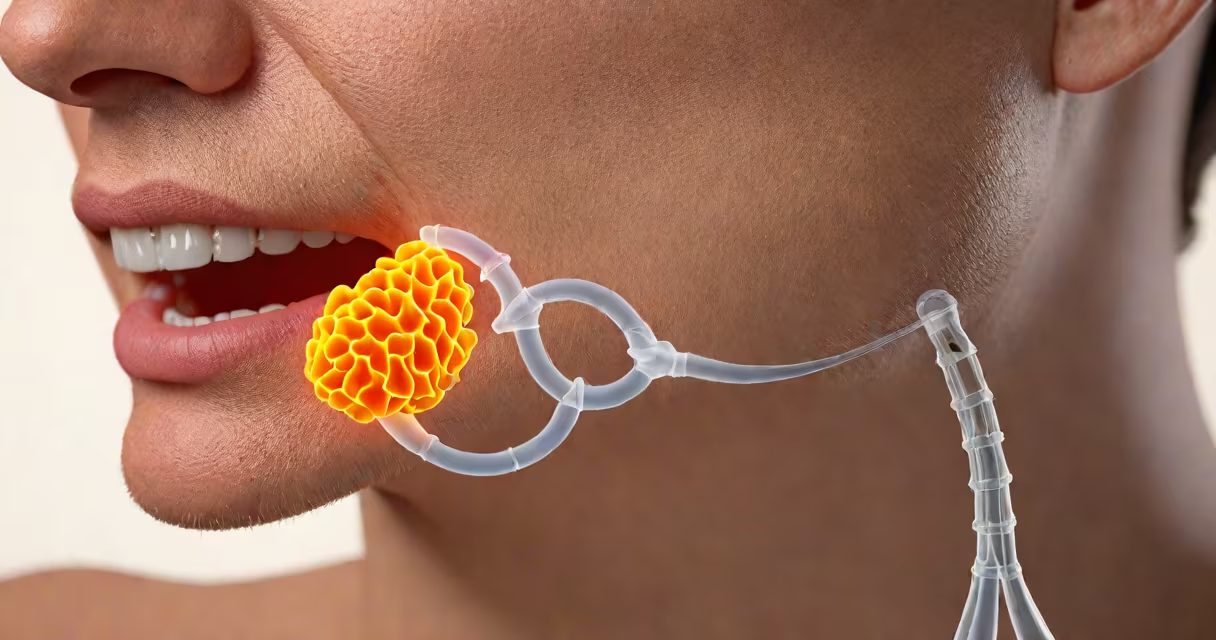
No, acid reflux cannot cause strep throat. Strep throat is a bacterial infection caused by group A Streptococcus (GAS), while acid reflux results from stomach acid flowing back into the esophagus and throat. The two conditions share overlapping symptoms-sore throat, difficulty swallowing, and hoarseness-but they stem from entirely different causes.
Strep throat requires treatment with antibiotics. Acid reflux is managed through lifestyle changes and medications that reduce or neutralize stomach acid. Confusing the two delays proper care and may lead to unnecessary antibiotic use.
How Acid Reflux Irritates the Throat
When stomach acid reaches the upper esophagus or larynx, it triggers inflammation. This condition is known as laryngopharyngeal reflux (LPR), a subset of gastroesophageal reflux disease (GERD). Unlike typical heartburn, LPR often presents without chest pain, focusing instead on throat symptoms.
Acid exposure damages the mucosal lining of the throat. Over time, this leads to swelling, redness, and chronic irritation. People with LPR frequently report a persistent sore throat, a sensation of a lump in the throat (globus sensation), frequent clearing of the throat, and voice changes.
A 2021 study published in Frontiers in Medicine found that 62% of patients presenting with chronic sore throat had evidence of reflux, even without classic heartburn. This shows that acid reflux is a common underlying factor in persistent throat issues-yet it's not infectious.
What Strep Throat Actually Is
Strep throat develops when group A Streptococcus bacteria infect the tonsils and pharynx. The infection spreads through respiratory droplets and typically affects children and young adults. Symptoms include sudden onset of severe sore throat, fever above 101°F (38.3°C), swollen lymph nodes, white patches on the tonsils, and absence of cough.
Diagnosis requires a rapid antigen test or throat culture. A positive result confirms strep. Treatment involves a 10-day course of penicillin or amoxicillin. Without antibiotics, complications such as rheumatic fever or post-streptococcal glomerulonephritis can occur.
According to the Centers for Disease Control and Prevention (CDC), approximately 10-20% of sore throats in children and 5-10% in adults are due to strep. These numbers emphasize that while strep is serious, it's less common than viral or reflux-related causes.
Why the Confusion Happens
Both conditions cause sore throat, fatigue, and trouble swallowing. Patients often assume "a bad throat" means infection. But acid reflux mimics strep in symptom presentation-especially when acid reaches the back of the throat during sleep or after meals.
One key difference lies in symptom timing. Strep throat usually flares suddenly over hours. Acid reflux symptoms tend to worsen after eating, lying down, or bending over. Morning hoarseness and post-nasal drip are more common with reflux than with strep.
Another distinction: strep throat rarely causes regurgitation or a sour taste in the mouth. Acid reflux often brings both. If a patient reports waking up with a bitter taste or frequent burping, reflux is more likely than infection.
Types of Throat Irritation and Their Causes
The table below outlines key differences between acid reflux and strep throat:
| Feature | Acid Reflux (LPR) | Strep Throat |
|---|---|---|
| Primary Cause | Stomach acid backing up into the throat | Bacterial infection (Group A Streptococcus) |
| Onset | Gradual, often triggered by food or posture | Sudden, within 1-2 days |
| Fever | Uncommon | Common (often >101°F/38.3°C) |
| Cough | Present in 40% of cases | Uncommon |
| White Patches | None | Present in ~70% |
| Treatment | Proton pump inhibitors, dietary changes, elevating the head of bed | Antibiotics (penicillin or amoxicillin) |
These distinctions help clinicians differentiate between the two. Misdiagnosis rates remain high-up to 30% in primary care settings-due to symptom overlap.
Real-World Example: A Patient Case
A 34-year-old teacher reported a sore throat lasting three weeks. She had no fever, no cough, but woke up with a hoarse voice and a constant need to clear her throat. She ate spicy foods daily and drank coffee in the morning.
Initial testing showed negative for strep. After a 2-week trial of omeprazole (a proton pump inhibitor), her symptoms improved by 80%. An ENT specialist confirmed LPR via endoscopy-red, swollen tissue in the posterior pharynx with no signs of infection.
This case illustrates how acid reflux can persistently mimic infection. The patient avoided unnecessary antibiotics and began effective management of reflux triggers.
Common Misconceptions and Corrections
One widespread error is assuming that any sore throat requiring treatment must be bacterial. This leads to overprescribing antibiotics. The American Academy of Otolaryngology-Head and Neck Surgery (AAO-HNS) warns against this practice, citing rising antibiotic resistance and increased risk of side effects.
Another misconception: acid reflux can "cause" strep. This is biologically impossible. Bacteria don't grow in acidic environments. The stomach's pH is around 1.5-3.5-too low for GAS to survive. Even if reflux brought bacteria to the throat, the acidic environment would kill them.
There is no scientific evidence linking acid reflux to strep infections. The two are independent conditions. However, people with chronic reflux may have a slightly higher risk of secondary infections due to compromised mucosal barriers-but this is indirect and not causation.
When to Seek Medical Evaluation
If a sore throat lasts longer than 10 days, especially with fever, swollen glands, or difficulty opening the mouth, see a healthcare provider. A rapid strep test or throat culture is essential to rule out infection.
If symptoms improve with antacids or proton pump inhibitors, reflux is likely the culprit. Chronic acid exposure increases the risk of Barrett's esophagus and esophageal cancer-long-term concerns that require monitoring.
For those managing acid reflux, avoiding trigger foods such as citrus, tomatoes, caffeine, alcohol, and fatty meals reduces episodes. Elevating the head of the bed by 6 inches can also prevent nighttime reflux.
I've seen patients misattribute chronic throat discomfort to strep for years. One man, after multiple rounds of antibiotics with no improvement, was diagnosed with silent reflux. After switching to a reflux-friendly diet and using a PPI, his voice returned to normal within six weeks.
Related Conditions and Clarifications
Acid reflux can contribute to other throat issues. For example, it's linked to vocal cord nodules, chronic cough, and even sleep apnea. But none of these are infections.
Understanding the root cause prevents misuse of treatments. Antibiotics do not treat reflux. Proton pump inhibitors do not kill bacteria. Using the correct therapy ensures faster recovery and fewer complications.
Acid reflux does not cause strep throat. They are distinct medical entities with different origins, symptoms, and treatments. Accurate diagnosis prevents wasted medication, reduces health risks, and supports long-term wellness.