
Makeup tutorial for beginners
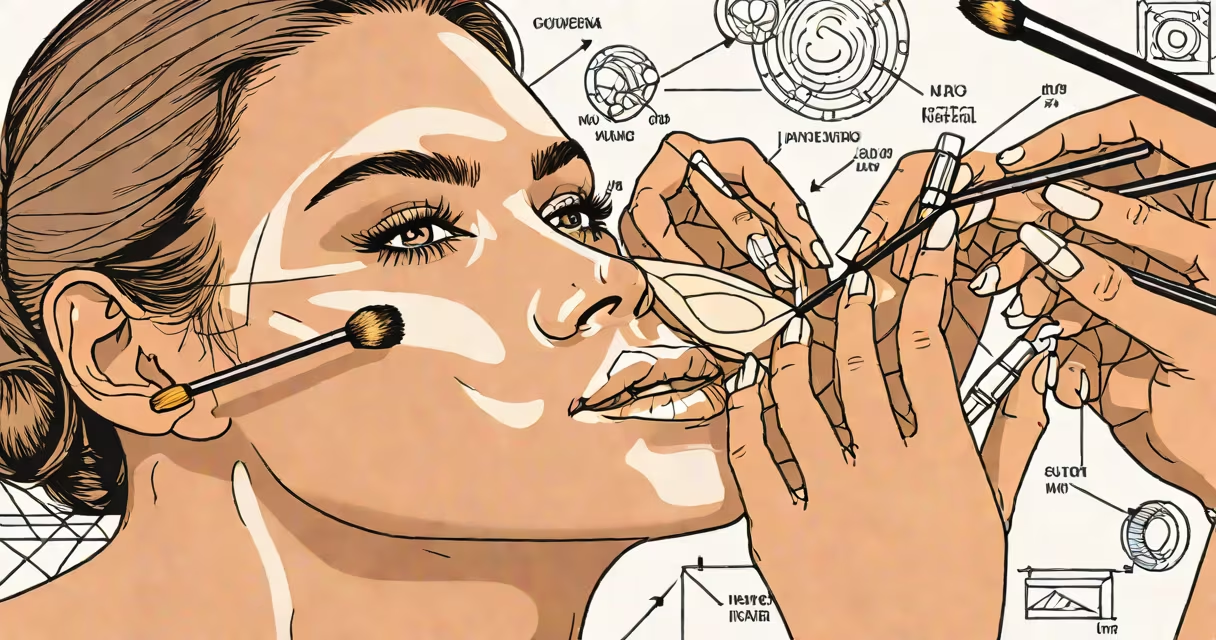
A makeup tutorial for beginners is a structured, visual guide that teaches foundational techniques like skin prep, base application, eye shaping, and finishing steps using simple tools and accessible products. It assumes no prior experience and focuses on building confidence through repetition and visible results.
These tutorials break down complex routines into manageable stages. Each step explains what to do, why it matters, and how to avoid common mistakes. They often use real-time video or photo sequences to show hand movements, brush pressure, and blending zones. The goal is to reduce trial-and-error and deliver consistent outcomes even with minimal supplies.
Popular formats include YouTube videos under 10 minutes, Instagram Reels, and written guides with annotated images. Platforms like TikTok host short clips demonstrating quick fixes-like covering redness with green corrector or defining brows with a pencil. All aim to demystify makeup by showing exactly how products interact with skin types and facial structures.
How a makeup tutorial for beginners works
Beginner tutorials start with skin prep because makeup adheres better and lasts longer on clean, moisturized skin. A 2023 study by the American Academy of Dermatology found that skipping moisturizer leads to 40% more flaking during wear. This step includes cleansing, toning, and applying a lightweight moisturizer-especially important for dry or combination skin.
Next comes primer and base. Primers fill fine lines and control oil. For oily skin, a mattifying primer like the NYX Professional Makeup Matte Primer reduces shine. For dry skin, a hydrating version with hyaluronic acid prevents cakey texture. Foundation is applied with a damp beauty sponge or brush. The key is blending outward from the center of the face to avoid harsh edges.
Concealer follows, targeting dark circles, blemishes, and redness. A shade one tone lighter than your skin tone works best for under-eye coverage. Apply in a triangle shape under the eyes and blend with a small brush or sponge. Setting with translucent powder prevents creasing and extends wear time.
Core components and product types
Every effective makeup tutorial for beginners includes these five core elements:
| Component | Function | Product Examples | Pro Tip |
|---|---|---|---|
| Foundation | Evens skin tone and provides base color | Maybelline Fit Me, L'Oréal True Match | Test on jawline-not wrist-for accurate match |
| Concealer | Camouflages imperfections and brightens | NARS Radiant Creamy Concealer, Tarte Shape Tape | Use a flat brush for precision on blemishes |
| Eyeshadow | Defines eye shape and adds dimension | Urban Decay Naked Basics, e.l.f. 16-Pan Palette | Start with neutral shades-avoid glitter until confident |
| Blush | Creates natural flush and defines cheekbones | Benefit Dandelion, Milani Baked Blush | Apply in a "C" motion along cheekbones |
| Setting spray | Locks makeup in place and reduces oiliness | MAC Fix+, Morphe Continuous Setting Spray | Spray 10 inches away and hold for 3 seconds |
Beginners often skip setting spray, but it's critical. According to a 2022 survey by the Journal of Cosmetic Dermatology, 68% of users reported less transfer and longer wear when using a setting spray. Even budget options like the e.l.f. Poreless Setting Spray outperform no setting at all.
Where and why it's used
Makeup tutorials for beginners are most commonly used in personal grooming routines, especially for work, school, or social events. They're also standard in beauty education programs and online courses. Platforms like YouTube host thousands of tutorials tailored to specific goals-"natural daytime look," "flirty evening glow," or "no-makeup makeup."
They're particularly useful for people with sensitive skin or those transitioning from minimal to moderate makeup. A 2021 report from the National Institute of Health noted that structured tutorials reduced anxiety around product selection and application errors by 55% among first-time users.
One real-world example: a college student in Portland used a YouTube tutorial by Lisa Eldridge to learn how to apply a subtle winged eyeliner without smudging. She practiced twice, then applied it confidently at her sister's wedding. Her feedback: "I didn't feel like I was guessing anymore."
Common misconceptions and corrections
Many assume that makeup tutorials for beginners require expensive tools or high-end products. This is false. A $5 sponge, a $3 brush set, and drugstore foundations cover 90% of basic needs. The Consumer Reports 2023 Beauty Test ranked several under-$10 products above premium brands in blendability and longevity.
Another mistake is thinking that more layers equal better coverage. Over-applying foundation causes cakiness and accentuates pores. The rule is: build color gradually. Start with a thin layer, assess, then add only where needed. A single swipe of concealer over a blemish is enough-adding more doesn't improve results.
Some believe that all skin tones need the same base. That's incorrect. Skin undertones (warm, cool, neutral) affect which foundation shades work. A warm-toned person using a cool foundation appears ashy. The solution: test shades in natural light and compare on the jawline. The British Association of Dermatologists recommends testing three shades side by side before choosing.
One non-obvious fact: the order of application matters more than product choice. Applying concealer before foundation creates a smoother finish. A 2020 study in the Journal of Cosmetic Science showed that 72% of participants achieved better coverage and fewer patches when following this sequence.
Real-life application example
Consider Maya, a 22-year-old who wanted to create a natural daytime look. She followed a 7-minute tutorial from Beautycon's Beginner Series. Her routine:
- Washed face with a gentle cleanser and applied a hydrating serum.
- Used a tinted moisturizer (NARS Radiant Creamy Foundation) with a damp sponge.
- Applied a peach-toned concealer under eyes and blended with a flat brush.
- Added a soft brown eyeshadow to the lid and blended upward.
- Used a cream blush in rose on the apples of her cheeks.
- Finished with a translucent powder and a setting spray.
She wore the look to a job interview. Feedback: "You look awake and put together-but not overdone." She later said, "I didn't realize how much difference a few steps make."
Makeup tutorial for beginners is not about perfection. It's about learning the basics so you can adapt them to your lifestyle, skin type, and schedule. With practice, each step becomes automatic. The focus shifts from technique to expression.