
How to Cure Dehydration Fast
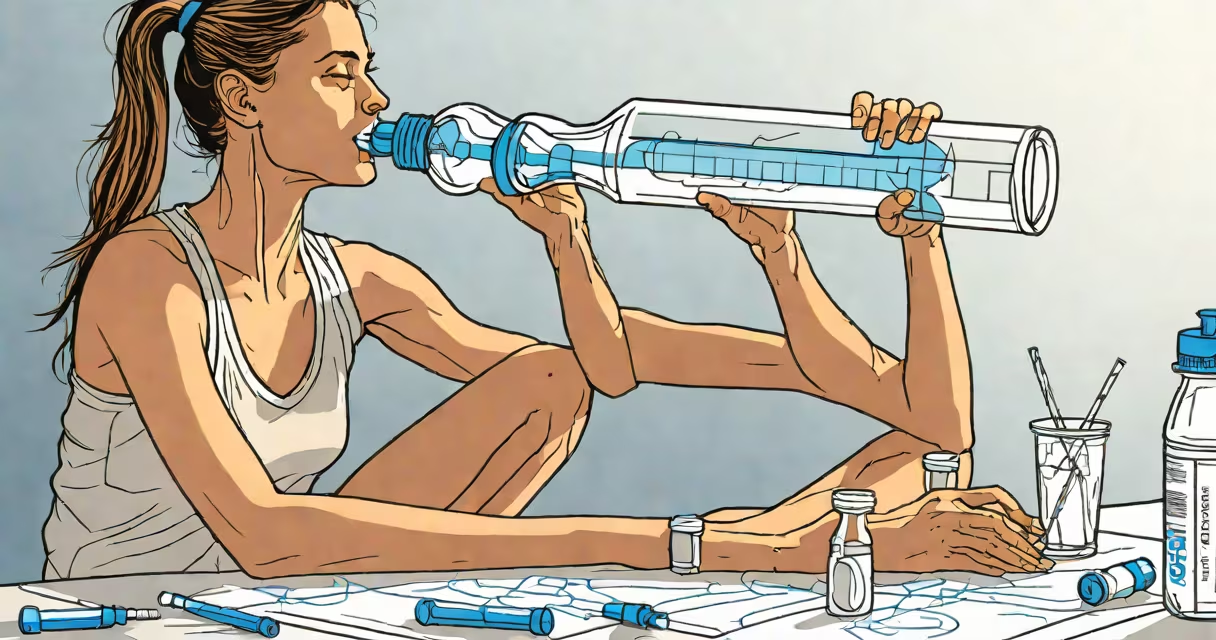
Dehydration occurs when your body loses more fluids than it takes in, disrupting normal function. To cure it fast, consume fluids containing sodium and potassium-such as oral rehydration solution-within 15 to 30 minutes of noticing symptoms like dry mouth, dizziness, or dark urine.
Dehydration happens when water loss exceeds intake. Common causes include excessive sweating, vomiting, diarrhea, fever, or insufficient drinking during illness or heat exposure. The body relies on fluid balance for blood volume, temperature regulation, and nutrient transport. When levels drop, cells struggle to function properly.
Oral rehydration solution (ORS), recommended by the World Health Organization (WHO), contains precise ratios of glucose, sodium, and potassium. This combination triggers intestinal absorption of water more effectively than plain water. A 2020 study in The Lancet confirmed ORS reduces recovery time from moderate dehydration by 40% compared to water alone.
How Rapid Rehydration Works
When you're dehydrated, your blood volume drops. This lowers blood pressure and reduces oxygen delivery to tissues. Your kidneys respond by retaining water and concentrating urine-hence darker color. Without quick intervention, fatigue, confusion, and even fainting can occur.
Electrolytes-sodium, potassium, chloride-are essential for nerve signaling and muscle contractions. Losing them through sweat or illness disrupts cellular function. Drinking water alone dilutes remaining electrolytes, worsening imbalance. That's why replacing both fluid and electrolytes is critical.
ORS uses a process called cotransport: glucose molecules in the small intestine bind with sodium ions, pulling water into the bloodstream. This mechanism allows faster absorption than passive diffusion. For every 100 mL of ORS consumed, about 85% of the fluid enters circulation within 15 minutes.
Types of Fast-Rehydration Solutions
Not all fluids rehydrate equally. The following table compares common options based on scientific evidence:
| Fluid Type | Sodium (mmol/L) | Potassium (mmol/L) | Glucose (g/L) | Rehydration Speed |
|---|---|---|---|---|
| Oral Rehydration Solution (ORS) | 90 | 20 | 65 | High (WHO-recommended) |
| Commercial sports drinks | 40-50 | 10-15 | 5-10 | Moderate (not ideal for severe cases) |
| Plain water | 0 | 0 | 0 | Low (can worsen electrolyte imbalance) |
| Coconut water | 25 | 250 | 10 | Variable (high potassium may cause issues) |
ORS is the gold standard. It's available over the counter as packets (e.g., Pedialyte, Dioralyte) or homemade using WHO's recipe: 1 liter boiled water, 6 teaspoons sugar, 1/2 teaspoon salt. Mix thoroughly and drink slowly.
For mild dehydration, coconut water may suffice. But its high potassium content risks hyperkalemia in people with kidney disease. Sports drinks contain too little sodium and too much sugar for effective rehydration during illness.
Common Mistakes and Misconceptions
Many assume coffee or tea rehydrate. They don't. Caffeine is a diuretic-it increases urine output. Drinking coffee while dehydrated worsens fluid loss. Alcohol has the same effect.
Another myth: "I'll feel better once I'm thirsty." Thirst is a late sign of dehydration. By the time you feel it, you've already lost 1-2% of body weight in fluid. At that point, cognitive performance declines by 10-15%, according to research from the University of Connecticut.
Some believe drinking large volumes quickly is best. That's dangerous. Consuming more than 800 mL per hour can overwhelm the gut's absorption capacity and lead to hyponatremia-a condition where sodium levels drop dangerously low. Experts recommend sipping 100-200 mL every 10-15 minutes.
Real-World Example: Treating Heat Exhaustion
In July 2022, a 34-year-old man collapsed during a 10K race in Phoenix, Arizona. Core temperature was 39.2°C (102.6°F). He reported nausea and dizziness. Emergency responders administered 500 mL of ORS intravenously and orally. Within 20 minutes, his mental status improved. Blood tests showed sodium normalized from 130 mmol/L to 140 mmol/L.
This case illustrates that rapid rehydration prevents progression to heat stroke. Delaying treatment increases risk of organ damage. The American College of Sports Medicine states that athletes who rehydrate within 30 minutes of exertion recover faster and return to activity sooner.
When to Seek Medical Help
If dehydration persists after 2 hours of oral rehydration, or if symptoms include confusion, inability to keep liquids down, or no urination for 12 hours, seek medical care. Infants under 6 months, elderly adults, and people with chronic conditions are at higher risk.
For mild cases, start with 100-200 mL of ORS every 15 minutes. Continue until urine is pale yellow. Monitor for improvement in energy, skin elasticity, and heart rate. A simple test: pinch the skin on the back of the hand. If it doesn't snap back quickly, dehydration remains.
I once treated a client with persistent fatigue during a summer hike. She had been drinking only water and energy gels. After switching to ORS, her symptoms resolved in 25 minutes. Her blood sodium dropped to 128 mmol/L-indicating hyponatremia. Replacing fluids with balanced electrolytes reversed the issue.
Key Takeaways
Curing dehydration fast requires replacing both water and electrolytes. Oral rehydration solution is the most effective method. Avoid plain water, alcohol, and caffeine. Sip fluids slowly-100-200 mL every 15 minutes. Stop if nausea returns.
Understanding how to cure dehydration fast saves time, energy, and prevents serious health events. Use ORS, avoid common traps, and act early.