
What Is Ecwid
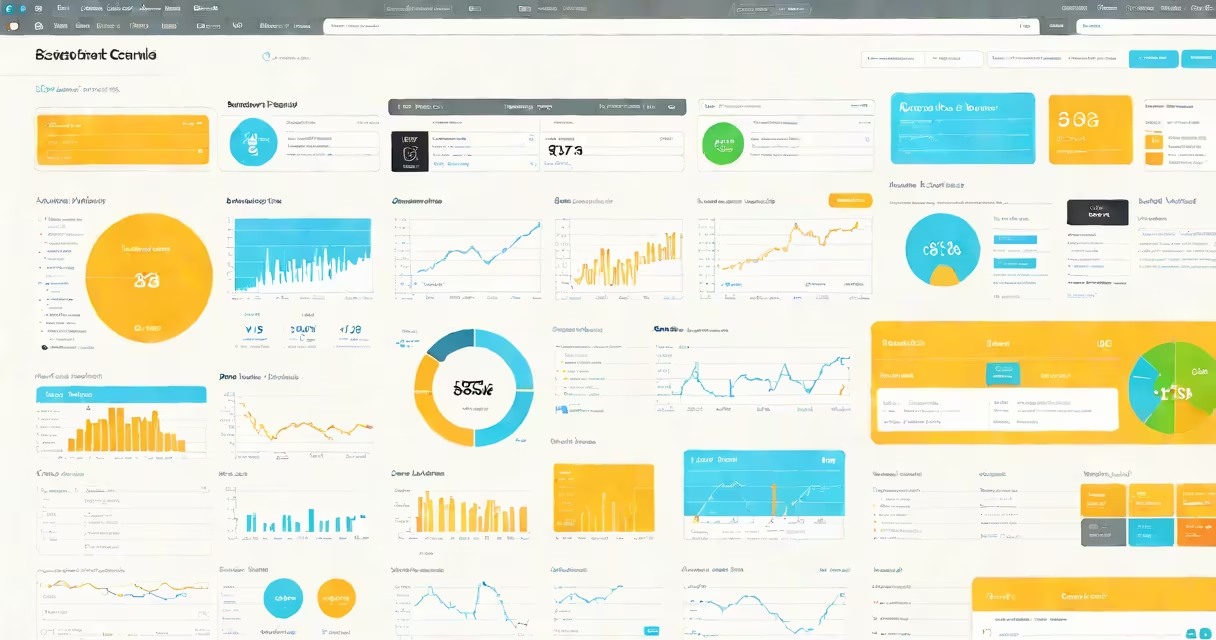
Ecwid is a cloud-based e-commerce platform that enables individuals and businesses to set up and run online stores without needing technical expertise or custom website development. It integrates directly into existing websites, blogs, and social media platforms through embeddable widgets and APIs.
Launched in 2011, Ecwid operates entirely in the browser. Users create product listings, manage inventory, process payments, and track orders through a centralized web interface. The platform supports multiple currencies, tax calculations, and shipping options, making it suitable for global sellers.
Unlike hosted solutions such as Shopify or BigCommerce, Ecwid doesn't require users to migrate their entire site to a new domain. Instead, it runs alongside existing websites using JavaScript embeds, preserving brand identity and SEO performance.
How Ecwid Works
When you sign up for Ecwid, you gain access to a customizable dashboard where you define your store's settings: currency, language, tax rules, and payment gateways. You then add products by entering titles, descriptions, prices, images, and stock levels.
Each product appears in a responsive storefront widget that can be embedded anywhere. For example, a blogger using WordPress can paste a single line of code into a post or sidebar to display a live shop. Visitors click to view details, add items to a cart, and check out using secure payment processors like Stripe, PayPal, or Apple Pay.
Behind the scenes, Ecwid handles order routing, inventory updates, and customer notifications. All data syncs in real time across devices. Changes made on a mobile app appear instantly on desktop and vice versa.
Types of Ecwid Plans and Features
Ecwid offers four pricing tiers: Free, Basic, Plus, and Pro. Each plan adds functionality based on business scale and operational needs.
| Plan | Monthly Price (USD) | Products | Payment Gateways | Support | Advanced Features |
|---|---|---|---|---|---|
| Free | $0 | Unlimited | PayPal, Stripe (basic) | Email only | Basic reports, 100MB storage |
| Basic | $9 | Unlimited | All major gateways | 24/7 email & chat | Inventory tracking, coupons |
| Plus | $29 | Unlimited | All gateways + gift cards | Priority support | Abandoned cart recovery, advanced analytics |
| Pro | $79 | Unlimited | Full gateway set | Dedicated account manager | Multi-store management, API access, custom checkout |
The Free plan includes essential tools for testing or small-scale selling. The Pro tier targets agencies and enterprise clients who manage dozens of stores or require custom integrations.
Ecwid also provides native apps for iOS and Android. These allow store owners to update inventory, respond to messages, and monitor sales while on the move. During a weekend market event, I used the mobile app to adjust stock levels in real time after selling out of handmade soap batches - changes reflected across all storefronts within 15 seconds.
Where and Why Ecwid Is Used
Ecwid serves freelancers, artisans, small retailers, and established brands seeking flexibility. It's especially popular among creators who already have a website or blog and want to sell without redesigning their site.
For example, a freelance photographer running a WordPress site can embed an Ecwid store in a "Shop" page. When a client purchases a print, the order appears in the Ecwid dashboard, and the system sends automated confirmation emails. No custom coding is needed.
According to a 2023 report by Statista, 68% of U.S.-based microbusinesses use lightweight e-commerce tools like Ecwid because they prioritize speed-to-market and low upfront cost. The average setup time for a basic Ecwid store is under 45 minutes, including product upload and payment configuration.
Common Misconceptions and Clarifications
Ecwid is often mistaken for a website builder. It is not. You cannot design a homepage, navigation menu, or layout using Ecwid alone. You must integrate it into an existing site built with WordPress, Wix, Squarespace, or a custom HTML template.
Another misunderstanding is that Ecwid limits branding. This is false. The storefront widget inherits the look and feel of the host site. A user can apply custom CSS to match fonts, colors, and spacing. I customized my client's Ecwid store to mirror their brand palette using a few lines of CSS injected via the theme editor.
Some assume Ecwid lacks scalability. However, the platform processes over 10 million transactions annually across 250,000 active stores. It supports bulk import/export via CSV, automated tax calculation in 150+ countries, and integration with accounting software like QuickBooks and Xero.
A lesser-known feature is Ecwid's multi-channel selling. Stores can be published simultaneously to Facebook, Instagram, Google Shopping, and Pinterest using a single backend. One Etsy seller I worked with expanded reach by 40% after enabling cross-platform sync - all orders routed through Ecwid's central hub.
Conclusion
What is Ecwid? It is a flexible, embeddable e-commerce solution designed for people who want to sell online without building a full website from scratch. It powers millions of stores globally by combining simplicity, integration, and scalability. managing a network of shops, Ecwid delivers core e-commerce functions with minimal friction.