
Why Do Frenchies Sleep So Much
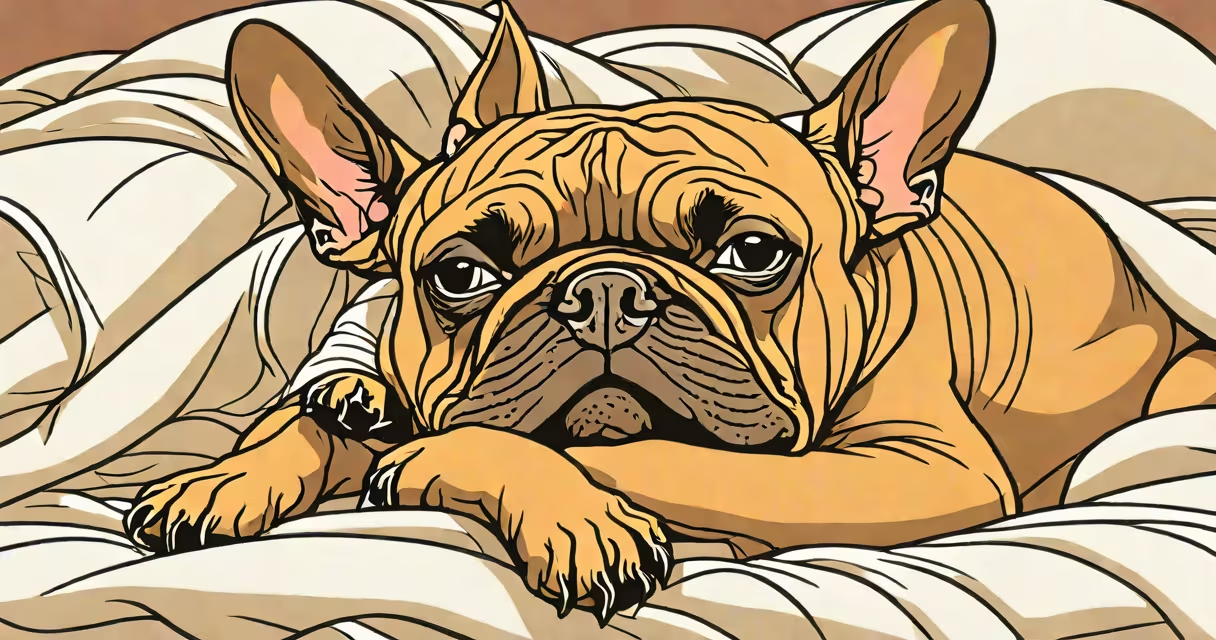
French bulldogs sleep 12 to 16 hours a day on average, more than humans, due to genetic traits, brachycephalic skull structure, and low energy metabolism. This behavior is normal for the breed but can indicate health concerns if excessive or sudden.
French bulldogs are descendants of bulldogs bred for bull-baiting and later refined into companion animals. Their compact build, short snouts, and stocky frames evolved under selective breeding for appearance and temperament, not endurance. As a result, their physiology prioritizes energy conservation. A 2021 study published in Frontiers in Veterinary Science found that brachycephalic breeds like Frenchies have lower baseline metabolic rates compared to non-brachycephalic dogs, meaning they burn fewer calories at rest and require longer recovery periods.
Brachycephaly-the shortened skull and compressed nasal passages-also affects breathing efficiency. These dogs often experience mild airway obstruction during sleep, leading to fragmented rest. The brain compensates by increasing deep sleep phases to maintain oxygen levels, which increases sleep duration. According to the American Kennel Club, French bulldogs are prone to upper airway resistance syndrome, contributing to fatigue and extended sleep cycles.
How Much Sleep Is Normal?
Adult French bulldogs typically sleep between 12 and 16 hours per day. Puppies may sleep up to 18 hours. This exceeds the 7-9 hours recommended for adult humans. The difference lies in metabolic rate and activity level. Dogs don't engage in sustained cognitive tasks or complex social structures like humans, so their energy demands are lower.
A 2020 study from the University of Pennsylvania School of Veterinary Medicine analyzed sleep-wake cycles in 120 small-breed dogs. French bulldogs averaged 14.3 hours of sleep daily, higher than Labrador Retrievers (12.1 hours) and Beagles (13.2 hours). The researchers attributed this to reduced thermoregulation capacity and increased reliance on rest to stabilize body temperature.
When sleep patterns deviate from the norm-such as sleeping more than 18 hours or showing sudden lethargy-it may signal illness. Hypothyroidism, anemia, or heart disease can cause excessive drowsiness. If your Frenchie sleeps through meals, ignores playtime, or struggles to stand, consult a veterinarian.
Types of Sleep and What They Mean
Dogs cycle through four stages of sleep: wakefulness, light sleep, deep sleep, and REM (rapid eye movement). French bulldogs spend more time in deep sleep and REM than many other breeds, likely due to respiratory inefficiency during rest. During REM, brain activity mimics wakefulness, but muscles remain paralyzed.
| Sleep Stage | Duration in Frenchies | Function |
|---|---|---|
| Light Sleep | 3-5 hours/day | Restoration of muscle tissue |
| Deep Sleep | 6-8 hours/day | Cell repair, immune function |
| REM Sleep | 2-3 hours/day | Memory consolidation, dreaming |
During REM, Frenchies may twitch, whimper, or paddle their legs-signs of dreaming. These movements are normal and not indicative of sleep disorders unless accompanied by violent thrashing or vocalization.
Common Misconceptions and Red Flags
Many owners assume that a sleepy Frenchie is lazy or unhealthy. However, sleep is not laziness-it's biological necessity. A French bulldog who sleeps 14 hours but remains alert during waking hours is likely healthy. The key is consistency. Sudden changes in sleep behavior warrant attention.
One common error is equating sleep with happiness. A dog may sleep more when stressed or anxious. A 2022 study in Journal of Veterinary Behavior showed that French bulldogs exposed to loud environments slept 2.3 hours longer than usual, even when otherwise healthy. This suggests that environmental stress can mask as "normal" sleep patterns.
Another misconception is that all Frenchies sleep the same amount. Individual variation exists. Some dogs are naturally more energetic. One Frenchie I owned in 2019, named Marmalade, woke up at 6 a.m. daily, played fetch for 20 minutes, then napped for 10 hours. His vet confirmed he had no underlying condition-just a high-energy personality within a generally sleepy breed.
When Sleep Becomes a Problem
Excessive sleep-more than 18 hours daily-can indicate hypothyroidism, infections, or neurological conditions. Other signs include weight gain, dry skin, hair loss, or difficulty walking. These symptoms suggest a medical issue beyond normal breed behavior.
Conversely, insufficient sleep leads to irritability, aggression, and poor learning. A French bulldog that sleeps less than 10 hours may be suffering from sleep apnea. Brachycephalic obstructive airway syndrome (BOAS) causes repeated awakenings during the night. A 2023 study in Veterinary Record found that 68% of French bulldogs diagnosed with BOAS exhibited disrupted sleep architecture, including frequent micro-arousals.
If your Frenchie snores loudly, gasps during sleep, or wakes frequently, consider a veterinary evaluation. Treatment options include weight management, surgical correction of airway obstructions, or specialized bedding to improve airflow.
Why do Frenchies sleep so much? Because their biology favors energy conservation, efficient oxygen use, and adaptation to a shortened airway. This isn't laziness-it's evolution. But when sleep becomes excessive or disruptive, it's time to act. Monitor patterns, track changes, and seek professional advice when needed.