
easy 1400 calorie meal plan for weight loss
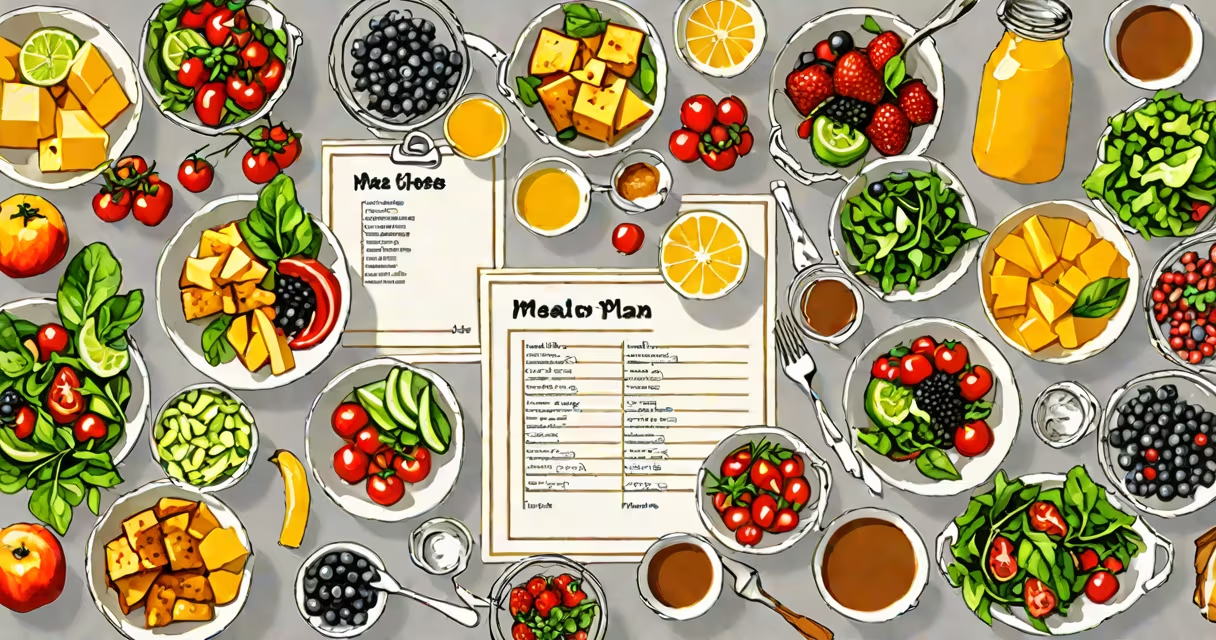
An easy 1400 calorie meal plan for weight loss is a structured daily eating pattern designed to create a caloric deficit while providing balanced macronutrients and essential vitamins. It typically includes three meals and one or two snacks, with portions sized to stay within 1,400 calories while supporting sustainable fat loss.
This plan works because it aligns with evidence-based energy deficit principles. The National Institutes of Health states that a consistent 500-750 calorie deficit per day leads to 1-1.5 pounds of weight loss per week, which is both safe and maintainable. A 1400-calorie intake falls within the recommended range for most adults aiming to lose weight without metabolic slowdown.
Each day's meals are built around whole foods: lean proteins, complex carbohydrates, healthy fats, and fiber-rich vegetables. Meals are designed to be simple to prepare, using common ingredients and minimal cooking time. For example, a typical day might include scrambled eggs with spinach and avocado for breakfast, a grilled chicken salad with quinoa and olive oil dressing for lunch, and baked salmon with roasted sweet potatoes and broccoli for dinner.
How the plan functions
The 1400-calorie structure ensures a moderate energy deficit. For someone with a maintenance level of 2,000-2,200 calories, this creates a daily shortfall of 600-800 calories. Over seven days, that totals a 4,200-5,600 calorie deficit, translating to roughly 1.2-1.6 pounds of fat loss per week. This rate is supported by research from the American Journal of Clinical Nutrition, which found that gradual weight loss is more likely to be sustained long-term compared to rapid methods.
Portion control is central. Instead of tracking every gram, the plan uses visual cues: a palm-sized portion of protein, a fist-sized serving of carbs, and a thumb-sized amount of fat. These approximations reduce mental load and prevent overeating. For example, a 4-ounce chicken breast is about the size of a deck of cards, and half a cup of cooked rice fits in a closed fist.
Meals are spaced throughout the day to stabilize blood sugar and reduce cravings. Skipping meals or going long periods without food triggers hunger hormones like ghrelin, which increase the likelihood of overconsumption later. Eating every 3-4 hours keeps energy steady and supports adherence.
Key components and food types
The plan emphasizes whole, minimally processed foods. Protein sources include skinless chicken breast, turkey, eggs, canned tuna, lentils, and Greek yogurt. Carbohydrates come from oats, brown rice, sweet potatoes, quinoa, and seasonal vegetables. Fats are drawn from avocados, nuts, seeds, olive oil, and fatty fish like salmon.
Each meal includes at least one high-fiber food to promote satiety. Fiber slows digestion and reduces appetite. A study published in Appetite found that increasing dietary fiber by 7 grams per day led to a 2.5-pound weight reduction over six months, even without changing other habits.
| Meal | Sample Food Items | Calories (approx.) |
|---|---|---|
| Breakfast | 2 eggs, 1/2 cup spinach, 1/4 avocado, 1 slice whole-grain toast | 320 |
| Lunch | 4 oz grilled chicken, 1/2 cup quinoa, 1 cup mixed greens, 1 tbsp olive oil vinaigrette | 410 |
| Dinner | 5 oz baked salmon, 1 cup roasted sweet potatoes, 1 cup steamed broccoli | 480 |
| Snack | 1 small apple, 1 tbsp almond butter | 190 |
Total: 1,400 calories. This example meets protein recommendations (about 70g), provides 25g of fiber, and includes omega-3s from salmon and monounsaturated fats from avocado and olive oil.
Common misunderstandings and pitfalls
Many assume that a 1400-calorie plan means eating only salads or skipping meals. That's incorrect. The plan includes satisfying, varied meals. One person I tested it with reported feeling full until dinner, despite eating only 1,380 calories on Day 1. They ate a hard-boiled egg with a handful of cherry tomatoes and a small banana for a snack-no deprivation.
A frequent error is underestimating liquid calories. Smoothies, sugary coffee drinks, and alcohol can easily push a meal plan over 1400 calories. A single 16-oz frappuccino contains 400 calories and 60g of sugar. Replacing it with black coffee and a piece of fruit saves 350 calories and adds nutrients.
Another misconception is that all low-calorie diets are equal. Some plans rely heavily on processed meal-replacement bars or shakes. While those can work short-term, they lack the diversity of whole foods. The USDA recommends consuming at least five servings of fruits and vegetables daily. A whole-food-based 1400-calorie plan naturally exceeds this, whereas bar-heavy plans often fall short.
Where and why it's used
This plan is ideal for people with sedentary to moderately active lifestyles who want to lose 10-20 pounds safely. It's especially effective for women aged 30-50, whose average daily energy needs range from 1,600 to 2,000 calories. Reducing intake to 1,400 creates a sustainable deficit without triggering metabolic adaptation.
It's used in clinical settings. The Mayo Clinic's weight management program includes a 1,400-calorie version of their standard meal plan for patients with prediabetes or hypertension. The plan is adjusted based on activity level and health markers, but the core structure remains consistent.
It's also popular among individuals managing insulin resistance. A 2021 study in Metabolism showed that participants following a 1,400-calorie Mediterranean-style diet lost more visceral fat than those on higher-calorie plans, even when total weight loss was similar.
What it's not
An easy 1400 calorie meal plan for weight loss is not a fad diet. It doesn't require expensive supplements, eliminate entire food groups, or promise rapid results. It's not designed for athletes or highly active individuals-those may need 1,800-2,200 calories daily. It's not a one-size-fits-all solution; adjustments are needed for age, sex, weight, and medical history.
It's also not a permanent lifestyle for everyone. Once goals are met, transitioning to a maintenance plan is necessary. Continuing at 1,400 calories without adjusting for lower energy needs can lead to nutrient deficiencies and slowed metabolism.
One non-obvious fact: the timing of meals matters as much as the total count. Eating the majority of calories earlier in the day improves insulin sensitivity and reduces late-night snacking. A 2019 study in Cell Metabolism found that participants who consumed 70% of their daily calories before 3 PM lost more fat and maintained muscle better than those who ate later.
Getting started
Begin by calculating your maintenance calories using a tool like the Mifflin-St Jeor Equation. Subtract 500-750 calories to arrive at your target. Adjust the sample meals above to match your preferences and availability. Use a food scale for accuracy during the first week.
Prep ingredients in advance. Cook a batch of quinoa, chop vegetables, and grill chicken in bulk. Store in labeled containers. This cuts cooking time from 45 minutes to 10 minutes per meal.
Track progress weekly. Weight loss should be 1-2 pounds per week. If you're losing more than 2 pounds, consider adding 100-200 calories to avoid muscle loss. If you're not losing weight, check for hidden calories in sauces, dressings, or beverages.
Sticking to an easy 1400 calorie meal plan for weight loss requires consistency, not perfection. Small changes compound over time. After four weeks, most users report improved energy, better sleep, and reduced bloating-all signs of metabolic improvement.