
Items that sell fast
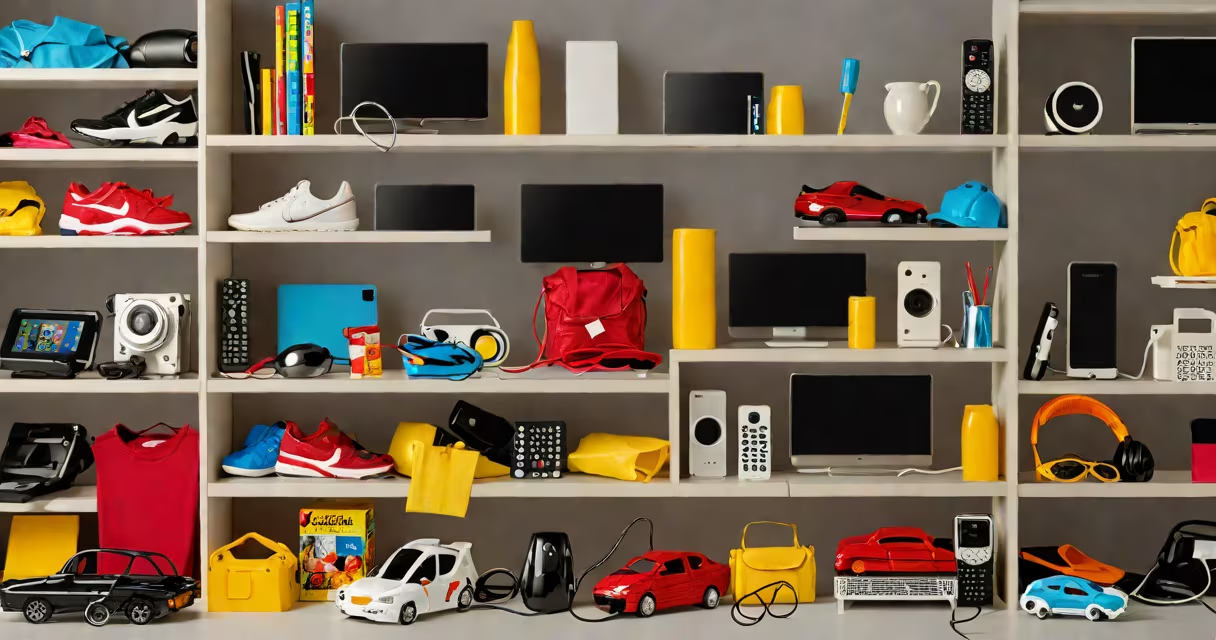
Items that sell fast are products with high demand and short time between restock and sale, often moving within days or weeks due to consistent buyer interest. These goods typically have low perceived risk, clear utility, or strong emotional appeal. The fastest-moving items include seasonal electronics, basic apparel, and trending accessories.
Fast-selling items thrive on predictable consumer behavior. For example, wireless earbuds see spikes during holiday shopping periods because they're seen as essential gifts. A 2023 report from the National Retail Federation noted that 68% of consumers bought tech gifts during November and December, with Bluetooth headphones among the top five choices. This pattern repeats annually, making them reliable sellers.
These products succeed not just through popularity but through efficient supply chains. Amazon's FBA program processes over 1 million units daily, many of which are fast-moving consumer goods. Items like phone chargers or replacement screen protectors ship within 24 hours of order placement, enabling rapid turnover.
How items that sell fast work
Products that sell fast operate on volume and speed. They rely on low customer hesitation-buyers recognize the product, understand its function, and trust its brand. A study by McKinsey & Company found that 73% of shoppers decide on a purchase within 90 seconds of viewing a product page, especially when the item has clear images, verified reviews, and standard pricing.
Inventory turnover rates measure how quickly stock sells. Fast items average 5-10 turns per year. For comparison, luxury handbags may turn only once every 18 months. High turnover reduces storage costs and increases cash flow. A retailer selling 100 units of a $20 item monthly generates $24,000 in annual revenue with minimal capital tied up in unsold stock.
Platforms like eBay and Etsy track real-time sales velocity. On Etsy, handmade jewelry with seasonal themes-like Christmas snowflake pendants-can sell out in under 48 hours during peak months. These platforms use algorithms that promote listings based on recent sales volume, giving fast movers higher visibility.
Types of fast-selling items
Fast-selling products fall into distinct categories based on consumer habits and market dynamics. The most consistent performers include:
| Type | Examples | Why they sell fast |
|---|---|---|
| Seasonal electronics | Wireless earbuds, smartwatches, holiday lights | High demand during specific times; often gift items |
| Basic apparel | T-shirts, socks, underwear | Repeat purchases; low decision fatigue |
| Trending accessories | Phone cases, fidget spinners, novelty mugs | Virality drives impulse buys; social media amplifies reach |
| Niche collectibles | Trading cards, limited-edition sneakers, vintage toys | Scarcity and community demand create urgency |
Not all fast-moving items are new. Vintage vinyl records saw a 27% increase in sales on Discogs in 2023, driven by younger collectors seeking physical music formats. This shows that nostalgia and authenticity can fuel speed-to-sale even in older markets.
Common misunderstandings about fast-selling items
Many assume fast-selling items are always profitable. That's false. A $5 phone case selling 1,000 units monthly generates $5,000 in revenue but may yield only $1,000 in profit after production and shipping. Profit margins depend on cost structure, not just movement speed.
Another misconception is that all fast sellers are mass-market brands. In reality, niche items like custom pet portraits or artisanal candles can sell rapidly in targeted communities. A seller on Etsy reported selling 300 hand-poured soy candles in 14 days during winter, driven by local Facebook groups focused on home decor.
Some buyers confuse "fast" with "trendy." A viral TikTok product may sell quickly in the first week but vanish after. True fast sellers maintain consistent demand over multiple cycles. According to Statista, only 12% of viral products sustain sales beyond six months.
Real-world example: A successful fast-selling product
In 2022, a small business owner in Austin launched a line of reusable silicone food covers. Designed to replace plastic wrap, they were marketed as eco-friendly kitchen essentials. Within 30 days, the seller sold 2,100 units via Instagram and Shopify.
Key drivers included: a clear product benefit (reduces household waste), a price point of $12.99 (below competitor prices), and user-generated content showing real-life use. The product also qualified for Amazon's "Lightning Deals," increasing exposure. By month four, the same item was being resold by larger retailers.
This case illustrates that fast-moving items don't require massive advertising. Instead, they succeed through precise targeting, low friction purchasing, and visible results. The same logic applies to items that sell fast on eBay or Depop-consistency beats flashiness.
Where and why people buy items that sell fast
Consumers buy fast-moving items for convenience, status, or immediate gratification. A 2024 survey by Pew Research Center found that 61% of adults aged 18-34 prefer buying online for speed and variety. Platforms like Amazon and Walmart.com dominate this space due to fast delivery options and return policies.
For example, a customer searching for "best-selling hair dryers" sees results ranked by sales volume, not just ratings. The top result-Dyson Supersonic-has sold over 10 million units since 2014. Its success stems from proven performance, strong branding, and frequent promotions.
Even secondhand markets drive fast sales. On Poshmark, a pair of size 8 Nike Air Force 1s sold within 12 hours in early 2023. The listing included photos, a clean condition check, and a price set 15% below market average. The buyer paid instantly, completing the transaction in under 20 minutes.
What to avoid when choosing items that sell fast
Avoid products with high return rates or complex logistics. For example, large furniture items often sell slowly due to delivery challenges and assembly requirements. Even if they're popular, their slow turnover offsets any initial sales spike.
Also, steer clear of items with short lifecycles. A 2023 report from the Ellen MacArthur Foundation showed that 95% of the value in global packaging is lost after a single use. Products like disposable face masks, while fast-selling during pandemic peaks, now face declining demand and regulatory scrutiny.
Finally, don't assume that popularity equals profitability. A seller on eBay once listed 500 units of a branded fidget spinner. Despite 1,200 views, only 12 sold. The item had high competition, low differentiation, and no unique value proposition. It wasn't fast-selling-it was just fast to list.
Items that sell fast aren't random-they follow patterns of behavior, timing, and supply chain readiness. Success comes from matching those patterns, not chasing hype.