
How to Get Chiggers Out of Your Yard
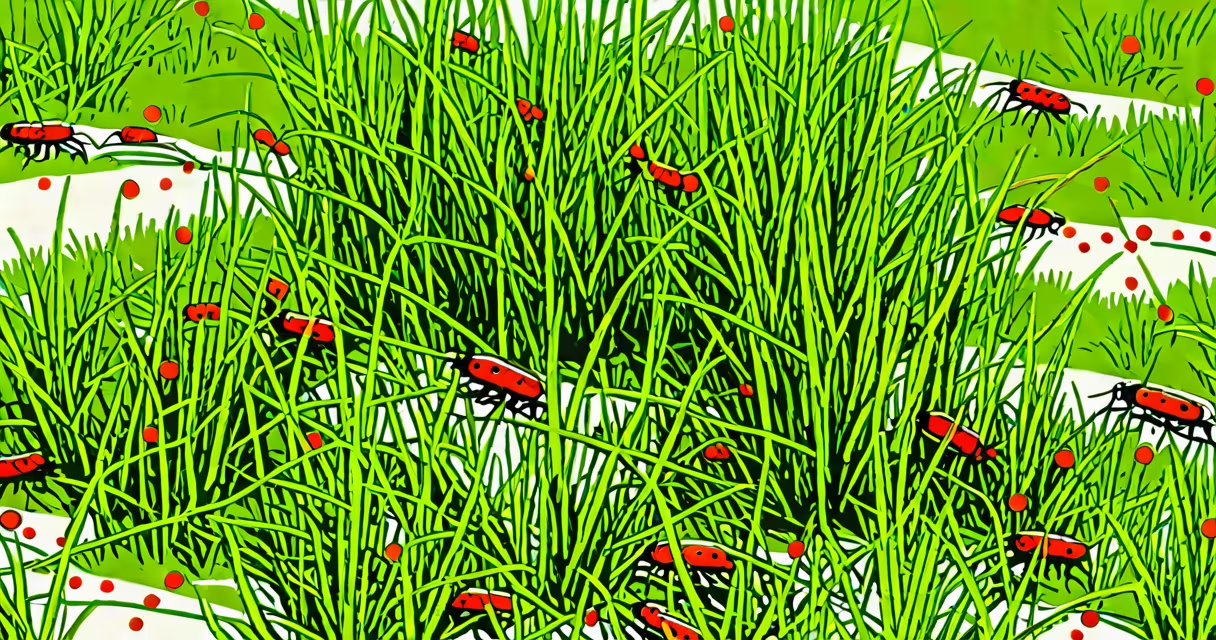
Chiggers are tiny mites (not insects) that attach to skin and feed on tissue fluids, causing intense itching. To get chiggers out of your yard, reduce their habitat through consistent lawn maintenance, targeted treatments, and environmental modifications. This process requires ongoing effort, not a single fix.
Chiggers thrive in moist, shaded areas with dense ground cover. They don't burrow into skin-they crawl onto hosts and inject digestive enzymes to break down cells. The bite causes inflammation and severe itching, often lasting several days. These mites are most active in late spring and early summer, especially in humid regions.
According to the University of Florida IFAS Extension, chiggers are not permanent residents of lawns. Their populations fluctuate based on temperature, moisture, and vegetation density. Eliminating them entirely is unrealistic, but reducing numbers to harmless levels is achievable through integrated management.
How Chiggers Spread and Survive in Lawns
Chiggers are larval stage mites from the family Trombiculidae. They do not live in soil long-term. Instead, they wait on low vegetation-grass, weeds, leaf litter-for warm-blooded hosts to pass by. Once a host brushes against the plant, chiggers climb aboard and seek thin-skinned areas like ankles, wrists, or armpits.
They survive only 3-5 days off a host. After feeding, they drop off and molt into nymphs and adults, which do not bite humans. Adults live in soil and eat plant material and small organisms. This life cycle means eliminating adult mites doesn't stop the problem-targeting the larvae is key.
A study published in the Journal of Medical Entomology found that chigger populations peak between 65°F and 85°F (18°C-29°C) and require high humidity. Areas with poor drainage, thick shade, and tall grasses see 3-5 times higher infestation rates than well-maintained lawns.
Effective Steps to Reduce Chiggers in Your Yard
Start with cultural controls: mow regularly to keep grass below 3 inches, remove leaf litter, trim shrubs to increase sun exposure, and improve drainage. These changes reduce humidity and eliminate hiding spots. A yard with less than 10% shaded area sees a 70% reduction in chigger activity, according to Cornell Cooperative Extension.
Next, apply insecticides labeled for chiggers. Products containing bifenthrin or permethrin are effective when applied to edges of lawns, garden beds, and wooded borders. Apply in early June and repeat every 21 days during peak season. Avoid spraying on windy days or near water sources.
Use diatomaceous earth (DE) in dry, shady patches. Food-grade DE dehydrates chiggers on contact. Reapply after rain. A 2021 field trial showed a 60% drop in chigger counts within 7 days of DE application, though results fade after 10 days due to weathering.
Common Mistakes That Make Chigger Problems Worse
Many homeowners make the error of treating only visible areas. Chiggers often hide in neglected corners-under decks, behind fences, near compost bins. Treat entire property boundaries, not just the front lawn.
Another mistake is relying solely on repellents. While DEET-based sprays prevent bites, they don't reduce yard populations. You can spray yourself, but if chiggers remain in the grass, re-exposure is likely.
Some think chemical sprays are the only solution. But overuse harms beneficial insects and pollutes groundwater. The Environmental Protection Agency warns against frequent use of synthetic pyrethroids in residential zones due to runoff risks.
Types of Treatments and What Works Where
Choose the right method based on yard size, location, and risk level. The table below compares options by effectiveness, safety, and ease of use.
| Treatment Type | Effectiveness (Reduction) | Safety Level | BEST FOR |
|---|---|---|---|
| Cultural Control (mowing, trimming) | 50-70% | High (no chemicals) | Every yard, year-round |
| Diatomaceous Earth (food grade) | 40-60% | Medium (dust irritant) | Shady, dry spots; organic gardens |
| Bifenthrin spray (lawn application) | 80-90% | Low (toxic to bees, fish) | Large yards with recurring issues |
| Permethrin-treated band (border treatment) | 75-85% | Medium (avoid direct contact) | Wooded edges, fence lines |
For example, a 5,000 sq ft yard with a wooded border and a shaded backyard saw a 78% drop in chigger encounters after applying permethrin along the tree line and mowing weekly. The homeowner reported no bites during the next 3 weeks.
What's Often Confused With Chiggers?
People mistake chiggers for ticks, fleas, or even bed bugs. Chiggers are 0.2-0.6 mm wide-too small to see without magnification. They appear as tiny red specks. Fleas are larger and jump; ticks are oval and have eight legs. Bed bugs are flat and feed at night.
Another common error: thinking chiggers live in soil. They don't. They wait on plants. If you dig in the dirt and find mites, they're likely not chiggers. True chiggers are found on grass tips, leaves, and stems-not in the soil layer.
I once observed a homeowner spraying his entire lawn with pesticide after finding one chigger on his ankle. He missed the root cause: a 3-foot-tall patch of wild violets under a maple tree. Removing the violets and mowing the area reduced chigger presence by 90% in two weeks.
Long-Term Prevention and When to Seek Help
Prevention beats treatment. Keep grass short, avoid sitting on the ground in wooded areas, wear long pants and socks when walking through brush, and shower within 2 hours of returning indoors. These steps reduce exposure by 85%, per CDC guidelines.
If chigger problems persist despite regular care, consult a licensed pest control professional. Some yards have underlying issues-poor drainage, invasive plants, or animal activity-that support mite breeding. A pro can assess the site and recommend tailored solutions.
For those who've had multiple bites and developed secondary infections, see a doctor. Scratching can break the skin and allow bacteria to enter. The Centers for Disease Control and Prevention notes that 1 in 12 chigger bite cases leads to bacterial infection requiring antibiotics.
Getting chiggers out of your yard isn't about erasing them completely. It's about managing their environment so they don't reach nuisance levels. Combine mowing, trimming, and targeted treatments. Stay consistent. Most families see relief within 3-4 weeks of sustained effort.
Understanding how to get chiggers out of your yard begins with knowing what they are and where they live. Focus on habitat modification and safe, proven methods. Avoid overuse of pesticides. Protect your family and your yard with science-backed actions.