
msde basic health and safety training
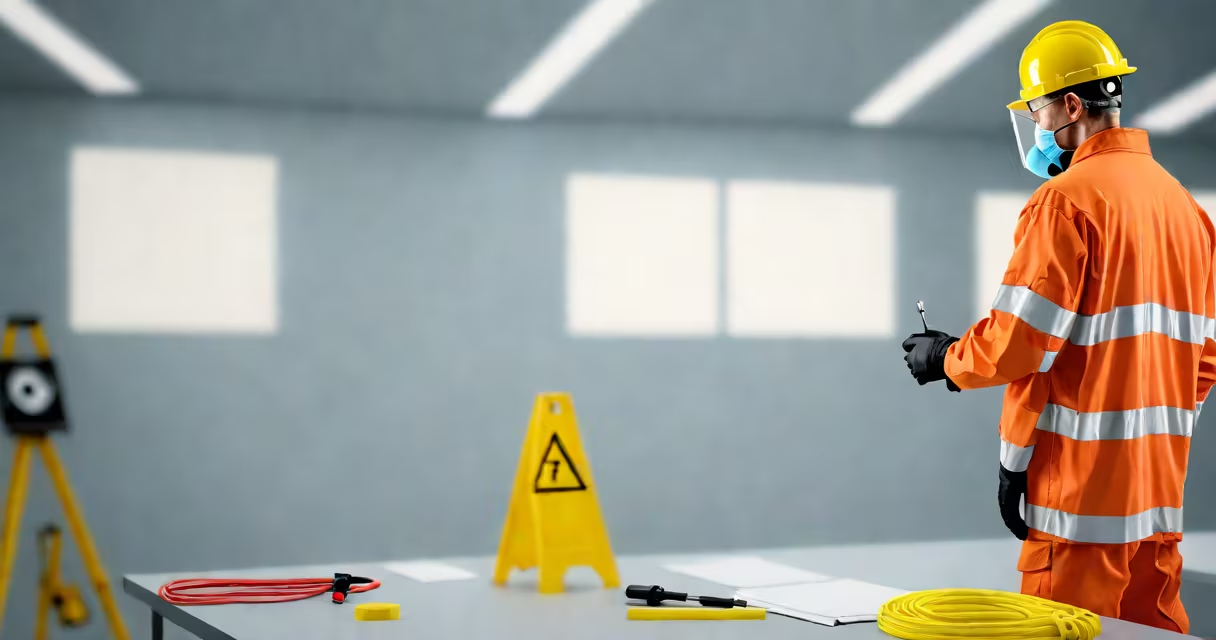
msde basic health and safety training is a standardized curriculum designed to equip personnel in high-hazard industries-particularly oil, gas, construction, and mining-with essential safety knowledge and practical skills to prevent accidents and comply with national regulations.
This training covers hazard recognition, emergency response, personal protective equipment (PPE) use, safe work practices, and incident reporting. It aligns with national safety frameworks such as OSHA's General Industry Standards and the UK's Health and Safety at Work Act. Completion certifies individuals as competent in foundational safety procedures required on-site.
Training duration ranges from 8 to 16 hours, depending on jurisdiction and industry. It includes both classroom instruction and practical exercises. Upon passing a written and performance-based assessment, participants receive a certificate valid for two years, renewable through refresher courses.
How msde basic health and safety training works
The program follows a structured module system. Each unit builds on prior knowledge, ensuring progressive skill development. Core modules include site-specific hazards, manual handling, fire prevention, electrical safety, and confined space entry.
Participants engage in scenario-based drills. For example, during a fire evacuation exercise, trainees must locate the nearest exit, activate alarms, and assemble at designated muster points-all within 90 seconds. These simulations test both physical readiness and decision-making under pressure.
Assessments are conducted live. Trainers observe actions like PPE donning sequences or emergency shutdown procedures. A checklist evaluates each step: correct sequence, timing, and adherence to protocol. Failure to meet thresholds results in retake eligibility after remedial instruction.
What it's made of: key components and structure
msde basic health and safety training consists of five mandatory units:
| Unit | Content Focus | Duration | Assessment Type |
|---|---|---|---|
| Introduction to Safety Culture | Roles, responsibilities, incident reporting systems | 1.5 hours | Multiple choice quiz |
| Hazard Identification & Risk Assessment | Recognizing slips, falls, chemical exposure, machinery risks | 2 hours | Field observation |
| PPE and Safe Equipment Use | Helmet, gloves, respirators, tool inspection | 2.5 hours | Practical demonstration |
| Emergency Response Protocols | Fire, spill, medical emergency, evacuation routes | 3 hours | Simulated drill |
| Safe Work Permit System | Hot work, confined space, lockout/tagout procedures | 2 hours | Scenario-based exam |
Each unit integrates real-world examples. During the confined space module, trainees practice using gas detectors and breathing apparatus in a mock chamber. The environment simulates low oxygen levels and toxic gas presence-conditions that have caused fatalities in past incidents.
Trainers are certified by recognized bodies such as the National Association of Safety Professionals (NASP) or the International Institute of Safety Management (IISM). They undergo annual competency reviews and maintain current industry experience.
Where and why it's used
msde basic health and safety training is required in regulated sectors including offshore drilling, pipeline maintenance, power generation, and large-scale construction projects. Contractors must verify that all field staff hold valid certification before accessing job sites.
In the United States, OSHA mandates that employees exposed to hazardous conditions receive training tailored to their specific tasks. While OSHA does not issue the msde certification itself, the content aligns with OSHA Standard 1910.1200 (Hazard Communication) and 1910.147 (Lockout/Tagout).
A 2022 study by the National Safety Council found that workplaces requiring msde training reported 43% fewer reportable incidents compared to those without formalized safety programs. In one case, a pipeline crew in Texas avoided a potential explosion after identifying a pressure leak during a routine inspection-directly attributed to training in process safety monitoring.
Common misconceptions and corrections
Many assume msde basic health and safety training is interchangeable with OSHA 10-Hour or 30-Hour courses. This is incorrect. While both cover workplace safety, msde is industry-specific and task-focused. OSHA courses are broader and apply to general industry settings.
Another misconception is that certification lasts indefinitely. In reality, most providers require renewal every two years. Some employers extend validity to three years with documented on-the-job safety performance, but this is not standard.
There's also confusion about who delivers the training. Not all providers are accredited. The U.S. Department of Labor advises verifying trainer credentials through the OSHA Training Institute Education Center network or state-approved safety organizations.
I once observed a site supervisor in Louisiana reject a worker's msde certificate because it was issued by a provider not listed on the state's approved vendor registry. The worker had completed the course online but failed the practical evaluation due to lack of hands-on guidance. This led to a three-week delay in project start-up.
Key differences between msde and similar programs
Unlike generic safety awareness sessions, msde training requires physical demonstration of skills. A worker cannot pass simply by answering questions correctly. They must perform tasks such as properly securing a fall arrest system or shutting down a hydraulic line under simulated failure conditions.
Compared to ISO 45001 internal audits, msde focuses on frontline operational readiness-not management system documentation. It does not replace environmental compliance training or quality assurance processes, though it complements them.
For example, a construction company in Colorado used msde training to reduce near-miss reports by 61% over six months. Their safety team linked the drop to improved hazard reporting habits and increased confidence in using PPE-results confirmed by internal surveys and incident logs.
msde basic health and safety training is not a one-time event. It forms part of a continuous safety culture. Workers are expected to participate in monthly safety briefings and annual refresher sessions. Supervisors must document training completion and track competency gaps.
When selecting a provider, verify accreditation status. The American Society of Safety Professionals (ASSP) maintains a public database of certified training organizations. Cross-checking against this list ensures legitimacy and compliance.
Understanding msde basic health and safety training helps protect lives and ensure legal compliance. It's not just a formality-it's a proven method to reduce risk in high-stakes environments.