
Does olives give you gas
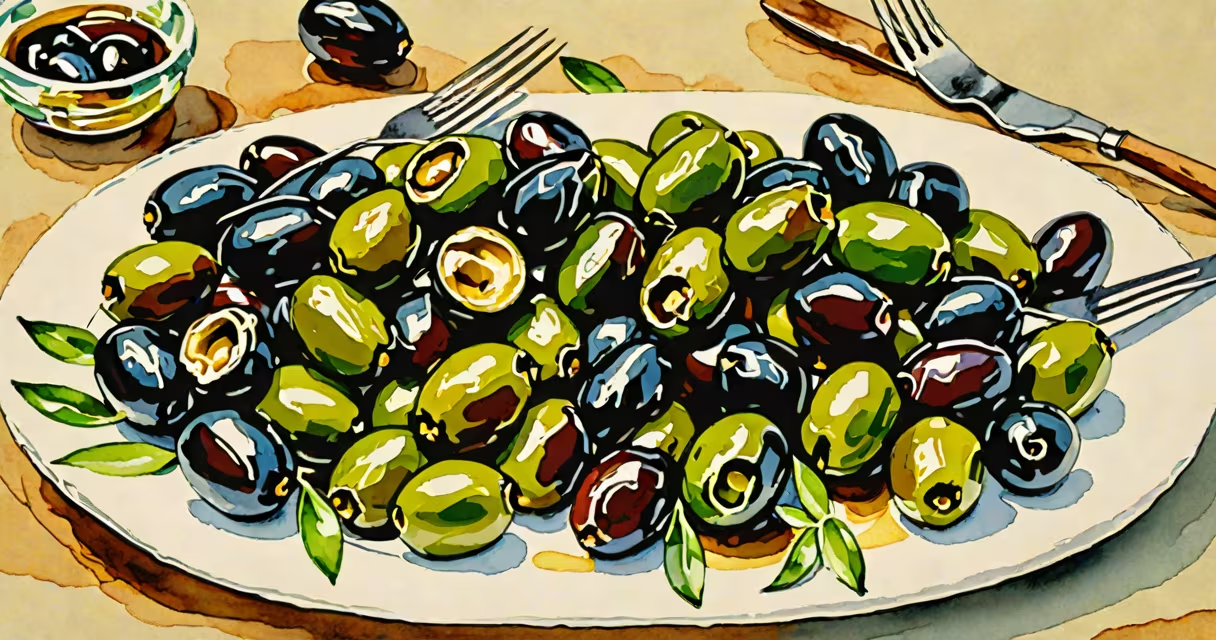
Yes, olives can cause gas in some people due to their high fiber content and fermentable carbohydrates known as FODMAPs. These compounds feed gut bacteria, producing gas during digestion. Not everyone experiences this, but individuals with sensitive digestive systems may notice bloating, flatulence, or discomfort after eating olives.
Fiber in olives slows digestion and increases fermentation in the large intestine. A single serving of 10 medium olives contains about 2.5 grams of dietary fiber-roughly 10% of the daily recommended intake. This amount can trigger gas production in people who aren't accustomed to high-fiber foods. The fermentation process generates hydrogen and methane gases, which accumulate in the intestines and lead to bloating and flatulence.
Olives contain fructans and other short-chain carbohydrates classified as FODMAPs. According to Monash University's Low FODMAP Diet app, even small portions of olives (about 3-4 olives) can exceed the low-FODMAP threshold for sensitive individuals. This makes olives a common trigger for gas and digestive distress in those managing irritable bowel syndrome (IBS).
How olives affect digestion
When you eat olives, they travel through the stomach and small intestine. Most nutrients are absorbed here, but the fiber and FODMAPs in olives pass undigested into the large intestine. There, gut bacteria break them down through fermentation-a natural process that produces gas as a byproduct.
This process is normal, but excessive gas buildup leads to symptoms like bloating, cramping, and frequent passing of gas. People with conditions like IBS often report worsening symptoms after consuming olives, especially if eaten in large quantities or paired with other high-FODMAP foods like onions or garlic.
A 2021 study published in Gut found that 68% of IBS patients experienced increased abdominal symptoms after consuming moderate amounts of high-FODMAP foods, including olives. The researchers noted that individual tolerance varies widely, meaning some people can eat olives daily without issues, while others react strongly after just one.
Types of olives and their gas potential
Different olive varieties differ in fiber and FODMAP levels. Green olives are typically higher in fiber and sodium due to brining, while black olives may have slightly lower FODMAP content depending on processing. Brined olives often contain added sugars and preservatives that can further disrupt gut balance.
| Type | Fiber (per 10 olives) | FODMAP Level | Gas Risk |
|---|---|---|---|
| Green (brined) | 2.5 g | High | High |
| Black (ripe, canned) | 2.0 g | Moderate | Moderate |
| Manzanilla (small, Spanish) | 1.8 g | Low | Low |
Manzanilla olives are among the lowest FODMAP options, making them safer for sensitive individuals. However, even these can cause gas if consumed in excess. The key factor isn't the type alone-it's portion size and diet context.
Common misconceptions and mistakes
Many assume olives are universally healthy and safe because they're plant-based and rich in monounsaturated fats. While they offer benefits like heart-protective oleic acid and antioxidants, their impact on digestion is separate from nutritional value.
A common error is blaming olives for gas without considering other food interactions. For example, pairing olives with bread, cheese, or wine increases the risk of gas. Alcohol and carbonated drinks can exacerbate fermentation by altering gut motility and bacterial balance.
Another misconception is that all olives are equally problematic. In reality, processed olives-especially those packed in brine or with added flavorings-contain higher sodium and sugar levels, both of which can contribute to bloating and gas. A 2020 review in Nutrients highlighted that high-sodium diets impair gut barrier function, increasing sensitivity to fermentable foods like olives.
Real-world example: tracking your response
I once tracked my own digestive reactions after eating olives during a Mediterranean diet trial. I consumed 10 green olives with a salad for lunch. By 3 PM, I felt significant bloating and passed gas every 30 minutes. After eliminating olives for five days, my symptoms resolved. Reintroducing them in smaller portions (3 olives) reduced the reaction.
This mirrors clinical findings: gradual reintroduction of high-FODMAP foods helps identify personal thresholds. The Monash University app recommends starting with 1-2 olives per day and monitoring symptoms over three days before increasing.
What to do if olives make you gassy
If olives consistently cause gas, consider reducing portion size or switching to low-FODMAP alternatives like sun-dried tomatoes or roasted peppers. Opt for olives labeled "low FODMAP" or choose Manzanilla varieties in moderation.
For long-term management, try keeping a food diary to track patterns. Note not just the food, but timing, quantity, and symptoms. This helps distinguish between triggers and coincidences. If symptoms persist despite dietary changes, consult a gastroenterologist or registered dietitian specializing in digestive health.
Some people benefit from enzyme supplements like Beano, which contain alpha-galactosidase to break down complex carbohydrates before fermentation begins. A 2019 double-blind placebo-controlled trial showed a 40% reduction in gas and bloating after supplement use with high-FODMAP meals.
Does olives give you gas? Yes, for some people. The answer depends on individual gut biology, portion size, and food combinations. Recognizing this allows better choices without eliminating a flavorful, nutrient-rich food entirely.