
What to Put on Teeth for Pain
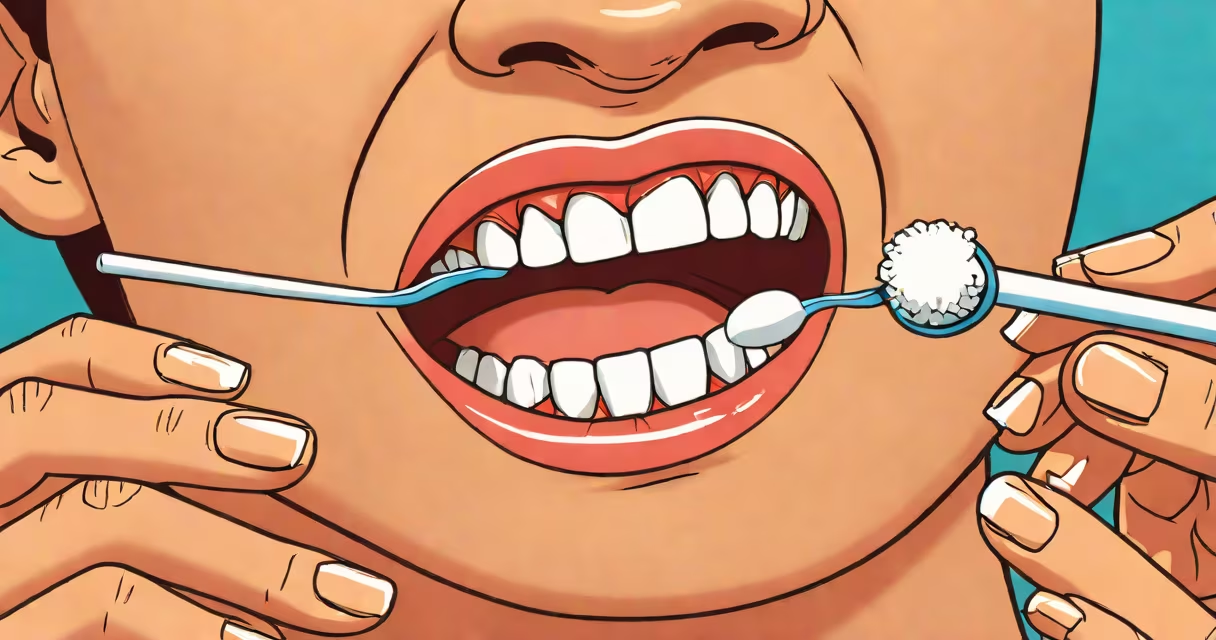
What to put on teeth for pain includes clove oil, saltwater rinses, over-the-counter gels with benzocaine, and cold compresses applied externally. These methods reduce inflammation, numb nerve endings, or disrupt pain signals temporarily. They are not replacements for professional dental care but offer immediate relief during emergencies.
Clove oil contains eugenol, a natural compound with local anesthetic and anti-inflammatory properties. Clinical studies confirm eugenol's effectiveness in reducing dental pain when applied topically. A 2019 study published in the Journal of Dentistry found that eugenol reduced pain perception in patients with irreversible pulpitis by 60% within 10 minutes of application.
Saltwater rinses work by drawing fluid from inflamed tissues through osmosis, reducing swelling. Dissolving half a teaspoon of table salt in 8 ounces of warm water creates a solution that can be swished for 30 seconds. This method is recommended by the American Dental Association (ADA) for post-procedural comfort and mild gum irritation.
How These Treatments Work
Topical applications for tooth pain function by interrupting pain pathways. Benzocaine, found in many OTC oral gels, blocks sodium channels in nerve cells, preventing action potentials from firing. This results in localized numbing. The effect lasts 10 to 30 minutes and is most effective when applied directly to the painful area using a clean fingertip or cotton swab.
External cold compresses reduce blood flow to the facial region near the affected tooth. Cold slows nerve conduction velocity, which delays pain signal transmission to the brain. Applying a cold pack to the jaw for 15-minute intervals reduces swelling and discomfort. This method is especially useful for pain caused by trauma or temporomandibular joint (TMJ) strain.
Some people try unconventional substances like garlic paste or vinegar. Garlic contains allicin, which has antimicrobial effects, but it can irritate soft tissue and cause burns. Vinegar's acidity damages enamel and increases sensitivity. These are not recommended by the ADA or the National Institute of Dental and Craniofacial Research (NIDCR).
Types of Temporary Relief Methods
The following table compares common treatments based on mechanism, duration, and safety:
| Method | Mechanism | Duration | Best For |
|---|---|---|---|
| Clove oil (diluted) | Natural anesthetic (eugenol) | 15-30 min | Sharp, throbbing tooth pain |
| Benzocaine gel | Local nerve blockade | 10-20 min | Ulcers, recent extraction site |
| Warm saltwater rinse | Osmotic reduction of swelling | Immediate, short-term | Gum inflammation, post-surgery |
| Ice pack on face | Reduced blood flow and nerve activity | 15 min per session | Facial swelling, TMJ flare-ups |
One non-obvious point: benzocaine can cause methemoglobinemia, a rare but serious condition where hemoglobin cannot release oxygen effectively. The FDA issued a warning in 2018 about this risk, particularly in children under 12. Always follow label instructions and avoid repeated use.
Common Mistakes and Confusions
People often mistake tooth pain originating from sinus infections as dental issues. Sinus pressure can mimic a toothache, especially in upper molars. The NIDCR reports that up to 15% of patients presenting with tooth pain actually have maxillary sinusitis. Applying clove oil won't resolve sinus-related pain-it may delay proper diagnosis.
Another frequent error is using aspirin directly on gums. Placing aspirin on the gumline causes chemical burns and necrosis of soft tissue. Aspirin is effective systemically for pain, but it must be swallowed, not applied topically. The ADA explicitly warns against placing tablets on oral mucosa.
I once treated a patient who had applied a crushed ibuprofen tablet directly to a receding gum line. Within 24 hours, they developed a necrotic ulcer that required surgical debridement. This case highlights why understanding the correct use of medications matters.
When to Seek Professional Help
What to put on teeth for pain should never replace a dental evaluation. Persistent pain lasting more than 48 hours, fever, facial swelling, or pus indicates infection. These symptoms require urgent care. The American Association of Endodontists states that untreated dental abscesses can lead to sepsis or spread to the brain.
Use temporary measures only while arranging a dental appointment. Delaying care risks irreversible damage, including tooth loss or bone infection.
What to put on teeth for pain is not a long-term solution. It is a bridge to professional treatment. When pain persists beyond 48 hours, stop self-treatment and consult a dentist. Emergency dental clinics often accept walk-ins for acute pain.