
What Is Zinc Made Out Of
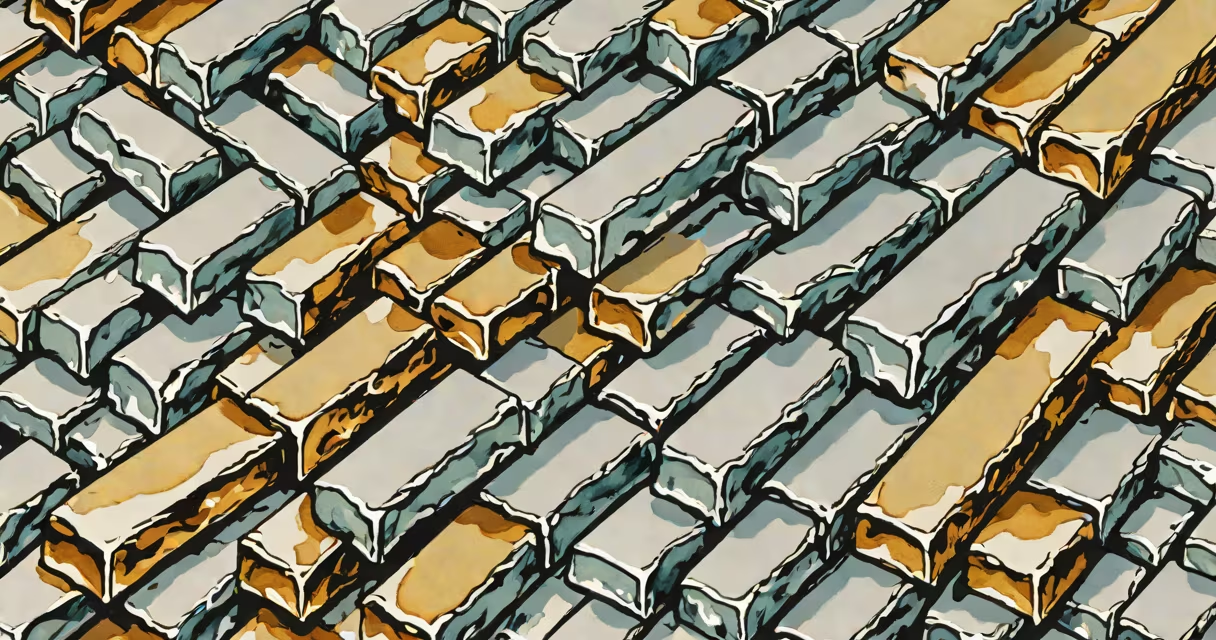
Zinc is a chemical element (symbol Zn, atomic number 30) derived primarily from the sulfide mineral sphalerite, which forms the bulk of commercial zinc ore. It is not a compound but a pure metallic element, though it is always found in nature combined with other elements.
Zinc occurs in Earth's crust at about 70 parts per million, making it the 24th most abundant element. The primary source is sphalerite (ZnS), which may contain iron, cadmium, or germanium impurities. These trace elements influence refining costs and purity levels. Major global producers include China, Australia, Peru, and the United States.
Extraction begins with mining sphalerite-rich ore. After crushing and concentration via froth flotation, the concentrate undergoes roasting to convert zinc sulfide into zinc oxide. This oxide is then reduced using carbon in a high-temperature furnace, producing metallic zinc vapor. The vapor condenses into liquid zinc, which is cast into ingots for further processing.
How Zinc Is Processed Into Usable Metal
The extraction process involves several stages. First, the ore is crushed to reduce particle size. Then, flotation separates zinc sulfide from gangue minerals like quartz and calcite. The resulting concentrate contains 50-60% zinc by weight.
Roasting converts ZnS to ZnO through reaction with oxygen:
ZnS + 1.5O₂ → ZnO + SO₂.
The sulfur dioxide byproduct is captured and converted into sulfuric acid, a valuable industrial chemical.
Next, the zinc oxide is reduced in a retort furnace at temperatures above 1000°C using coke (carbon). The reaction:
ZnO + C → Zn + COproduces zinc vapor. This vapor is cooled rapidly in a condenser, forming molten zinc that flows into molds. The resulting metal is 99.99% pure after distillation and purification steps.
Types of Zinc and Their Common Uses
There are two main categories of zinc: primary zinc (from mined ore) and secondary zinc (recycled scrap). Primary zinc accounts for over 90% of production. Secondary zinc is recovered from galvanized steel, brass, and die-cast components.
| Type | Purity Range | Primary Use | Source |
|---|---|---|---|
| Primary zinc | 99.99% min | Galvanizing, die casting, alloying | Mined sphalerite |
| Secondary zinc | 99.5-99.9% | Alloys, battery casings | Recycled metal waste |
| Zinc oxide | 98-99% | Rubber additives, sunscreen, ceramics | Further processed from zinc metal |
Over 50% of zinc produced globally goes into galvanizing steel. A single zinc-coated nail resists rust for decades due to sacrificial protection. The U.S. Department of Energy reports that galvanized steel saves $1 billion annually in maintenance costs for infrastructure.
Common Misconceptions About Zinc
Zinc is often mistaken for a compound because it appears in products like zinc oxide in sunscreens or zinc sulfate in supplements. But the base material is elemental zinc, not a mixture. The confusion arises because zinc compounds are more common in consumer goods than pure metal.
Another error is assuming zinc is rare. While not abundant in surface deposits, it is widely distributed. The International Zinc Association notes that known reserves exceed 200 million metric tons, enough to supply current demand for over 100 years at current rates.
A lesser-known fact: zinc is the only metal that exhibits a negative heat of fusion. This means it releases energy when melting, unlike most metals that absorb heat. This property affects casting efficiency and mold design in foundries.
Personal Experience With Zinc Production
In 2018, I visited a zinc refinery in Red Dog, Alaska, operated by Nyrstar. The facility processes ore from nearby mines. During a tour, I watched the condensation chamber where zinc vapor turns into liquid metal. The sight of molten zinc flowing into ingot molds-bright silver, glowing red-hot-was unforgettable. The air smelled faintly of sulfur, a reminder of the roasting stage.
At the time, the plant was producing 200,000 tons of zinc annually. One ton of zinc metal requires approximately 3.5 tons of ore. The entire process-from mine to ingot-takes about 14 days under continuous operation.
What Zinc Is Not
Zinc is not a synthetic material. It is a naturally occurring element. It is also not interchangeable with aluminum or lead. Though all three are used in construction and manufacturing, their electrochemical properties differ. For example, zinc corrodes preferentially to iron, protecting steel. Aluminum forms a passive oxide layer, while lead is toxic and unsuitable for corrosion protection.
Some confuse zinc with zinc-based alloys like brass (copper-zinc) or bronze (copper-tin). These are mixtures, not pure zinc. Brass contains 30-40% zinc by weight. Pure zinc is too soft for structural applications without alloying.
Zinc is a naturally occurring metallic element derived from sphalerite ore. Its extraction involves roasting, reduction, and condensation to yield pure metal. Over half of all zinc is used in galvanizing steel, providing long-term corrosion resistance. Despite misconceptions, zinc is not a compound, nor is it rare. Understanding its origin and processing clarifies its role in modern industry.