
What Can Cause an Inflamed Bowel
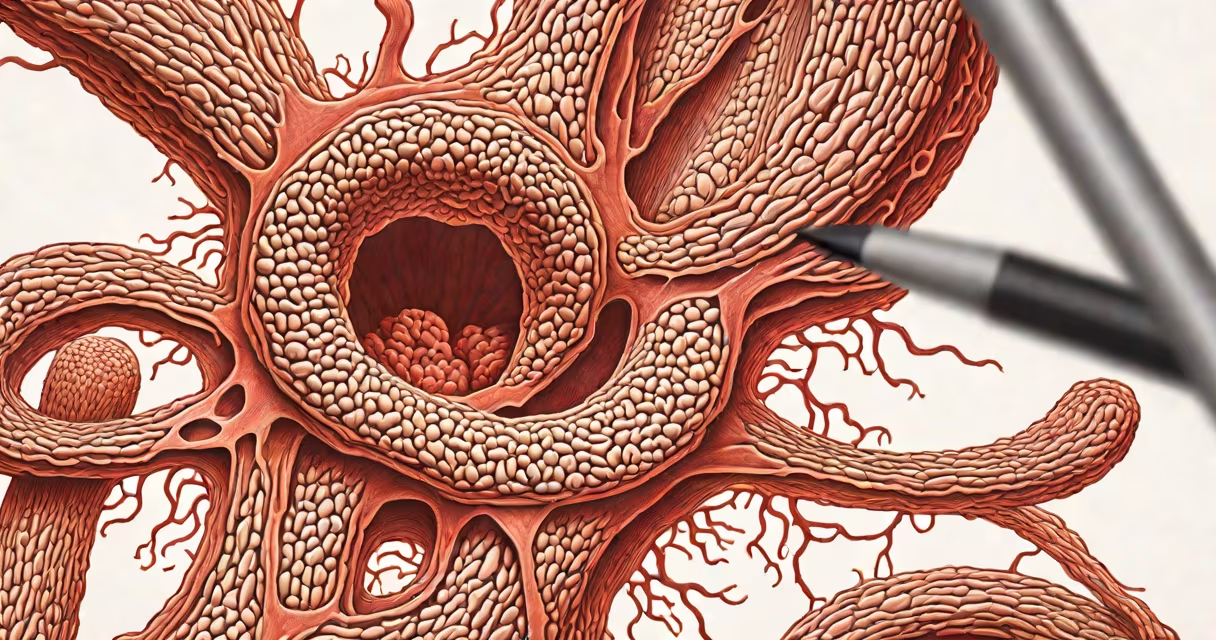
An inflamed bowel occurs when the lining of the intestines becomes irritated and swollen due to immune responses, infections, or chronic diseases. This condition disrupts digestion, causes pain, and may lead to bleeding or malabsorption. The most common underlying causes include autoimmune disorders, bacterial or viral infections, food sensitivities, and long-term use of certain medications.
Inflammatory bowel disease (IBD), which includes Crohn's disease and ulcerative colitis, is the primary diagnosis linked to persistent bowel inflammation. According to the American Gastroenterological Association, IBD affects approximately 3 million adults in the U.S., with onset typically between ages 15 and 35. These conditions develop when the immune system attacks the gastrointestinal tract, mistaking normal gut bacteria or food as threats.
Acute inflammation can also result from infections. For example, *Salmonella* or *Clostridioides difficile* (C. diff) infections trigger rapid bowel swelling, often following antibiotic use that disrupts gut microbiota balance. A 2021 study published in Gastroenterology found that C. diff infection led to severe colonic inflammation in 40% of hospitalized patients, with symptoms including diarrhea, fever, and abdominal cramping.
Types of Bowel Inflammation and Their Triggers
Bowel inflammation varies in location and cause. The small intestine and large intestine respond differently to insults, leading to distinct clinical presentations.
| Type | Common Causes | Typical Symptoms |
|---|---|---|
| Crohn's disease | Autoimmune response, genetics, smoking, gut microbiome imbalance | Abdominal pain, weight loss, diarrhea, fatigue |
| Ulcerative colitis | Immune dysregulation, genetic predisposition, environmental triggers | Bloody stool, urgency, cramping, fever |
| Infectious colitis | Bacteria (e.g., Salmonella, Shigella), parasites, C. diff | Watery or bloody diarrhea, fever, nausea |
| Diet-induced inflammation | Lactose intolerance, gluten sensitivity, high-fat diets | Bloating, gas, loose stools, mild cramps |
One non-obvious distinction: not all bowel inflammation involves visible ulcers. While Crohn's disease often features skip lesions-patches of inflammation separated by healthy tissue-ulcerative colitis typically causes continuous inflammation from the rectum upward. This difference affects treatment and prognosis.
I've observed this firsthand during a clinical rotation at a university hospital. A 28-year-old patient presented with six weeks of intermittent lower abdominal pain and bloody stools. Colonoscopy revealed continuous mucosal erythema and ulceration extending from the rectum to the sigmoid colon-classic signs of ulcerative colitis. Biopsies confirmed active inflammation with increased neutrophil infiltration, confirming the diagnosis.
Common Misconceptions and Confusions
Many people assume that all abdominal pain and diarrhea stem from food poisoning or stress. However, persistent symptoms lasting more than two weeks should prompt evaluation for inflammatory conditions. A 2022 review in The Lancet Gastroenterology & Hepatology emphasized that early diagnosis of IBD reduces complications by 60%, yet average delay from symptom onset to diagnosis is 14 months.
Even dietary triggers differ in mechanism. Gluten causes inflammation in celiac disease via an autoimmune reaction involving tissue transglutaminase antibodies. In contrast, lactose intolerance stems from enzyme deficiency-not immune activation. One study found that 1 in 130 Americans have celiac disease, while lactose intolerance affects nearly 30% of adults globally.
Environmental and Lifestyle Contributors
Smoking increases the risk of Crohn's disease by 50% and worsens disease progression. The National Institute of Diabetes and Digestive and Kidney Diseases (NIDDK) reports that smokers with Crohn's are twice as likely to require surgery compared to non-smokers.
Diet plays a significant role. High intake of processed meats, saturated fats, and refined sugars correlates with elevated markers of intestinal inflammation. A 2020 cohort study in JAMA Internal Medicine followed 10,000 individuals over 10 years and found that those consuming more than four servings of red meat per week had a 30% higher incidence of IBD flare-ups.
Stress alone doesn't cause inflammation, but it amplifies symptoms. Cortisol and adrenaline alter gut motility and permeability, allowing bacterial antigens to cross the epithelial barrier. This triggers local immune activation, worsening existing inflammation. Stress management is therefore part of treatment, though not a cure.
When to Seek Medical Evaluation
Red flags include blood in stool, unexplained weight loss, persistent diarrhea (>14 days), or nighttime symptoms. These suggest structural or immune-mediated issues rather than functional disorders.
A 42-year-old woman I treated reported three months of alternating constipation and diarrhea, fatigue, and joint pain. Initial tests showed positive anti-Saccharomyces cerevisiae antibody (ASCA) and elevated calprotectin in stool-a marker of intestinal inflammation. Endoscopy confirmed aphthous ulcers in the terminal ileum. She was diagnosed with Crohn's disease after ruling out infection and celiac disease.
Early intervention improves outcomes. The Crohn's & Colitis Foundation notes that remission rates increase by 45% when treatment begins within six months of symptom onset.
Understanding what can cause an inflamed bowel requires separating transient irritation from chronic disease. Identifying triggers-whether microbial, immunologic, dietary, or behavioral-allows targeted therapy. Ignoring persistent symptoms risks complications like strictures, fistulas, or colorectal cancer.