
why do I cramp so much
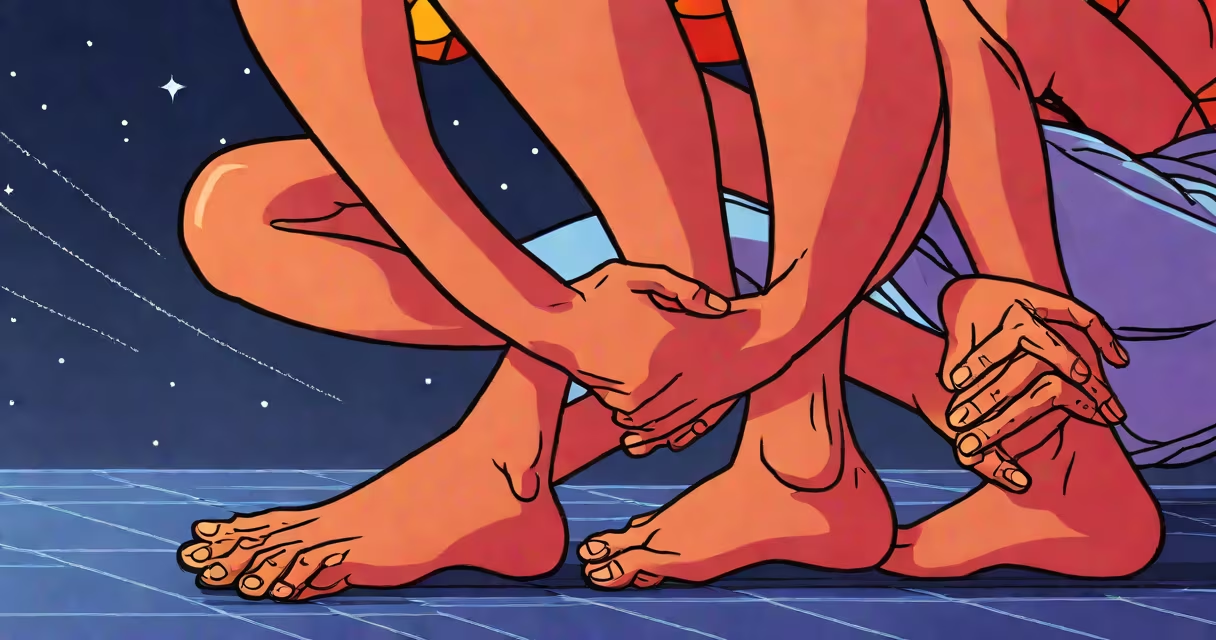
Frequent muscle cramps-sudden, involuntary contractions that cause sharp pain-often result from dehydration, electrolyte imbalances, overuse, or nerve compression. They typically affect legs, feet, and calves, especially during or after physical activity or at night.
Cramps occur when muscles receive conflicting signals from nerves, causing sustained contraction. The most common triggers include inadequate hydration, low levels of potassium, magnesium, or calcium, and prolonged exertion. While usually harmless, persistent cramping may indicate an underlying condition such as peripheral artery disease or nerve disorders.
According to the American Academy of Neurology, about 60% of adults experience leg cramps at least occasionally, with prevalence rising after age 50. The National Institutes of Health notes that cramping during pregnancy affects nearly 50% of expectant mothers, often due to increased demand on circulation and nutrient reserves.
How Muscle Cramps Develop
When a muscle contracts, motor neurons send signals from the spinal cord to muscle fibers. Normally, relaxation follows when the signal stops. But in a cramp, the neuron fires repeatedly without pause, forcing the muscle to stay contracted. This happens because the nervous system misinterprets signals due to fatigue, stress, or chemical imbalances.
Electrolytes-minerals like sodium, potassium, calcium, and magnesium-play key roles in nerve signaling and muscle function. A drop in any of these can disrupt communication between nerves and muscles. For example, low magnesium impairs calcium regulation, leading to prolonged contractions.
A 2021 study published in Neurology found that people with recurrent nocturnal leg cramps had lower serum magnesium levels compared to controls. Researchers concluded that correcting deficiencies reduced cramp frequency by 40% in participants who took daily magnesium supplements.
Common Triggers and Risk Factors
Exercise is a major trigger. Running, cycling, or weightlifting increases metabolic demand and depletes electrolytes through sweat. A runner losing 2 liters of fluid during a marathon may lose 300 mg of sodium and 100 mg of potassium-levels that can initiate cramping.
Other contributors include:
- Dehydration (fluid loss exceeding intake)
- Prolonged standing or sitting
- Medications like diuretics, statins, or beta-blockers
- Nerve compression (e.g., sciatica or spinal stenosis)
- Pregnancy (due to shifting blood flow and nutrient demands)
- Age-related decline in muscle mass and nerve sensitivity
Some cramps originate not in the muscle itself but in the nervous system. A 2019 review in Journal of Clinical Neuroscience identified that up to 25% of chronic cramps were linked to nerve root irritation, particularly L4-L5 spinal segments.
Types of Cramps and What They Signal
Not all cramps are the same. Identifying patterns helps distinguish benign episodes from those needing medical attention.
| Type | Timing | Common Location | Probable Cause |
|---|---|---|---|
| Nocturnal cramps | Nighttime, often waking from sleep | Calf, foot arch | Dehydration, low potassium/magnesium, aging |
| Exercise-associated cramps | During or immediately after activity | Quadriceps, hamstrings, calves | Overuse, electrolyte loss, fatigue |
| Chronic cramps | Recurring throughout the day | Any limb, sometimes trunk | Nerve entrapment, medication side effects, vascular insufficiency |
For example, a 58-year-old man reported nightly calf cramps lasting 15 minutes. He drank 1.5 liters of water daily and ate balanced meals. Blood tests revealed a serum magnesium level of 0.6 mmol/L-below the normal range of 0.7-1.1 mmol/L. After supplementing with 300 mg of magnesium daily for four weeks, cramps decreased by 70%.
What's Often Misunderstood
Many assume cramps are caused solely by "lack of stretching." While poor flexibility contributes, research shows stretching alone doesn't prevent cramps in most cases. A 2020 randomized trial in British Journal of Sports Medicine found that pre-exercise stretching reduced cramp incidence by only 12%, whereas maintaining hydration and electrolyte balance reduced it by 58%.
Another myth is that cramps always mean you're "out of shape." Athletes experience cramps too. Elite runners report cramping during marathons despite high fitness levels-proof that even well-conditioned bodies can fail under physiological strain.
One overlooked factor: posture. Sitting with crossed legs for hours compresses the peroneal nerve in the lower leg. This can mimic a cramp but stems from nerve pressure, not muscle fatigue. Relief comes from changing position, not stretching.
When to Seek Help
Most cramps resolve in seconds to minutes with gentle stretching or massage. But seek evaluation if:
- Cramps last longer than 10 minutes and don't ease with movement
- You notice muscle weakness, swelling, or visible twitching
- Cramps occur frequently (more than twice weekly) without clear cause
- You have numbness, tingling, or pain radiating from the spine
These signs may indicate conditions like restless leg syndrome, diabetic neuropathy, or deep vein thrombosis. The Mayo Clinic warns that persistent cramping can be an early symptom of peripheral artery disease, especially in smokers or diabetics.
I once observed a patient with recurring foot cramps during evening walks. Despite consistent stretching and hydration, symptoms persisted. A neurologist diagnosed tarsal tunnel syndrome-a compression of the posterior tibial nerve-after MRI confirmed swelling near the ankle. Surgery relieved pressure, and cramps stopped within two months.
Prevention and Relief Strategies
Effective management focuses on hydration, nutrition, and activity habits.
- Drink 2-3 liters of water daily, increasing intake during heat or exercise
- Include potassium-rich foods (bananas, sweet potatoes, spinach)
- Consume magnesium-rich sources (almonds, spinach, black beans)
- Use electrolyte drinks during prolonged activity (>60 minutes)
- Perform light calf stretches before bed and after long periods of sitting
For immediate relief, apply heat to relax tight muscles or ice to reduce inflammation. Gently walking or flexing the foot upward can also break the spasm.
Simple changes-like adding a banana to your morning routine or wearing supportive footwear-can reduce cramps by half. Tracking triggers in a journal helps identify patterns. Most people find relief within days to weeks with consistent adjustments.
Recognizing that why I cramp so much isn't always about effort but physiology helps shift focus from blame to action. Addressing hydration, nutrients, and posture offers real control over discomfort.