
e coli infection in bowel
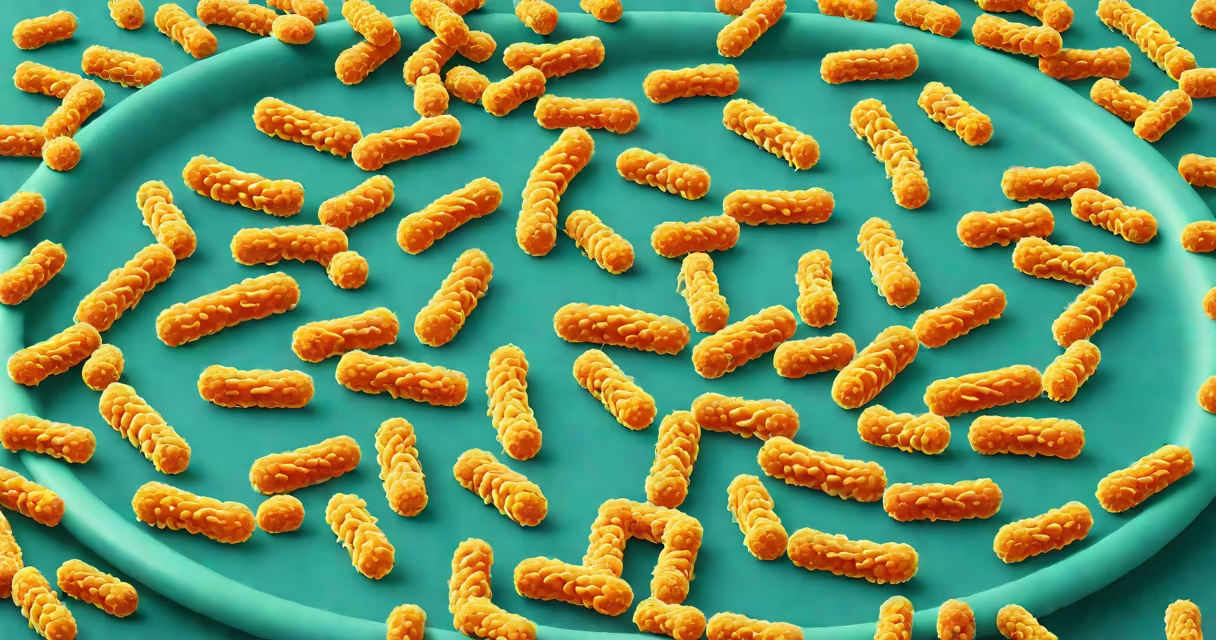
An e coli infection in bowel results from ingestion of pathogenic strains of Escherichia coli that colonize the large intestine, leading to inflammation, diarrhea, and abdominal pain. These bacteria are typically transmitted through contaminated food or water, especially undercooked ground beef or unpasteurized dairy products.
Pathogenic E. coli strains produce toxins that damage intestinal lining cells, disrupting fluid balance and triggering frequent watery or bloody stools. The most dangerous strain, O157:H7, produces Shiga toxin, which can cause hemolytic uremic syndrome-a life-threatening condition affecting kidneys and blood cells. Symptoms usually appear within 1-3 days after exposure and last 5-10 days in healthy adults.
According to the Centers for Disease Control and Prevention (CDC), about 95,000 cases of E. coli infection occur annually in the United States, with approximately 3,000 hospitalizations and 90 deaths. Most cases resolve without antibiotics due to risk of worsening toxin release. Treatment focuses on hydration and symptom management.
How It Works: Mechanism of Infection
When ingested, pathogenic E. coli adheres to epithelial cells in the ileum and colon using specialized fimbriae. Once attached, they secrete enterotoxins (like LT and ST) or cytotoxins (Shiga toxin), which disrupt normal gut function. Shiga toxin inhibits protein synthesis in host cells, leading to cell death and mucosal ulceration.
The immune system responds with neutrophil infiltration and cytokine release, increasing intestinal permeability and fluid secretion. This leads to osmotic diarrhea-watery stool driven by unabsorbed electrolytes. In severe cases, Shiga toxin enters the bloodstream and damages endothelial cells in renal glomeruli, triggering microangiopathic hemolysis and acute kidney injury.
A 2021 study published in Clinical Infectious Diseases found that 14% of patients with E. coli O157:H7 infection developed hemolytic uremic syndrome, particularly children under 5 and elderly individuals over 65. Early recognition and supportive care reduce mortality risk.
Types and Strains of Pathogenic E. coli
Not all E. coli strains cause illness. Only specific pathotypes are associated with bowel infections. The five major categories differ in virulence mechanisms and clinical outcomes:
| Strain Type | Primary Toxin | Transmission Route | Typical Symptoms |
|---|---|---|---|
| Enterohemorrhagic (EHEC) | Shiga toxin (Stx) | Undercooked beef, raw produce | Bloody diarrhea, severe cramps, HUS risk |
| Enteropathogenic (EPEC) | None (adheres via attaching/effacing lesion) | Contaminated milk, poor hygiene | Persistent watery diarrhea, especially in infants |
| Enterotoxigenic (ETEC) | LT and ST enterotoxins | Contaminated water, travel-related | Watery diarrhea, cramping, often in travelers |
| Enteroaggregative (EAEC) | Aggregative adherence fimbriae (AAF) | Unwashed fruits, raw vegetables | Chronic diarrhea, mucus, low-grade fever |
| Enteroinvasive (EIEC) | None (invades cells like Shigella) | Contaminated food, fecal-oral route | Flu-like symptoms, dysentery, fever |
EHEC is responsible for the majority of severe cases, including outbreaks linked to leafy greens and ground beef. A 2018 outbreak traced to romaine lettuce caused 210 confirmed cases across 33 states, resulting in 96 hospitalizations and 2 deaths, according to CDC reports.
Common Confusions and Misconceptions
Many people assume all E. coli infections are the same. This is incorrect. Non-pathogenic E. coli strains are normal inhabitants of the human gut, aiding digestion and vitamin K production. They are harmless and even beneficial.
Another misconception is that antibiotics treat all E. coli bowel infections. In fact, using antibiotics for EHEC infections increases the risk of hemolytic uremic syndrome by promoting toxin release from lysed bacteria. The American College of Gastroenterology advises against antibiotic use unless there's clear evidence of systemic spread.
A less known fact: E. coli O157:H7 can survive refrigeration temperatures (4°C) for weeks. It does not grow at cold temperatures but remains viable, making contamination possible even in chilled foods. This explains why outbreaks have occurred from refrigerated deli meats and pre-cut fruits.
Real-World Example: Outbreak Investigation
In 2022, a multi-state outbreak linked to ground beef resulted in 127 confirmed cases, 45 hospitalizations, and 1 death. The CDC identified E. coli O157:H7 in samples from a processing plant. Genetic sequencing showed identical PFGE patterns across patient isolates, confirming a common source.
One patient, a 32-year-old woman, reported consuming a medium-rare burger at a restaurant. She developed severe abdominal cramps and bloody diarrhea on day 2 post-exposure. Stool culture confirmed E. coli O157:H7. She was treated with IV fluids and monitored for HUS. Her creatinine levels peaked at 2.8 mg/dL (normal: 0.6-1.2), indicating acute kidney injury. She recovered fully after 10 days of supportive care.
Prevention and When to Seek Help
Preventive measures include cooking ground meat to 160°F (71°C), washing hands after handling raw meat, avoiding unpasteurized milk and juice, and thoroughly rinsing produce. The CDC recommends using separate cutting boards for meat and vegetables to prevent cross-contamination.
Seek medical attention if diarrhea lasts longer than 3 days, contains blood, or is accompanied by high fever (>102°F), persistent vomiting, or signs of dehydration such as dry mouth, dizziness, or reduced urine output. Children under 5 and older adults are at higher risk for complications.
Recognizing e coli infection in bowel early prevents progression to severe outcomes. Stay informed, practice safe food handling, and seek timely care when symptoms persist.