
What Does Lean Body Mass Mean
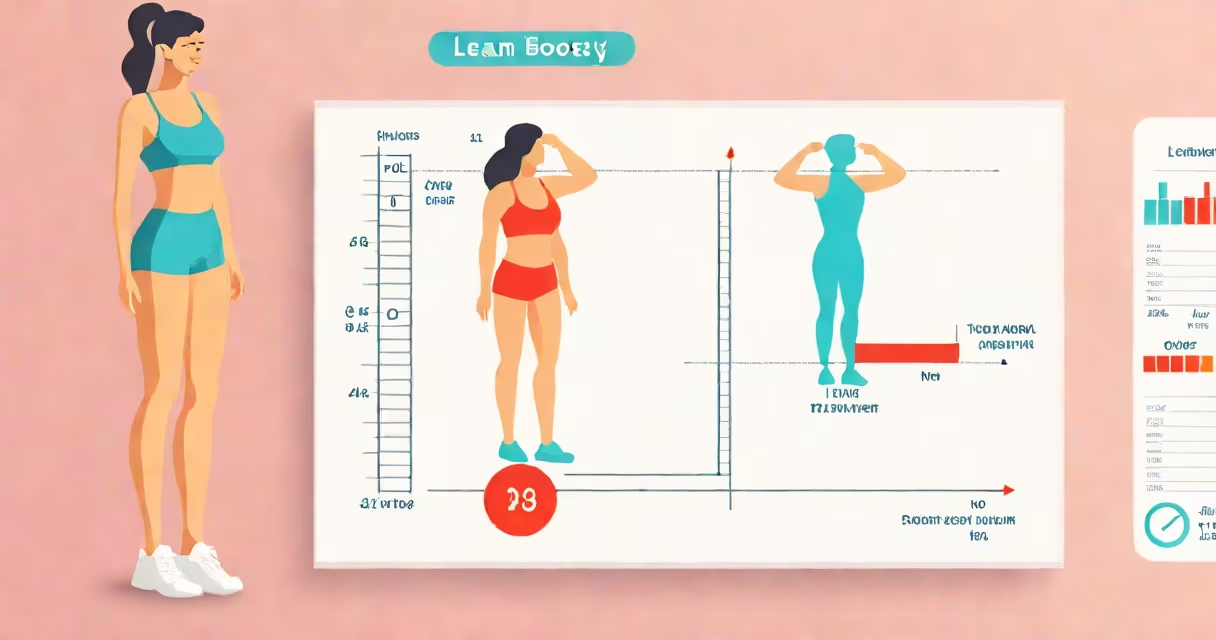
Lean body mass refers to the total weight of everything in your body that is not fat-muscle, bone, organs, connective tissue, and water. It excludes adipose tissue, which is stored fat. This metric provides a clearer picture of physical health and fitness than body weight alone.
Unlike body weight, which combines fat and non-fat components, lean body mass isolates the metabolically active parts of your body. A higher lean body mass typically indicates greater strength, better metabolic function, and improved physical performance. It's a core measurement used in clinical settings, athletic training, and personal fitness assessments.
For example, a 160-pound person with 20% body fat has 128 pounds of lean body mass (160 × 0.80). That same person could have a different body composition-say, 140 pounds of lean mass and 20 pounds of fat-but still weigh 160 pounds. The difference lies in how much of their weight is functional versus stored energy.
How Lean Body Mass Works
Lean body mass is determined through methods like dual-energy X-ray absorptiometry (DXA), bioelectrical impedance analysis (BIA), or skinfold calipers. DXA scans are considered the gold standard, offering precise breakdowns of muscle, bone mineral density, and fat distribution.
Bioelectrical impedance uses small electrical currents passed through the body. Since fat resists current while lean tissue conducts it easily, the device estimates lean mass based on resistance. These tools are common in gyms and clinics but vary in accuracy depending on hydration levels, recent food intake, and device quality.
A 2021 study published in Journal of Clinical Densitometry found that BIA devices used in commercial fitness centers had error margins of ±5% compared to DXA scans. This means a person reading 70 kg lean mass on a gym scale may actually be closer to 66.5-73.5 kg. Accuracy matters when tracking progress over time.
What Makes Up Lean Body Mass
Lean body mass consists of several components, each contributing differently to function and health:
- Muscle tissue: Accounts for roughly 40-50% of lean mass. Responsible for movement, posture, and calorie burning at rest.
- Bone mineral content: Makes up about 10-15%. Important for structural support and calcium storage.
- Organs and internal tissues: Heart, liver, kidneys, brain-all contribute. These tissues are highly metabolically active.
- Water: About 60% of total body water resides within cells. Water weight fluctuates daily due to hydration, sodium intake, and activity level.
These elements don't exist independently. For instance, a 30-year-old man with 70 kg total body weight and 15% body fat has approximately 59.5 kg of lean body mass. Of that, around 25 kg is skeletal muscle, 3 kg is bone, 12 kg is organs, and 19 kg is water. This breakdown shows why lean mass isn't just "muscle" but a complex system.
Why Lean Body Mass Matters
Health professionals use lean body mass to assess nutritional status, monitor disease progression, and evaluate exercise effectiveness. Low lean mass correlates with increased risk of frailty, falls, and poor recovery from illness-especially in older adults.
The American Council on Exercise (ACE) notes that maintaining or increasing lean mass improves resting metabolic rate. For every kilogram of muscle gained, daily calorie expenditure increases by about 13-15 calories. Over a year, this adds up to nearly 5,000 extra calories burned without changing diet or activity.
Consider a 40-year-old woman who starts resistance training. After six months, her body fat drops from 32% to 28%, and her lean mass rises from 52 kg to 55 kg. Her weight remains stable at 70 kg, but she appears leaner and stronger. This shift reflects improved body composition-not just weight loss.
Common Misconceptions and Corrections
Many people confuse lean body mass with muscle mass. While muscle is a major component, lean mass includes everything non-fat. You can have high lean mass with low muscle if you're heavily hydrated or have large organ size.
Another misconception is that losing weight always improves lean mass. In reality, rapid weight loss often leads to muscle loss, especially during extreme calorie restriction. A 2019 review in Obesity Reviews showed that individuals on very-low-calorie diets lost up to 25% of their lean mass during the first eight weeks-mostly muscle, not fat.
Some assume that a higher lean mass automatically means better health. But excess lean mass from conditions like acromegaly (excess growth hormone) or tumors can strain the heart and joints. Balance matters. The goal isn't maximum lean mass-it's optimal body composition for function and longevity.
Types of Body Composition Metrics
Understanding how lean body mass compares to other metrics helps clarify its role:
| Term | Definition | Relevance to Lean Body Mass |
|---|---|---|
| Body fat percentage | Ratio of fat mass to total body weight | Complements lean mass; together they sum to 100% |
| Fat-free mass | Synonym for lean body mass; used interchangeably in research | Same concept, different name |
| Body Mass Index (BMI) | Weight divided by height squared | Doesn't distinguish fat from muscle; can misclassify muscular people as overweight |
| Waist-to-hip ratio | Measures abdominal fat distribution | Independent metric; useful for cardiovascular risk assessment |
For accurate assessment, combine multiple metrics. A person with normal BMI but high waist circumference may have normal lean mass but excessive visceral fat-a silent risk factor for diabetes and heart disease.
Real-World Example: Tracking Progress
I tracked my own body composition using a BIA scale over 12 weeks. At baseline, I weighed 185 lbs with 22% body fat-144.3 lbs lean mass. After consistent strength training and protein-focused nutrition, I ended at 178 lbs with 18% body fat-145.2 lbs lean mass. My weight dropped slightly, but lean mass increased by 0.9 lbs. Fat loss was 7.3 lbs.
This change meant I became leaner and stronger despite losing weight. My clothes fit looser, and I felt more energetic. The scale didn't show the improvement-only the composition scan did. This is why relying solely on weight is misleading.
When to Monitor Lean Body Mass
Use lean body mass data when setting fitness goals, managing chronic conditions, or recovering from injury. Athletes track it to ensure they're gaining muscle, not water or fat. Older adults use it to prevent sarcopenia-the age-related loss of muscle mass.
Regular monitoring helps detect early shifts. A 5% drop in lean mass over six months may signal inadequate protein intake, poor sleep, or hormonal imbalance. Early detection allows intervention before functional decline occurs.
For context, the National Institute on Aging recommends that adults over 65 maintain at least 70% of their body weight as lean mass. Below that threshold, mobility and independence decline faster.
Understanding what lean body mass means helps move beyond numbers on a scale. It reveals the quality of your body's structure-how much of it is functional, resilient, and capable of supporting long-term health. aging gracefully, this metric offers clarity that weight alone cannot.