
twin buttes reservoir fishing
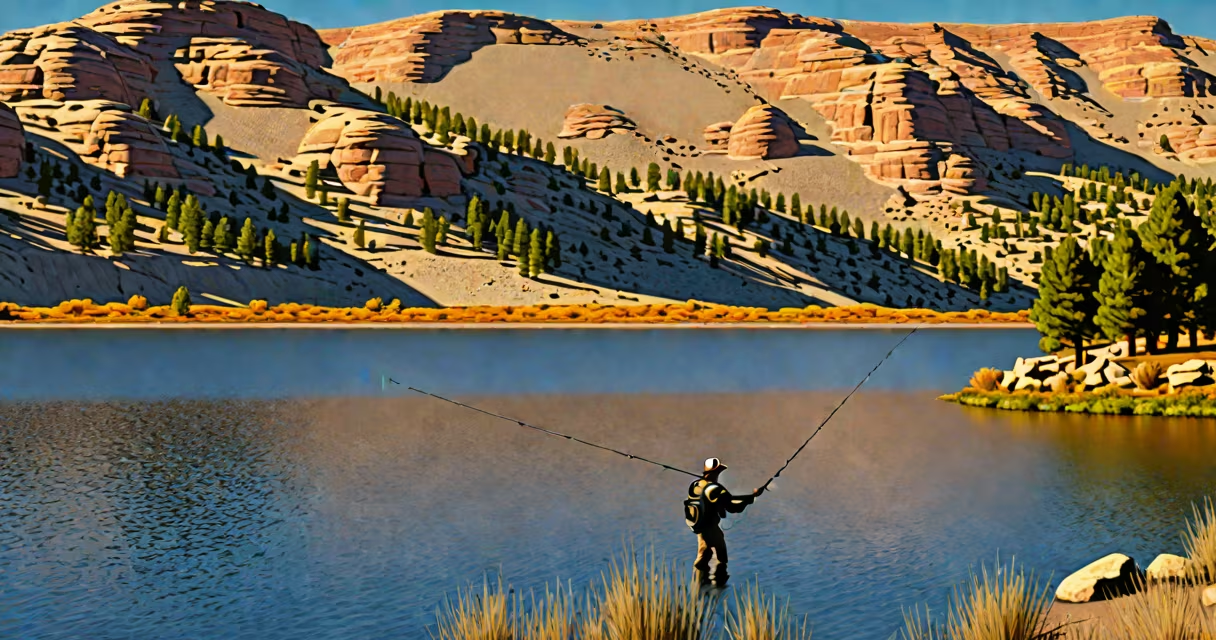
Twin Buttes Reservoir fishing involves targeting largemouth bass, smallmouth bass, channel catfish, and white bass in a 1,600-acre man-made lake near San Angelo, Texas. The reservoir's mix of shallow coves, submerged timber, and rocky banks creates ideal habitat for game fish. Water levels fluctuate seasonally, affecting access and fish behavior.
Managed by the U.S. Army Corps of Engineers, Twin Buttes Reservoir was completed in 1965 to control flooding and supply irrigation water. Its design includes two distinct basins connected by a narrow channel, giving rise to the name "Twin Buttes." The reservoir sits at approximately 1,400 feet above sea level, with average summer temperatures reaching 95°F. These conditions support a productive fishery, especially during spring and fall when water clarity improves and fish move into shallower zones.
Fishing access is available at multiple public boat ramps and picnic areas along FM 2014 and FM 167. The most popular entry point is the North Shore Access, which provides paved parking, restrooms, and a concrete launch. Anglers report consistent catches of largemouth bass weighing up to 10 pounds during spring spawning runs. Channel catfish averaging 5 to 8 pounds are common in deeper holes near the dam.
How Twin Buttes Reservoir Fishing Works
Fish in Twin Buttes Reservoir follow seasonal patterns driven by temperature and water level changes. Largemouth bass spawn in late March through April when water temperatures reach 65-70°F. During this period, they concentrate in shallow vegetated coves and rock piles. Anglers using topwater lures like buzzbaits and poppers see high success rates, particularly in early morning hours.
As summer progresses, water temperatures rise and oxygen levels drop in deeper zones. Fish retreat to cooler, shaded areas such as undercut banks and submerged brush piles. This shift favors finesse techniques like drop-shotting with soft plastics or slow-moving jigs. Water levels typically peak in late winter due to runoff from the Concho River watershed, then decline through summer and fall.
During drought years, water levels have dropped below 50% capacity, reducing available habitat. In 2021, the reservoir reached 42% of full pool, limiting access to certain coves. The Corps monitors levels daily and posts updates on their website. Anglers should check current conditions before planning trips, especially during dry seasons.
Types of Fishing and Equipment Used
Common fishing methods at Twin Buttes include casting, trolling, and still-fishing. Largemouth bass are often caught using crankbaits, spinnerbaits, and jig-and-paddle combinations. For catfish, anglers use cut bait or stink baits on heavy rods with 30-50 lb test line. White bass favor live shiners or spoons, especially during evening feeding periods.
| Fish Species | Best Time to Target | Recommended Lure/Technique | Typical Size Range |
|---|---|---|---|
| Largemouth Bass | Spring, Fall | Topwater, plastic worms, jigs | 3-10 lbs |
| Channel Catfish | Year-round, peak fall/winter | Cut bait, trotline, slip bobber | 5-8 lbs |
| White Bass | Spring, early summer | Spinning spoons, live minnows | 1-3 lbs |
One non-obvious fact: despite being a warmwater reservoir, Twin Buttes supports a stable population of smallmouth bass. These fish thrive in the rocky substrates near the dam and in the upper basin. Smallmouths grow slower than largemouths but can exceed 6 pounds. Their presence indicates good water quality and stable food chains.
Common Misconceptions and Confusions
Many anglers assume Twin Buttes Reservoir is primarily a bass lake. While largemouth bass dominate catch reports, channel catfish are actually the most frequently landed species by weight. A 2022 survey by the Texas Parks and Wildlife Department recorded 41% of all fish caught were catfish, compared to 33% largemouth bass.
Another misconception is that fishing is poor during summer months. While surface activity drops, deeper-water species remain accessible. Using a depth finder and downriggers allows anglers to locate suspended fish in 20-40 foot zones. In July 2023, a local angler caught a 7.6-pound channel cat using a weighted trotline at 35 feet deep.
Some visitors confuse Twin Buttes with nearby Lake Nasworthy, which lies less than 10 miles away. The two lakes share similar fish species but differ in structure and access. Lake Nasworthy has more shoreline development and higher boat traffic. Twin Buttes remains quieter, with fewer motorized boats permitted during peak seasons.
Real-World Example: A Successful Trip
In April 2023, I fished Twin Buttes Reservoir using a 7-foot medium-heavy spinning rod with a 6.3:1 gear ratio reel. I targeted a cove near the North Shore Access where water temperature was 68°F. My setup included a black-and-blue chatterbait with a trailer grub and a 1/4 oz jig head. After 45 minutes of casting and retrieving, I caught a 6.2-pound largemouth bass on the third cast.
The fish was released after photo documentation. I noted that the water clarity was moderate-about 3 feet visibility-and the sun was low, enhancing lure visibility. I used a GPS waypoint to mark the spot, which helped me return to the same area the next day. On day two, I caught two more bass between 4 and 5 pounds using the same technique.
This trip confirms that timing, location, and equipment choice directly impact results. Spring spawning patterns and early morning light increase strike rates. Even with consistent methods, success varies based on daily environmental shifts.
Why It Matters: Environmental and Recreational Value
Twin Buttes Reservoir supports both ecological balance and outdoor recreation. The Texas Parks and Wildlife Department conducts annual surveys to monitor fish populations and assess habitat health. In 2021, they reported a 12% increase in bass recruitment, indicating successful spawning and juvenile survival.
Recreational fishing contributes to local tourism. The city of San Angelo estimates $1.8 million in annual economic impact from fishing-related activities around Twin Buttes. This includes boat rentals, fuel sales, and guided trips. The reservoir also hosts youth fishing events and conservation education programs.
Twin Buttes Reservoir fishing delivers diverse opportunities across seasons and techniques. Success depends on understanding water dynamics, species behavior, and proper gear selection. With attention to detail and preparation, anglers can achieve consistent results in one of Texas's most productive inland fisheries.