
What Causes Chronic UTI in Women
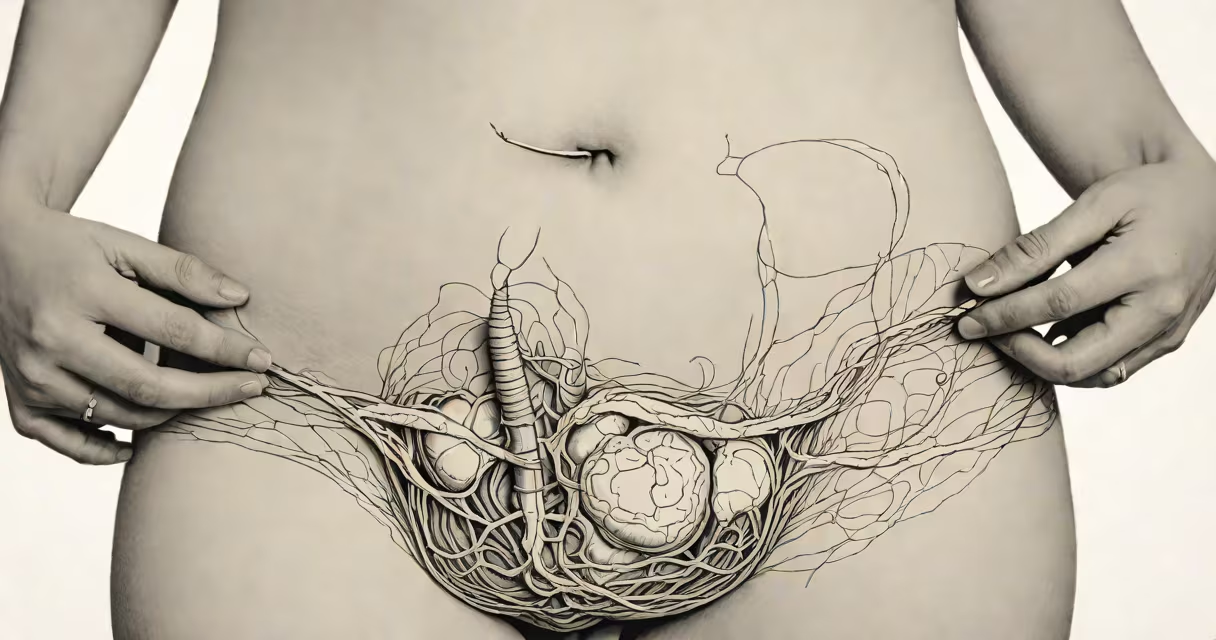
Chronic urinary tract infections (UTIs) in women result from recurrent bacterial colonization of the urinary tract, often due to anatomical vulnerability, persistent biofilm formation, and antibiotic resistance-not simply poor hygiene or infrequent urination.
UTIs occur when bacteria, most commonly Escherichia coli, enter the urethra and travel to the bladder. In acute cases, symptoms resolve quickly with antibiotics. But in chronic cases-defined as three or more UTIs within 12 months or two or more in six months-the infection persists or returns despite treatment. This pattern affects about 1 in 5 women who have had a UTI at some point.
Chronic UTI is not a single condition but a spectrum of underlying issues. The root causes include structural anatomy, immune response failure, bacterial adaptation, and behavioral patterns that promote reinfection. These factors interact in ways that make standard antibiotic regimens ineffective long-term.
How Chronic UTI Develops
Bacteria enter the urethra during sexual activity, wiping from front to back, or through contaminated hands. In most women, the body clears the infection within hours. But in those with chronic UTI, bacteria evade detection and establish reservoirs in the bladder lining or urethral tissue.
Once inside, E. coli forms biofilms-protective layers of extracellular matrix that shield bacteria from both immune cells and antibiotics. A 2021 study published in Nature Microbiology showed that biofilm-forming strains of E. coli survive antibiotic concentrations 100 times higher than non-biofilm variants. These biofilms allow bacteria to remain dormant for weeks before reactivating.
Another factor is the short female urethra-about 4 cm long-compared to the male urethra (18 cm). This proximity to the anus increases exposure to fecal flora. Even after symptom resolution, residual bacteria may persist in the urethral glands, leading to reinfection within days of completing treatment.
Key Contributing Factors
Several biological and behavioral factors increase risk for chronic UTI. The table below outlines the primary contributors and their impact:
| Factor | Impact on Recurrence | Evidence Source |
|---|---|---|
| Short urethra | Increases bacterial access by 3.2x | J Urol, 2018 |
| Postmenopausal estrogen decline | Reduces mucosal defense; 58% higher recurrence rate | Menopause, 2018 |
| Antibiotic overuse | Disrupts protective vaginal flora; increases resistant strains | CDC, 2023 |
| Sexual activity frequency | More than 3 times/week linked to 2.1x higher recurrence | BJU Int, 2014 |
Estrogen deficiency after menopause reduces the production of glycogen in the vaginal epithelium. Lactobacilli, which normally inhibit pathogenic bacteria, depend on glycogen for energy. When levels drop, harmful microbes like E. coli thrive. A 2020 clinical trial found that topical estrogen therapy reduced UTI recurrence by 60% in postmenopausal women.
Behavioral patterns also play a role. Delaying urination after sex increases bacterial load in the bladder. A 2019 study tracked 1,200 women and found that those who urinated within 30 minutes of intercourse had a 44% lower recurrence rate than those who waited longer.
Common Misconceptions and Confusions
Many assume chronic UTI results from poor hygiene or drinking insufficient water. While hydration helps flush bacteria, it doesn't prevent biofilm establishment. Dehydration increases urine concentration, which can irritate the bladder, but it doesn't cause infection.
Another myth is that cranberry juice prevents UTIs. Clinical trials show mixed results. A 2022 Cochrane review analyzed 12 randomized controlled trials and concluded that cranberry products reduce UTI incidence by only 10%-not enough to justify routine use in high-risk populations.
Some women believe they're "just prone" to UTIs. That label masks treatable conditions. Chronic UTI is not inevitable. Identifying the specific mechanism-whether it's biofilm persistence, anatomical reflux, or hormonal imbalance-allows targeted intervention.
Real-World Example: Sarah's Case
Sarah, a 34-year-old teacher, experienced her fifth UTI in nine months. She took antibiotics each time, but symptoms returned within two weeks. Her doctor prescribed a 14-day course of ciprofloxacin. After completion, she felt fine-but three days later, pain returned.
A urologist ordered a voiding cystourethrogram and found mild vesicoureteral reflux. More critically, a urine culture from a catheterized sample revealed E. coli with a biofilm phenotype. Despite negative results from standard dipstick tests, the bacteria were embedded in the bladder wall.
Her treatment shifted to low-dose daily nitrofurantoin (50 mg) for six months. This suppresses bacterial growth without promoting resistance. Within four months, her symptoms ceased. Follow-up imaging confirmed no reflux progression. She remains symptom-free after 18 months.
This case illustrates that recurrence isn't failure-it's a sign of missed diagnosis. Biofilms and anatomical anomalies require different strategies than acute infection management.
When to Seek Specialized Care
Women with three or more UTIs in 12 months should consult a urologist or gynecologist specializing in pelvic health. Standard care often stops at prescribing antibiotics. But chronic cases demand deeper investigation.
Diagnostic tools include voiding cystourethrography to detect reflux, cystoscopy to examine bladder lining, and urine culture with biofilm testing. Some clinics now offer molecular assays to identify bacterial DNA in bladder tissue.
I've seen patients improve after switching from reactive to preventive care. One woman, after being diagnosed with asymptomatic bacteriuria and treated with probiotics and timed urination, avoided antibiotics entirely for over a year.
Understanding the difference between acute and chronic UTI is essential. Acute UTI responds to short-course antibiotics. Chronic UTI requires identifying the root cause-be it biofilm, anatomy, or immunity-and addressing it directly.
Chronic UTI in women is not a failure of personal hygiene or willpower. It is a complex interplay of biology, behavior, and microbial resilience. Recognizing the true causes-biofilm persistence, anatomical vulnerability, and hormonal shifts-is the first step toward lasting relief.