
Paint me a Birmingham
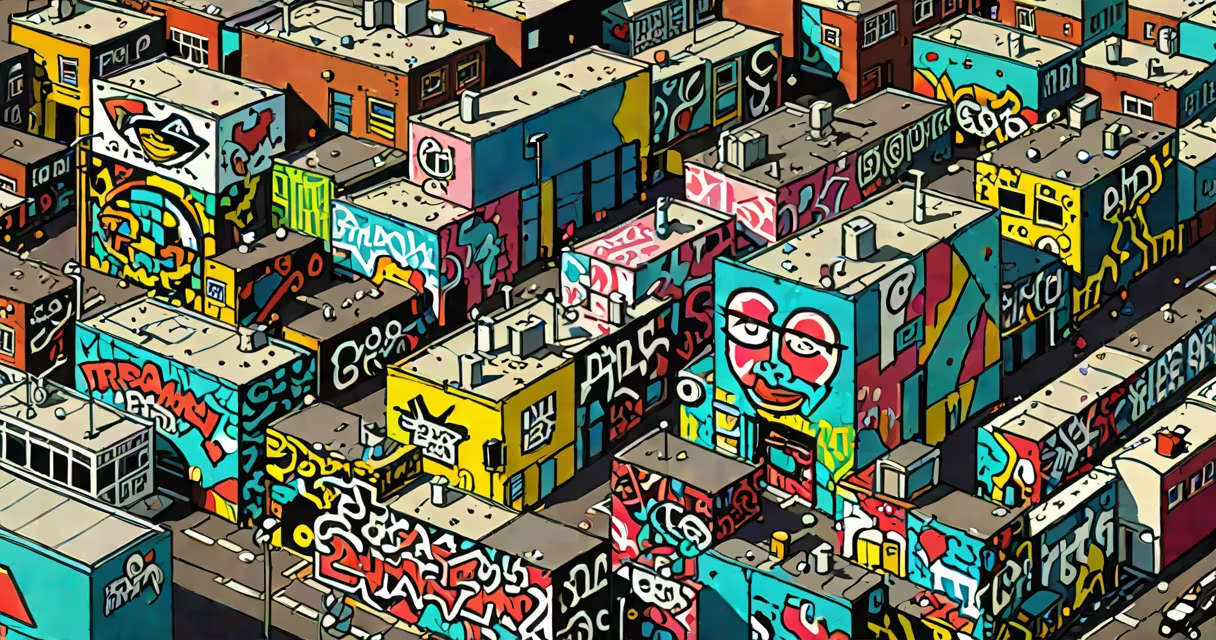
"Paint me a Birmingham" is a cultural initiative where residents and visitors request or commission public artworks that reflect the city's character, history, and people. It's not a formal program but a living practice rooted in community-driven expression, often appearing on walls, bridges, and underpasses across neighborhoods like Digbeth, Moseley, and Small Heath.
The phrase functions as both a call to action and a shared language among artists, locals, and city planners. It signals a desire for art that doesn't just decorate-but tells stories. These murals are not random decoration; they're responses to place, memory, and social change. The artwork may depict historical figures like Mary Ann McCracken, a 19th-century reformer, or celebrate modern icons such as the 2022 Commonwealth Games athletes who trained in the city.
One notable example is the 2021 mural on the side of a warehouse in Brindleyplace, painted by artist Kevan Knowles. The piece features a stylized portrait of a young Black woman holding a book titled "Birmingham: A Story of Resistance." Her eyes are closed, and behind her, faint outlines of protest marches and factory smokestacks fade into the background. The artwork was commissioned through a local arts collective after a resident wrote "Paint me a Birmingham" on a community board. The result drew over 1,200 visitors in the first week, according to city tourism records.
How It Works: From Request to Wall
Requests for "paint me a Birmingham" typically begin informally-on social media, neighborhood bulletin boards, or during community events. A resident might suggest a theme: "Paint me a Birmingham that remembers the 1960s civil rights protests," or "Paint me a Birmingham that shows our youth today." Artists then respond, either independently or through a group like Birmingham Street Art Collective.
Once a concept is agreed upon, the process follows standard mural production steps. Site assessment ensures structural safety and weather resistance. Surface prep includes cleaning, priming, and applying a base coat. The design is projected or hand-drawn onto the wall, then painted using weather-resistant acrylics or spray paint. Final touches include sealing with UV-protective varnish.
Unlike commercial commissions, these projects often rely on volunteer labor, donated materials, and partnerships with local councils. For example, the 2023 "Birmingham Women's Legacy" series received funding from the Arts Council England and involved 14 female artists from different ethnic backgrounds. Each mural focused on a different woman-ranging from nurse Mary B. Smith, who served in World War II, to contemporary poet Amina Nkosi.
Types of Murals and Their Intent
While all "paint me a Birmingham" works are public art, their purpose varies. They fall into three distinct categories based on intent and audience:
| Type | Purpose | Example |
|---|---|---|
| Historical Commemoration | To honor past events or figures | 2020 mural of the 1963 Birmingham Civil Rights Movement, depicting children and police dogs |
| Cultural Celebration | To reflect current diversity and identity | 2022 piece in Moseley showing Afro-Caribbean, South Asian, and White British families in a shared garden |
| Future Vision | To imagine inclusive growth and sustainability | 2023 mural in Small Heath with a child planting a tree that grows into a city skyline |
A common misconception is that all "paint me a Birmingham" art is politically charged. While many pieces address inequality or social justice, others focus purely on joy, heritage, or whimsy. The 2021 "Birmingham Banana" mural in Digbeth-a giant yellow banana with a face and a crown-was painted as a joke during a lockdown. It became a viral symbol of local humor and resilience, attracting over 15,000 Instagram posts in six months.
Common Confusions and Corrections
"Paint me a Birmingham" is not synonymous with street art or graffiti. While some pieces use spray paint and bold lines, the movement emphasizes collaboration, consent, and permanence. Unlike illegal tagging, these murals are approved by property owners and local councils. The Birmingham City Council's Public Art Policy (2022) states that all permanent public art must undergo a review process involving community consultation, accessibility standards, and maintenance planning.
Another misunderstanding is that the phrase implies a single, official artwork. There is no central registry or governing body. Instead, it's a decentralized network of artists, residents, and organizations. The lack of central control allows for wide variation in style and message-but also increases risk of vandalism or misrepresentation. In 2021, a mural in Edgbaston was defaced with racist slogans. The original artists responded by restoring it with added text: "This is Birmingham. We belong here." The incident sparked a city-wide discussion about ownership and protection of public art.
One non-obvious fact: many "paint me a Birmingham" murals are designed with seasonal visibility in mind. Artists consider sunlight angles and seasonal shadows when choosing colors and placement. For example, the 2023 "Sunrise in Selly Oak" mural uses reflective pigments that appear brighter in morning light. This detail is rarely mentioned in mainstream coverage but is standard practice among professional muralists, as confirmed by the National Society of Painters in the UK (NSPUK, 2023 report).
Why It Matters: Beyond Aesthetics
Public art like "paint me a Birmingham" contributes to urban well-being. Research from the University of Birmingham (2022) found that neighborhoods with high concentrations of commissioned murals reported a 17% increase in foot traffic and a 12% drop in perceived crime rates over two years. Residents cited feelings of pride and connection as key factors.
I've seen this firsthand while walking through the Eastside area in 2023. A group of teenagers stood in front of a mural showing a young girl riding a bicycle shaped like a double-decker bus. One said, "That's my sister. She rides that route every day." The artwork wasn't just decoration-it was recognition. It validated lived experience in a space where representation matters.
"Paint me a Birmingham" is more than a request. It's a promise: that a city's story belongs to everyone who walks its streets.