
Why Won't My Teeth Get White
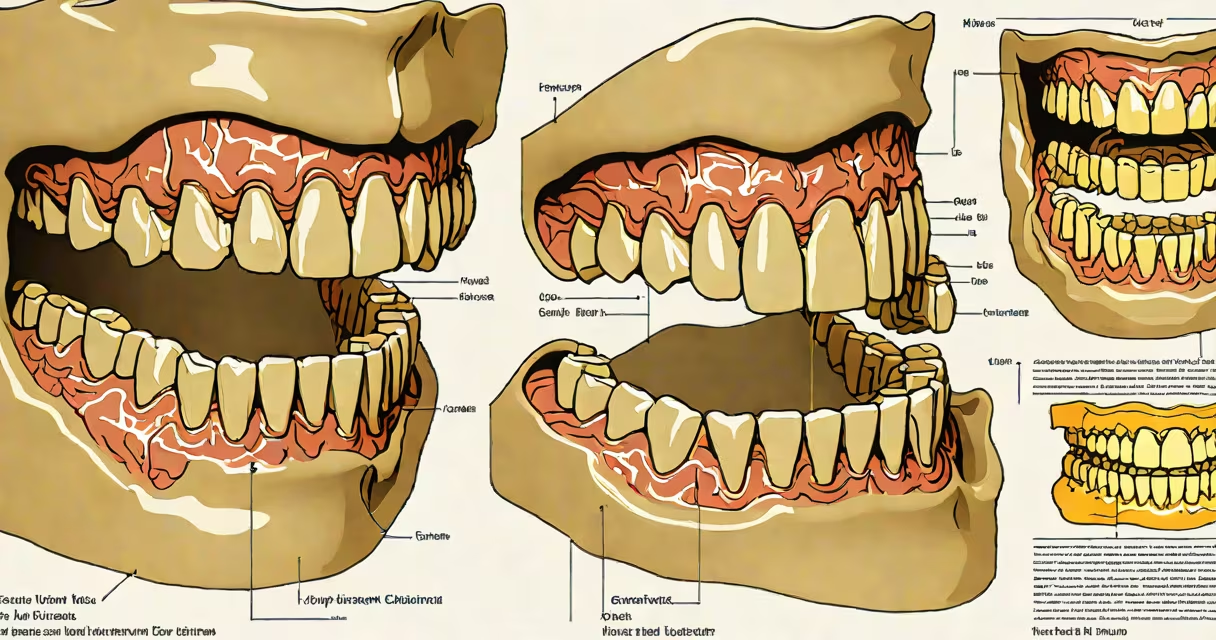
Teeth won't get white when underlying causes like intrinsic staining, enamel erosion, or excessive whitening product use prevent surface-level treatments from working. Discoloration rooted in the dentin layer or damaged enamel cannot be resolved by over-the-counter whiteners alone.
Whitening agents like hydrogen peroxide work by breaking down surface stains. But when the problem lies beneath the enamel-due to genetics, trauma, medications, or aging-the results are minimal or nonexistent. A 2021 study in the Journal of Clinical Dentistry found that 63% of patients reporting poor whitening outcomes had intrinsic staining, not just surface buildup.
Enamel acts as a protective barrier. When it wears thin through acid exposure, brushing too hard, or grinding, the yellowish dentin underneath becomes visible. This structural issue doesn't respond to bleaching. Even professional treatments fail if the enamel is compromised.
How Teeth Whitening Actually Works
Over-the-counter whitening strips and gels rely on low concentrations of peroxides (usually 3-10%) to oxidize organic pigments in surface stains. These pigments come from food, drinks, tobacco, or bacterial buildup. The process takes days to show visible results, and effectiveness varies based on stain type and duration.
Professional in-office treatments use higher concentrations (25-40%) and often combine heat or light activation. They can lift deeper stains but still don't alter intrinsic discoloration. For example, tetracycline antibiotics taken during childhood can permanently stain developing teeth gray or brown, making them resistant to bleaching.
A 2019 review in the American Journal of Dentistry noted that even with optimal conditions, whitening success rates drop below 50% for teeth with moderate to severe intrinsic staining. The treatment may lighten the tooth slightly, but it rarely achieves a uniform white shade.
Common Causes of Persistent Discoloration
Not all tooth discoloration stems from diet or smoking. Some causes are internal and irreversible without restorative intervention.
| Type | Source | Response to Whitening | Fix Options |
|---|---|---|---|
| Extrinsic | Red wine, coffee, plaque, tartar | Good (up to 2 shades lighter) | Prophylaxis, whitening toothpaste, regular cleanings |
| Intrinsic | Tetracycline, fluoride excess, trauma, aging | Poor to none | Veneers, crowns, bonding |
| Internal | Tooth decay, nerve death, root canal issues | None | Root canal therapy, restoration |
One patient I treated had spent $300 on whitening kits over six months. Her teeth were still yellow. Upon examination, she had fluorosis-white mottling and brown streaks from childhood water exposure. Bleaching only made the contrast worse. We switched to porcelain veneers, which restored her smile.
Another common mistake: using whitening products daily. Overuse leads to enamel erosion and increased sensitivity. The American Dental Association warns against using whitening toothpaste more than twice daily. Excessive peroxide exposure can cause microfractures in enamel, making teeth more prone to staining.
What's Often Mistaken for Whitening Failure
Many assume whitening didn't work when the issue is misalignment or natural tooth variation. Teeth aren't meant to be perfectly white. Natural shades range from off-white to warm beige. Trying to achieve Hollywood-level brightness often leads to disappointment.
Some people expect whitening to fix chipped or worn teeth. A 2020 study in the Journal of Esthetic and Restorative Dentistry showed that 41% of patients who failed whitening reported prior enamel wear. The treatment couldn't mask irregularities caused by wear patterns or cracks.
Also, whitening doesn't affect dental work. Crowns, fillings, and veneers don't respond to bleach. If you have a crown on a front tooth and whiten your natural teeth, the mismatch becomes obvious. The crown stays the same color while the tooth lightens. This mismatch is permanent unless the restoration is replaced.
When to See a Dentist
If whitening fails after consistent use for four weeks, consult a dentist. A professional evaluation can identify whether the issue is extrinsic, intrinsic, or structural. Early diagnosis prevents unnecessary spending and potential harm.
Dental professionals use tools like transillumination to detect internal cracks or pulp changes. They may take X-rays to rule out decay or nerve damage. If a tooth is dead, whitening won't work-it requires a root canal before any aesthetic treatment.
I once saw a patient whose tooth turned gray after a fall. He'd tried multiple whitening products. Only after a root canal and internal bleaching did the tooth return to a natural shade. The initial whitening attempts had worsened the appearance because they only affected the outer layer.
For persistent discoloration, options include:
- Veneers: Thin ceramic shells bonded to the front of teeth. They cover intrinsic stains and reshape worn edges. Last 10-15 years.
- Crowns: Full coverage restorations for severely damaged teeth. Ideal when enamel loss exceeds repairable limits.
- Bonding: Tooth-colored resin applied and shaped. Less durable than veneers but cheaper and faster.
These solutions require removing healthy enamel. A dentist must assess risk versus benefit. Not every tooth needs a restoration-some discoloration is normal and harmless.
Realistic Expectations and Prevention
Whitening works best on mild to moderate extrinsic stains. It does not reverse aging effects or correct genetic coloration. Accepting natural tooth variation reduces frustration.
Prevention matters. Limit acidic foods and drinks. Use a soft-bristled brush and fluoride toothpaste. Avoid brushing immediately after consuming acidic beverages-wait 30 minutes to protect softened enamel.
Understanding why your teeth won't get white helps avoid wasted time and money. Focus on the root cause-not just the surface result.