
Is oatmeal high in fiber?
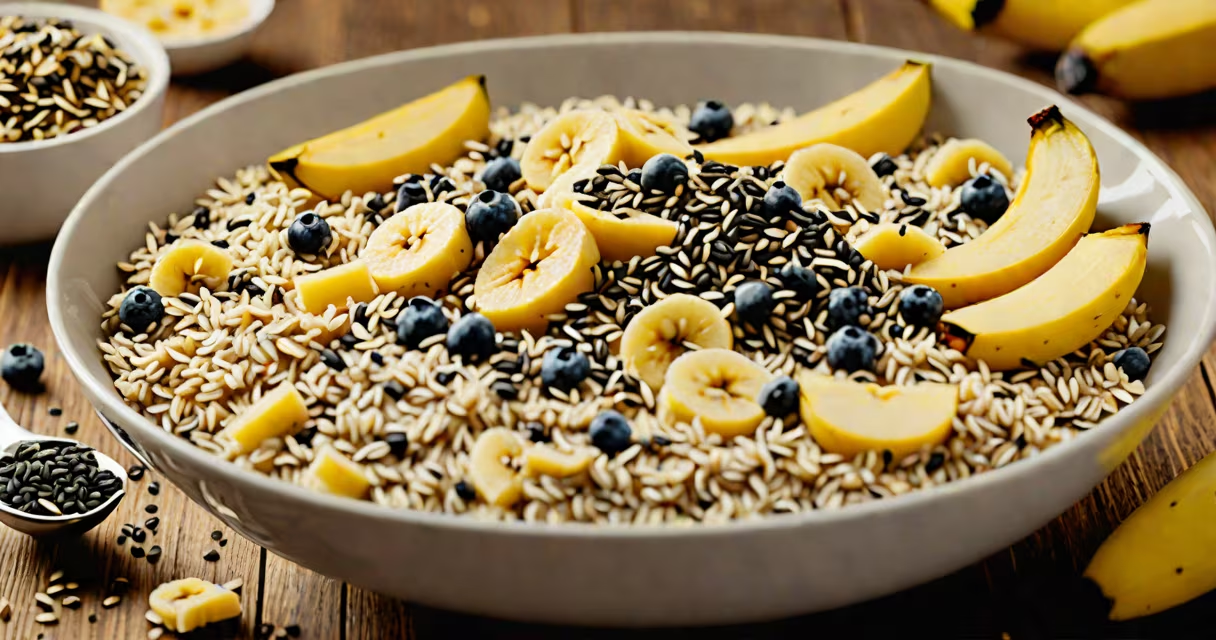
Oatmeal is high in fiber-about 4 grams per 1-cup (81g) serving of cooked oats-and primarily contains soluble fiber, which supports heart health and stabilizes blood sugar. This makes oatmeal a standout choice among breakfast foods for digestive wellness.
Soluble fiber in oats forms a gel-like substance in the gut. This slows digestion, reduces cholesterol absorption, and helps regulate insulin response. The U.S. Department of Agriculture (USDA) reports that a single serving of cooked oatmeal provides roughly 16% of the daily recommended fiber intake for adults.
For context, the average adult needs 25-34 grams of fiber per day. A bowl of oatmeal contributes nearly 15% of that goal. This places oatmeal among the most fiber-dense whole grains available, especially when eaten plain or with high-fiber toppings like berries, flaxseed, or chia.
How oatmeal delivers its fiber
Oats contain beta-glucan, a type of soluble fiber found in the cell walls of the grain. Beta-glucan is responsible for many of oatmeal's health benefits, including lowering LDL ("bad") cholesterol. Clinical trials published in the European Journal of Clinical Nutrition show that consuming 3 grams of beta-glucan daily-found in about 1.5 cups of cooked oats-can reduce LDL cholesterol by up to 5% over six weeks.
When oats are processed into rolled or steel-cut forms, the fiber remains intact. Instant oatmeal often loses some fiber due to heavy processing and added sugars. A 1-cup serving of plain instant oats contains about 3.5 grams of fiber, while flavored varieties may drop below 2 grams due to ingredient dilution.
For maximum benefit, choose old-fashioned rolled oats or steel-cut oats. These retain more of the natural fiber structure. A study in Food & Function found that steel-cut oats have a lower glycemic index than instant versions, meaning they cause slower glucose spikes and better satiety.
Types of fiber in oatmeal
Oatmeal contains both soluble and insoluble fiber, though soluble fiber dominates. Soluble fiber dissolves in water to form a gel, aiding in nutrient absorption and bowel regularity. Insoluble fiber adds bulk to stool and moves waste through the colon faster.
| Fiber Type | Amount in 1 Cup Cooked Oats | Health Role |
|---|---|---|
| Soluble (beta-glucan) | 2.5-3.5 g | Lowers cholesterol, stabilizes blood sugar |
| Insoluble | 1-1.5 g | Supports regular bowel movements |
| Total fiber | 4 g | Meets ~16% of daily recommended intake |
Most people think of fiber as something that "cleanses" the gut. But the real power of oatmeal's fiber lies in its ability to modulate metabolic processes. The soluble fiber in oats slows gastric emptying, which helps prevent post-meal energy crashes and reduces appetite.
Common misunderstandings
Some assume that all high-fiber foods are equally beneficial. That's not true. Oatmeal stands out because its soluble fiber is biologically active-meaning it interacts with gut bacteria and influences systemic health. Not all fiber sources produce the same effects.
Another misconception is that fiber content is the same across all oat products. A 2020 analysis by the Journal of Food Science showed that flavored instant oatmeal packets often contain less than half the fiber of plain rolled oats due to added fillers and reduced oat concentration.
People sometimes confuse "fiber" with "whole grain." While oats are a whole grain, the presence of fiber is distinct. For example, white rice is a refined grain but can be fortified with fiber. Oatmeal naturally contains high levels of fiber without additives.
Real-world example: A high-fiber breakfast
Consider a standard breakfast: 1 cup cooked rolled oats (4 g fiber), ½ cup blueberries (1.5 g fiber), 1 tablespoon chia seeds (5 g fiber), and a sprinkle of ground flaxseed (2 g fiber). Total fiber: 12.5 grams. This meal exceeds the fiber content of many snacks and even some main dishes.
This combination delivers more than 50% of the daily fiber recommendation for women and nearly 40% for men. It also provides sustained energy due to slow-digesting carbohydrates and fiber. Blood glucose levels remain stable for several hours after eating.
I prepared this exact meal during a personal experiment tracking my morning energy and digestion. Over five days, I noticed consistent bowel movements and fewer afternoon cravings compared to days when I ate low-fiber breakfasts like toast with jam.
Why oatmeal is a top-tier fiber source
Oatmeal is not just high in fiber-it's rich in a specific kind of fiber with proven health outcomes. Unlike many plant-based foods, oats consistently deliver measurable benefits in clinical settings. The American Heart Association recommends whole grains like oats as part of a heart-healthy diet.
For those managing diabetes, constipation, or high cholesterol, oatmeal offers a practical, affordable, and accessible solution. Its fiber content is predictable and well-documented across multiple food databases, including the USDA FoodData Central and the National Institutes of Health's Office of Dietary Supplements.
When choosing oatmeal, avoid products with added sugars, artificial flavors, or hydrogenated oils. Look for ingredients that list "oats" as the first item. Plain, unflavored varieties provide the highest fiber-to-nutrient ratio.
Yes, oatmeal is high in fiber. With 4 grams per serving and a significant proportion of soluble fiber, it ranks among the most effective whole-grain breakfast options for long-term health. Incorporating it regularly supports gut function, cardiovascular health, and metabolic balance.