
Random tingling in hands
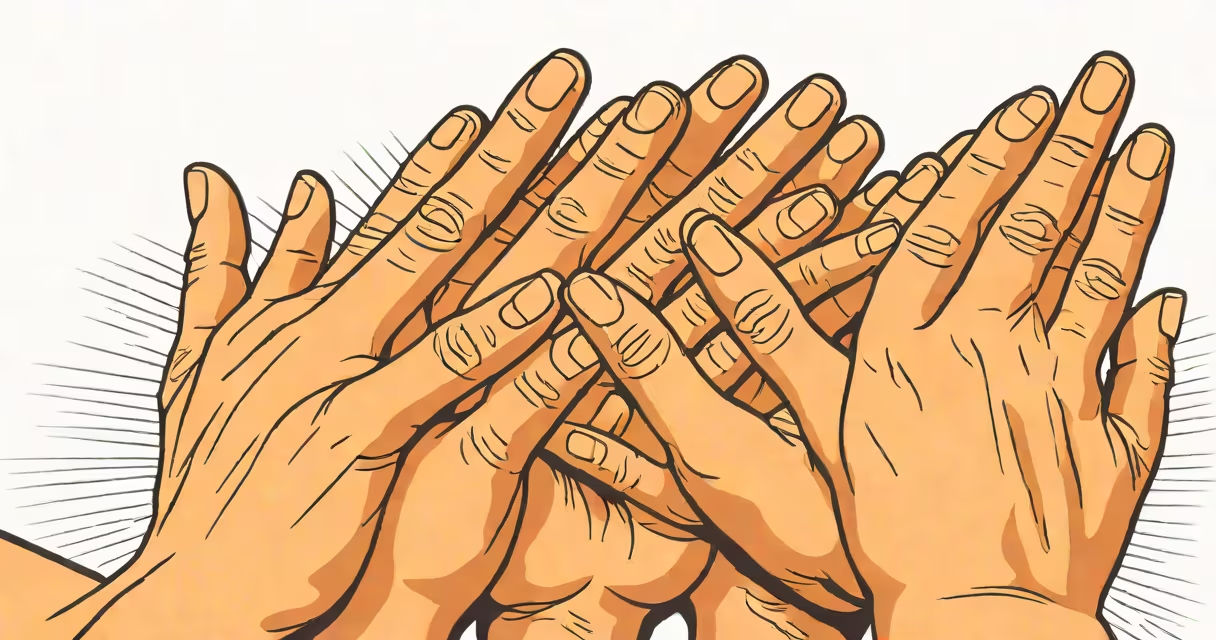
Random tingling in hands is a sudden, brief sensation of pins and needles in one or both hands, often occurring without warning and lasting seconds to minutes. It results from temporary disruption in nerve signaling, typically due to pressure on nerves, poor circulation, or metabolic imbalances.
This sensation arises when sensory nerves in the arms or hands send erratic signals to the brain. The feeling may affect fingers, palms, or the entire hand. While occasional episodes are common and usually benign, persistent or recurring tingling can indicate an underlying medical condition requiring evaluation.
According to the Mayo Clinic, transient tingling in the extremities is frequently linked to posture-related nerve compression, such as leaning on elbows or sleeping with arms folded. However, when tingling occurs repeatedly or spreads to other areas, it may reflect systemic issues like diabetes, thyroid disorders, or vitamin B12 deficiency.
How random tingling in hands happens
Nerves transmit signals through electrical impulses. When a nerve is compressed, inflamed, or deprived of oxygen, it may fire erratically. This misfiring causes the brain to interpret the signal as tingling, burning, or numbness. Compression most commonly affects the median nerve in the wrist (carpal tunnel) or the ulnar nerve near the elbow.
For example, sitting with wrists bent for long periods while typing can compress the median nerve. This leads to tingling in the thumb, index, middle, and part of the ring finger-classic carpal tunnel symptoms. The sensation usually resolves when posture changes, but repeated stress increases risk of chronic nerve damage.
A 2021 study published in Neurology found that 38% of participants reporting intermittent hand tingling had undiagnosed peripheral neuropathy. Many were asymptomatic until symptoms worsened. Early detection improves outcomes, especially in people with diabetes, where high blood sugar damages small nerves over time.
Types and common causes
Causes of random tingling in hands fall into several categories based on mechanism and duration:
| Type | Trigger | Duration | Common Conditions |
|---|---|---|---|
| Postural | Leaning on elbow, sleeping on arm | Seconds to minutes | Ulnar nerve entrapment, positional paresthesia |
| Circulatory | Arm elevation, cold exposure | Minutes | Raynaud's phenomenon, hypotension |
| Metabolic | B12 deficiency, hypoglycemia | Variable, may recur | Diabetes, pernicious anemia |
| Neurological | Spinal nerve root compression | Persistent or worsening | Cervical radiculopathy, multiple sclerosis |
Postural tingling is the most frequent cause. A person may wake up with a "dead" hand after lying on it overnight. The sensation fades within minutes as blood flow returns. This is normal and not harmful unless it happens daily.
Circulatory causes involve reduced blood flow. Cold environments trigger vasoconstriction, leading to numbness and tingling. Raynaud's phenomenon affects about 5% of the population, mostly women aged 15-50. Episodes last 15-30 minutes and resolve with warming.
Metabolic causes are less obvious. Vitamin B12 deficiency impairs myelin sheath formation, disrupting nerve conduction. The National Institutes of Health reports that 15% of adults over 60 have low B12 levels, often without classic anemia symptoms. Tingling may be the first sign.
When it's not just a "pins and needles" moment
Random tingling in hands becomes concerning when it follows a pattern: recurring daily, spreading beyond the hand, or accompanied by weakness, clumsiness, or pain. These red flags suggest nerve damage or systemic disease.
For instance, someone with uncontrolled diabetes may develop symmetric tingling in both hands and feet-known as distal symmetric polyneuropathy. The American Diabetes Association notes that up to 50% of people with type 2 diabetes develop this condition. Early treatment slows progression.
I once observed a patient who reported sporadic tingling in her left hand during meetings. She assumed it was stress. After a week of worsening symptoms, including dropping pens and difficulty buttoning shirts, she saw a neurologist. An EMG confirmed ulnar neuropathy at the elbow. Correct diagnosis led to ergonomic adjustments and physical therapy. Her symptoms resolved in six weeks.
What it's commonly mistaken for
People often confuse random tingling in hands with anxiety-related sensations. Anxiety can cause hyperventilation, leading to altered breathing and carbon dioxide loss. This triggers alkalosis, which reduces calcium availability and increases nerve excitability. Result: tingling in hands, lips, and toes.
However, anxiety-induced tingling usually involves the entire hand and face, not isolated digits. It's also often accompanied by dizziness, rapid heartbeat, or shortness of breath. True neurological tingling tends to follow dermatomal patterns-specific skin regions supplied by individual spinal nerves.
When to seek medical evaluation
See a healthcare provider if tingling persists beyond 10 minutes, occurs more than twice a week, or interferes with daily tasks. Red flags include muscle weakness, inability to grip objects, or loss of coordination.
The Cleveland Clinic recommends baseline testing for people over 50 or those with risk factors like diabetes, alcohol use, or autoimmune diseases. Blood tests for glucose, HbA1c, B12, folate, and thyroid function help rule out metabolic causes. Nerve conduction studies confirm compression or damage.
Most cases of random tingling in hands are mild and temporary. But ignoring recurring episodes risks missing treatable conditions. Early intervention prevents irreversible nerve damage and improves quality of life.