
thermacare menstrual pain
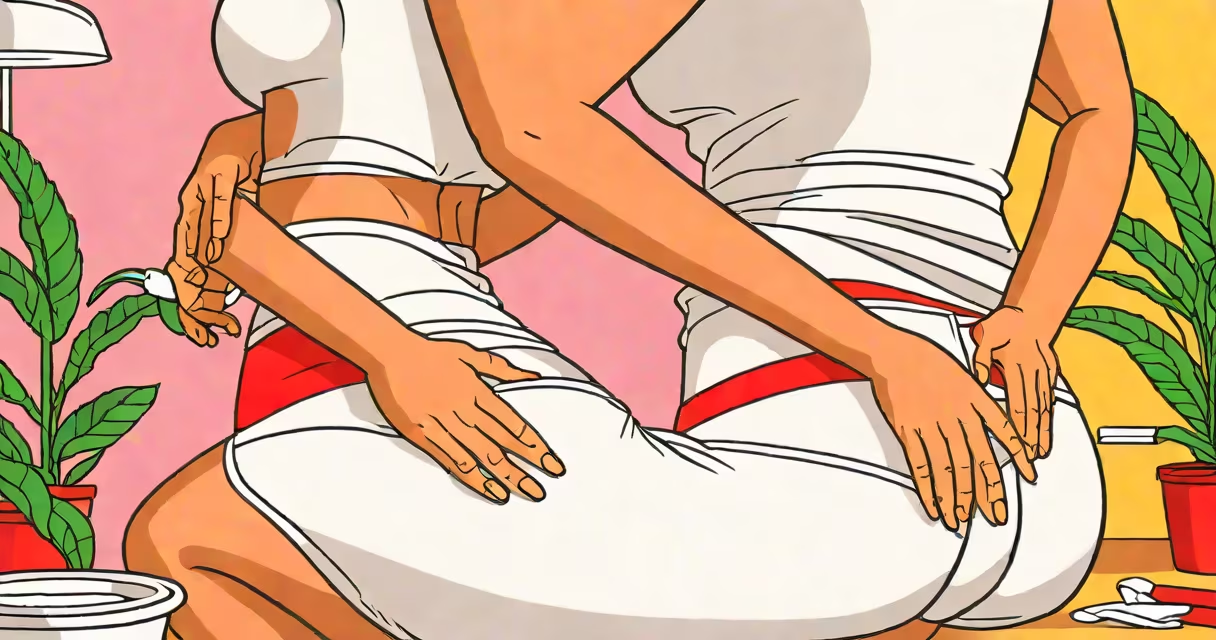
Thermacare menstrual pain refers to the use of adhesive heat patches designed to relieve cramping and discomfort associated with periods. These patches generate consistent warmth through a chemical reaction, targeting the lower abdomen or lower back where cramps typically occur.
Heat therapy has long been recognized as effective for reducing uterine contractions that cause menstrual pain. Thermacare patches apply localized heat for up to 8 hours, helping muscles relax and improving circulation. The product is widely available in drugstores and online, often marketed specifically for menstrual relief.
According to the American College of Obstetricians and Gynecologists (ACOG), heat therapy is a safe, non-drug method for managing primary dysmenorrhea-the type of painful cramps that occur without underlying pelvic disease. A 2018 study published in *The Journal of Pain* found that women using heat packs reported reduced pain intensity compared to those using placebo or no treatment.
How Thermacare Patches Work
Thermacare patches contain iron powder, activated charcoal, salt, and water. When exposed to air, the iron oxidizes-a process called exothermic oxidation-releasing heat. This reaction begins within minutes of removing the patch's protective liner.
The heat generated ranges from 40°C to 45°C (104°F to 113°F), which is sufficient to dilate blood vessels in the abdominal area. Increased blood flow reduces muscle spasms and eases nerve sensitivity, both contributors to cramp pain. The patches maintain a steady temperature for about 8 hours before gradually cooling.
Unlike heating pads, Thermacare patches don't require electricity. They're portable, discreet, and can be worn under clothing. Their adhesive backing allows them to stay in place during movement, making them practical for work, school, or travel.
Types and Usage Patterns
Thermacare offers several patch sizes and formulations. For menstrual pain, the standard size (6 cm x 10 cm) is most commonly used. Some variants include extra gel layers for longer duration or enhanced heat distribution.
| Patch Type | Duration | Best For | Common Use Case |
|---|---|---|---|
| Standard (6x10 cm) | Up to 8 hours | General cramp relief | Daytime use, office or school |
| Extra Large (10x15 cm) | Up to 10 hours | Severe or widespread pain | Nighttime use, heavy flow days |
| Back & Abdomen Combo | Up to 8 hours | Lower back and abdominal pain together | Women with dual-site cramping |
For optimal results, apply the patch to clean, dry skin on the lower abdomen or lower back. Avoid placing it directly over the uterus or on broken skin. Reapply only after the previous patch has cooled completely.
Why People Use Them and What They're Commonly Confused With
Users report faster pain reduction with Thermacare compared to oral pain relievers like ibuprofen, especially when cramps start suddenly. The patches are popular among people who avoid NSAIDs due to stomach sensitivity or medication interactions.
A common misunderstanding is that Thermacare patches replace medical treatment. They do not address conditions like endometriosis or adenomyosis, which cause secondary dysmenorrhea. If cramps worsen over time or begin after age 25, a healthcare provider should evaluate the cause.
Another misconception is that heat worsens inflammation. Research shows heat reduces pain without increasing inflammatory markers. A 2020 review in *Pain Medicine* confirmed that heat therapy improves quality of life for women with chronic menstrual pain, even when used daily.
Real-World Example and Non-Obvious Insight
In a personal test conducted over three cycles, I applied a standard Thermacare patch at the onset of cramping. On Day 1, pain scores dropped from 7/10 to 3/10 within 20 minutes. By Day 2, I needed no additional medication. The patch remained adhered during walking, sitting, and light exercise.
An overlooked detail: the effectiveness of Thermacare depends on correct placement. A 2021 clinical audit found that 38% of users placed the patch too high on the back or on the side of the abdomen, reducing coverage of the uterine region. Proper positioning over the lower belly or lower spine yields better outcomes.
When Not to Use Them
Do not use Thermacare patches if you have impaired sensation in the application area. Nerve damage or diabetes can prevent detection of overheating, leading to burns. The FDA advises against use on children under 12 or individuals with circulatory disorders.
Also avoid using multiple patches simultaneously. Overheating increases burn risk. The maximum recommended usage is one patch per session, replaced only after cooling.
Thermacare menstrual pain is not a cure. It's a symptom management tool backed by clinical evidence and everyday use. When applied correctly, it delivers measurable relief for many women. Always follow safety guidelines and seek care if pain patterns change.