
What Can Cause Hemoglobin to Drop
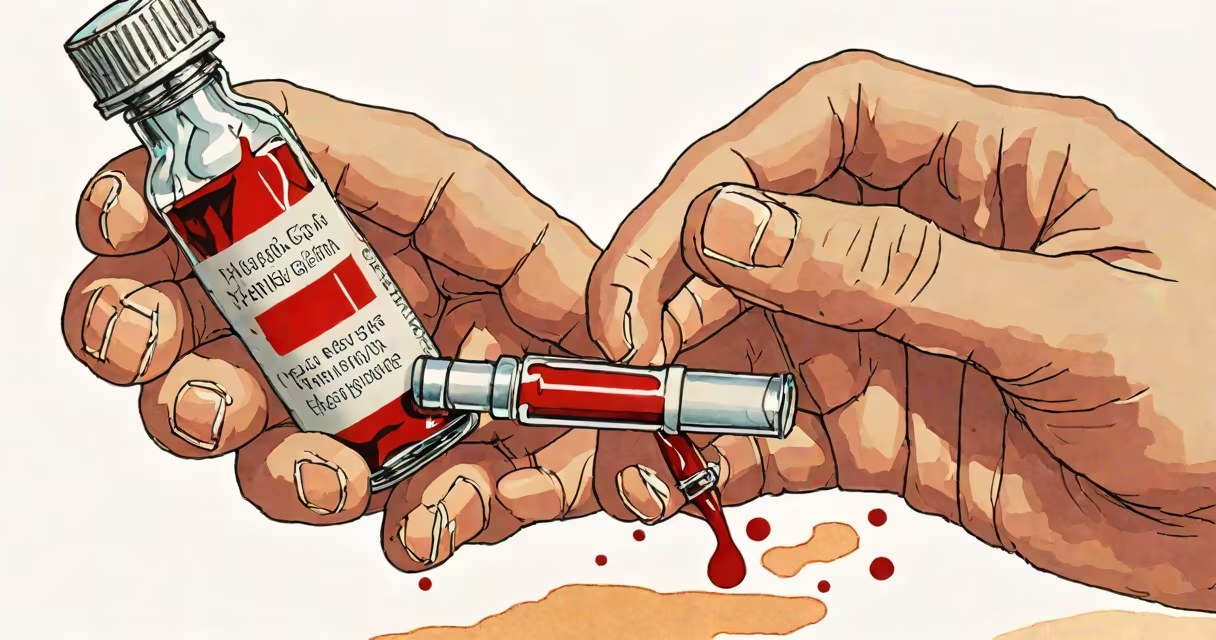
Hemoglobin levels drop when the body lacks enough healthy red blood cells or the hemoglobin protein inside them is insufficient. This occurs due to blood loss, iron deficiency, chronic illness, or inherited disorders affecting red cell production.
Hemoglobin is the oxygen-carrying protein in red blood cells. A normal level ranges between 13.5 and 17.5 grams per deciliter for adult men and 12.0 to 15.5 g/dL for women. Levels below these thresholds indicate anemia, which impairs tissue oxygenation. The most common cause is iron deficiency, accounting for about 60% of cases globally, according to the World Health Organization (WHO).
When hemoglobin drops, tissues receive less oxygen. This leads to fatigue, shortness of breath, dizziness, and cold extremities. These symptoms often appear gradually, making early detection difficult. A routine complete blood count (CBC) test identifies low hemoglobin levels during a standard checkup.
How Low Hemoglobin Develops
The body produces hemoglobin in the bone marrow using iron, vitamin B12, folate, and amino acids. Any disruption in supply or demand can reduce output. Iron is critical-without it, the body cannot synthesize heme, the iron-containing portion of hemoglobin. Even mild iron depletion reduces hemoglobin synthesis before anemia becomes apparent.
Blood loss accelerates hemoglobin decline. Acute bleeding-such as from trauma or surgery-can drop levels within hours. Chronic blood loss, like from heavy menstrual periods or gastrointestinal ulcers, depletes iron stores over months. The National Institutes of Health (NIH) reports that gastrointestinal bleeding accounts for nearly half of all iron-deficiency anemia cases in adults.
Chronic diseases such as kidney failure, cancer, or rheumatoid arthritis interfere with erythropoiesis-the process of red blood cell formation. Inflammation suppresses hepcidin, a hormone regulating iron release. When hepcidin stays high, iron gets trapped in storage sites, unavailable for hemoglobin production. This condition is known as anemia of chronic disease.
Types of Hemoglobin Drop Causes
Causes fall into four categories: blood loss, nutritional deficiencies, chronic illness, and inherited disorders. Each has distinct mechanisms and clinical presentations.
| Type | Primary Mechanism | Common Triggers | Typical Hemoglobin Range |
|---|---|---|---|
| Blood Loss | Acute or chronic volume reduction | Menstrual bleeding, peptic ulcer, colon cancer | Below 10 g/dL |
| Nutritional Deficiency | Insufficient raw materials for hemoglobin | Iron, B12, or folate deficiency | 9-12 g/dL |
| Chronic Disease | Inflammation blocks iron utilization | Kidney disease, cancer, autoimmune disorders | 10-12 g/dL |
| Inherited Disorders | Defective hemoglobin structure or production | Sickle cell anemia, thalassemia | Varies widely |
Iron deficiency anemia is the most prevalent form. It develops slowly. Early signs include brittle nails, restless legs, and pica-craving non-food items like ice or dirt. A study published in The American Journal of Clinical Nutrition found that 15% of women aged 18-49 in the U.S. have iron deficiency without anemia, indicating early-stage depletion.
One overlooked factor is poor dietary iron absorption. Non-heme iron from plant sources requires vitamin C to be absorbed effectively. Without it, absorption rates drop to 2-5%. For example, eating spinach without lemon juice results in minimal iron uptake. Conversely, pairing lentils with bell peppers increases absorption by up to 400%.
Common Misconceptions and Confusions
Many assume low hemoglobin always means anemia. But hemoglobin levels fluctuate with hydration status. Dehydration concentrates blood, raising hemoglobin artificially. Rehydration can lower it to normal levels. A patient presenting with a hemoglobin of 14.8 g/dL may still be dehydrated, masking true red cell mass.
Another misconception is that all fatigue stems from low hemoglobin. While fatigue is a symptom, it's non-specific. The same fatigue can result from sleep apnea, depression, or thyroid dysfunction. A 2021 study in JAMA Internal Medicine showed that only 30% of patients with unexplained fatigue had anemia, and only 12% had iron deficiency.
Some confuse hemoglobin drop with low hematocrit. Hematocrit measures the percentage of blood volume occupied by red cells. It correlates with hemoglobin but doesn't always track it. A patient with severe dehydration may have a normal hematocrit despite low hemoglobin due to plasma volume contraction.
Real-World Example: A Case of Hidden Blood Loss
A 45-year-old woman presented with persistent fatigue and dizziness. Her hemoglobin was 9.2 g/dL-well below the normal range. She reported no heavy menstrual bleeding and ate a balanced diet. Initial tests showed normal iron stores and no overt blood loss.
Further investigation revealed occult blood in her stool. Colonoscopy identified a small, slow-bleeding polyp. After removal, her hemoglobin rose to 12.6 g/dL within six weeks. This case illustrates that internal bleeding-especially from the gastrointestinal tract-can silently deplete hemoglobin without obvious symptoms.
She later recalled occasional dark stools and mild abdominal discomfort, which she dismissed as indigestion. The connection between subtle gastrointestinal changes and systemic anemia is often missed. Routine fecal immunochemical testing (FIT) detects hidden blood loss and prevents progression to severe anemia.
Key Takeaway: Identify the Root Cause
Low hemoglobin is not a diagnosis-it's a sign. Identifying the underlying trigger determines treatment. Iron supplementation treats deficiency-related drops. Blood transfusions manage acute losses. Treating chronic disease improves erythropoiesis. Genetic forms require specialized care, including blood transfusions or bone marrow transplants.
Regular screening, especially for high-risk groups-women of childbearing age, older adults, and those with chronic illnesses-can catch drops before they impair function. A single CBC test can reveal the problem. Follow-up with ferritin, reticulocyte count, and iron studies pinpoints the cause.
Understanding what can cause hemoglobin to drop enables timely action. The most effective treatment begins with accurate identification of the root issue-not just the symptom.