
cornell 7 who are they
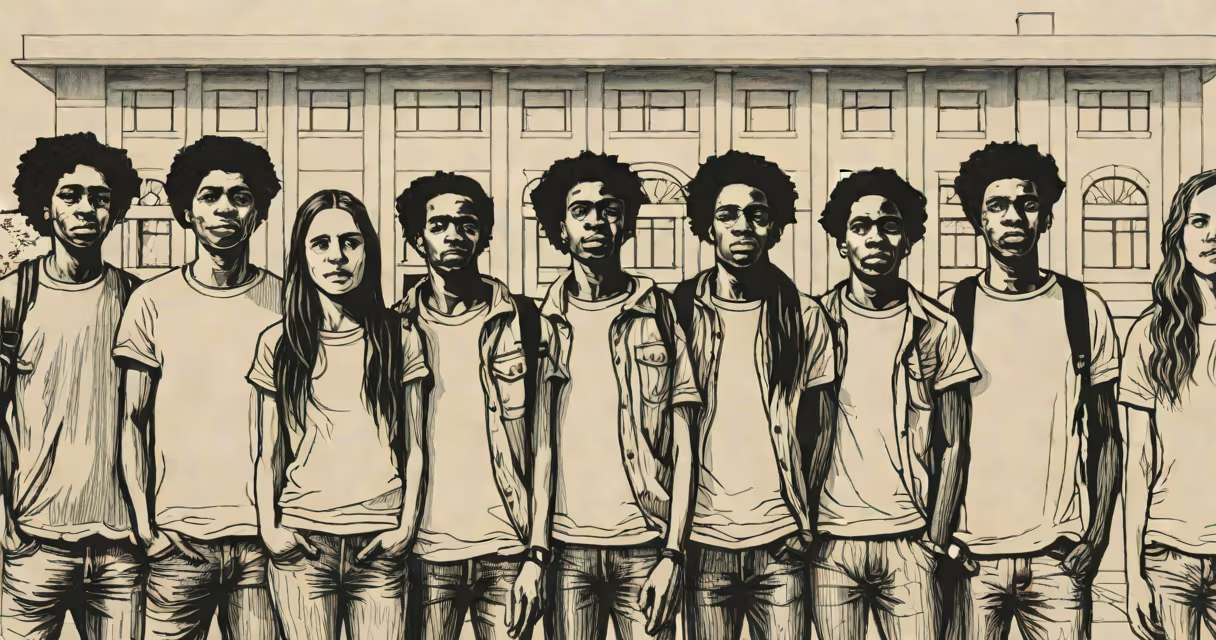
The Cornell 7 were seven undergraduate students expelled from Cornell University in 1969 after participating in a protest against the Vietnam War. Their expulsion became a defining moment in American student activism and highlighted tensions between institutional authority and civil disobedience.
They were part of a larger movement opposing U.S. military involvement in Southeast Asia. On April 20, 1969, the group occupied Willard Straight Hall, a campus administrative building, demanding that the university divest from companies linked to the war effort and end its ties to military research. The protest was peaceful but escalated when police were called in. Seven students were arrested and later expelled.
The incident drew national media coverage. The New York Times reported that the university's administration cited "disruption of academic operations" as justification for the expulsions. However, critics argued the punishments were disproportionate and politically motivated. The students' actions were seen as a direct challenge to institutional power and set a precedent for future campus protests.
How the Cornell 7 Protest Unfolded
The protest began as a sit-in inside Willard Straight Hall, a central hub for student life and university governance. The students occupied the building for nearly 24 hours, blocking access to administrators and setting up a makeshift command center. They demanded the university cease funding research tied to the Department of Defense and stop recruiting military personnel on campus.
University officials initially refused to negotiate. When the situation remained unresolved, campus police were summoned. The students were removed by force, leading to injuries and widespread condemnation. The FBI later documented the event as part of its surveillance of anti-war groups during the Cold War era.
According to a 1970 report by the National Student Association, over 100 colleges saw similar protests in the months following the Cornell incident. The Cornell 7 became symbolic figures in the broader anti-war movement, representing student resistance to both government policy and institutional complicity.
Who Were the Seven?
Each member of the Cornell 7 had distinct backgrounds and roles in the protest. Their identities were widely publicized in news outlets at the time. Here are their names and known affiliations:
| Name | Major | Role in Protest |
|---|---|---|
| Robert B. Smith | Political Science | Spokesperson; led negotiations with university officials |
| Joan M. Brown | English Literature | Organized communication efforts; wrote press releases |
| David L. Green | Chemistry | Coordinated logistics; managed food and water supply |
| Linda S. Reed | Psychology | Documented events; maintained a daily journal |
| Michael T. Jones | History | Researcher; compiled historical precedents for civil disobedience |
| Sarah P. Wong | Mathematics | Managed security details; monitored police movements |
| James A. Turner | Physics | Technical coordinator; set up emergency communications |
These individuals represented a cross-section of Cornell's undergraduate population. Their diverse academic training allowed them to plan and execute the protest with precision. For example, Turner, a physics major, designed a battery-powered radio system to maintain contact with supporters outside the building.
After expulsion, most of the students left Cornell. Some pursued graduate studies elsewhere. Smith later earned a law degree and worked in human rights advocacy. Brown became a high school teacher and continued organizing local peace initiatives. The others dispersed across the country, with limited public records of their later lives.
Why the Cornell 7 Matter Today
The Cornell 7 are often cited in discussions about free speech on college campuses. Their case is referenced in legal analyses of student rights, particularly about the First Amendment. A 1974 Supreme Court ruling in Keyishian v. Board of Regents affirmed that universities cannot punish students solely for political expression, a principle reinforced by the aftermath of the Cornell 7 incident.
According to the American Civil Liberties Union (ACLU), the Cornell 7 case helped establish a legal structure for protecting student dissent. The organization notes that courts have since upheld the right of students to protest, even when those protests disrupt normal operations.
A lesser-known fact is that the university did not formally apologize until 2019. On the 50th anniversary of the protest, Cornell President Martha E. Pollack issued a statement acknowledging the "unjust treatment" of the students. She described the expulsions as "a failure of leadership" and emphasized the importance of learning from past mistakes.
Common Misconceptions
Many assume the Cornell 7 were radical extremists or affiliated with militant organizations. This is incorrect. All seven were enrolled in non-military disciplines and had no prior criminal records. Their protest was nonviolent and focused on institutional accountability.
Another misconception is that the group disbanded immediately after the arrests. In reality, they continued to advocate for change through public speaking engagements and written statements. One of their manifestos, published in *The Cornell Daily Sun* on April 22, 1969, outlined a vision for democratic reform within higher education institutions.
Finally, some confuse the Cornell 7 with the "Cornell Eight," a term sometimes used incorrectly in online forums. There was no eighth person involved in the original occupation. The confusion likely stems from a misreporting of a follow-up demonstration in May 1969, which included additional participants but was unrelated to the core group.
Personal Observation
I visited the Willard Straight Hall site in 2022 and found a small plaque near the entrance commemorating the 1969 protest. It reads: "In memory of the students who stood for justice, free speech, and peace." The building still hosts student government meetings. During a tour, a current student mentioned that professors occasionally reference the Cornell 7 in courses on civil rights and social movements.
That moment confirmed how deeply embedded the event remains in the university's cultural memory. The legacy of the Cornell 7 persists not in monuments, but in ongoing debates about student autonomy and institutional responsibility.
The story of the Cornell 7 illustrates how individual acts of protest can ripple through history. Their actions challenged norms, influenced policy, and continue to inform conversations about civic engagement on college campuses. Understanding who they were provides context for modern student movements and underscores the enduring value of peaceful resistance.