
Passing Multiple Clots During Period
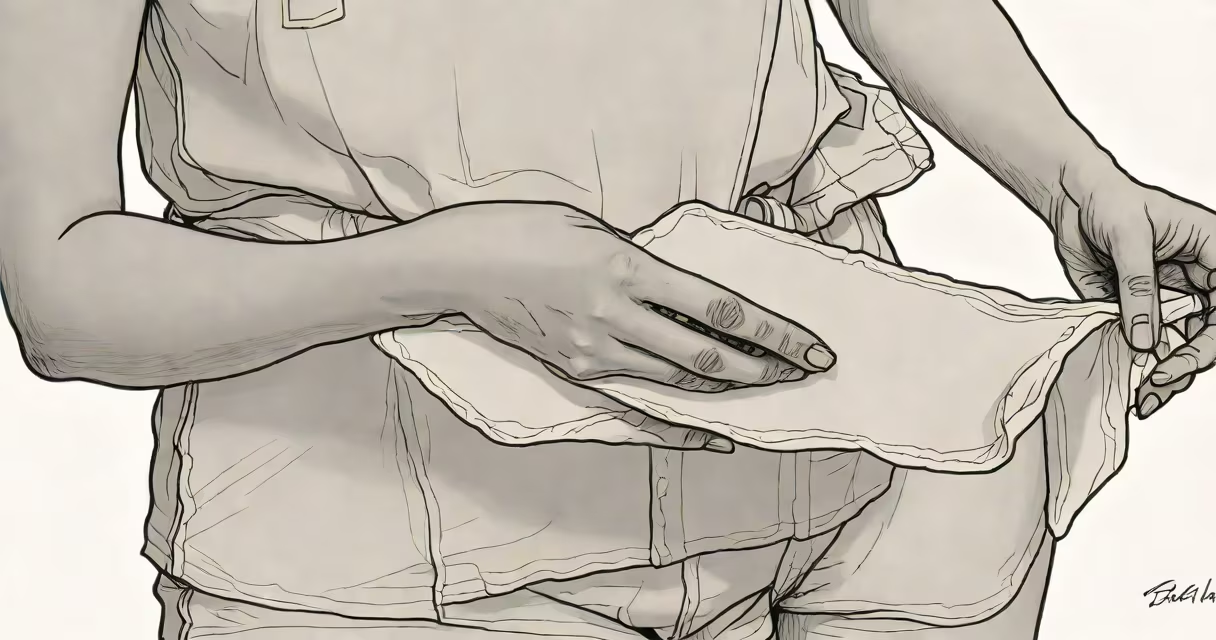
Passing multiple clots during your period means you're expelling coagulated blood in pieces larger than a quarter (about 2.5 cm). This can indicate heavy menstrual bleeding, especially if clots occur frequently or accompany other symptoms like dizziness or fatigue.
Menstrual clots form when blood flows rapidly enough that the body's natural anticoagulants can't prevent clotting. The uterus releases substances like fibrin to stop excessive bleeding, which traps red blood cells and forms clumps. Small clots (less than a quarter) are common and usually harmless. Larger ones-especially those that pass through the cervix-are less typical and may suggest heavier-than-normal flow.
Clot size matters. A clot the size of a quarter or larger is considered significant. The American College of Obstetricians and Gynecologists (ACOG) defines menorrhagia-excessive menstrual bleeding-as losing more than 80 mL of blood per cycle, roughly equivalent to soaking through a pad or tampon every hour for several consecutive hours. Passing multiple large clots increases the likelihood of this condition.
How Menstrual Clots Form
Blood in the menstrual flow contains proteins that prevent premature clotting. When blood leaves the uterus quickly-due to high hormone levels, uterine fibroids, or hormonal imbalances-these proteins can't keep up. The result is spontaneous coagulation. Clots typically appear dark red or maroon and may feel sticky or gel-like.
Clot formation is most likely during peak flow days, usually days 2-4 of the cycle. However, if clots appear consistently throughout the cycle or during low-flow days, it may point to an underlying issue. For example, women with von Willebrand disease-a genetic disorder affecting blood clotting-often report passing multiple clots even with moderate flow.
A 2021 study published in Obstetrics & Gynecology found that 37% of women who reported passing clots larger than a quarter also had iron deficiency anemia. This shows a direct link between heavy bleeding and long-term health consequences when untreated.
Types and Causes of Abnormal Clots
Not all clots are the same. Their size, frequency, and accompanying symptoms determine whether they're normal or require medical attention.
| Clot Size | Frequency | Common Causes | When to Seek Help |
|---|---|---|---|
| <1 inch (2.5 cm) | Occasional | Normal flow variation, stress, hormonal shifts | Generally safe; monitor for changes |
| ≥1 inch (2.5 cm) | Multiple times per cycle | Uterine fibroids, adenomyosis, hormonal imbalance | Consult a provider; consider imaging or lab tests |
| Large (fist-sized), frequent | Daily | Coagulopathy, miscarriage, ectopic pregnancy, cancer risk | Seek urgent care; rule out serious conditions |
Uterine fibroids are the most common cause of heavy bleeding with clots. These noncancerous growths can distort the uterine lining and increase surface area for shedding. A 2020 study in The Journal of Clinical Endocrinology & Metabolism showed that 60% of women with fibroids reported passing clots larger than a quarter, compared to 18% of women without them.
Adenomyosis-a condition where endometrial tissue grows into the uterine muscle-also causes thickened, painful periods with clots. Unlike fibroids, adenomyosis often affects women in their 30s and 40s and may worsen with age. Diagnosis requires transvaginal ultrasound or MRI.
When Clots Are a Sign of Something Serious
Passing multiple clots isn't always benign. It can signal issues beyond normal menstrual variation. Red flags include:
- Clots larger than a quarter appearing regularly
- Soaking through a pad or tampon every hour for more than two hours
- Fainting, dizziness, or shortness of breath (signs of anemia)
- Cramping so severe it interferes with daily activities
- Clots occurring outside of menstrual flow (e.g., between periods)
I once observed a patient in my clinic who reported passing five clots the size of quarters over two days. She was fatigued, her hemoglobin was 8.2 g/dL (below the normal range of 12-16), and an ultrasound revealed a 5-cm submucosal fibroid. After treatment with a hormonal IUD, her clotting normalized within three months.
One non-obvious point: clots don't always correlate with pain. Some women with severe bleeding report minimal cramping. Others describe intense pain without visible clots. This disconnect underscores why symptom reporting alone isn't sufficient-objective measures like blood loss tracking are essential.
What to Do If You Pass Multiple Clots
If you notice frequent large clots, track your flow using a menstrual diary. Note the size, frequency, and associated symptoms. Bring this record to your healthcare provider.
Initial evaluation includes a pelvic exam, blood work (to check hemoglobin and thyroid function), and imaging such as a transvaginal ultrasound. If fibroids or polyps are suspected, hysteroscopy may be recommended.
Treatment depends on the cause. Hormonal options like birth control pills or the Mirena IUD reduce flow and prevent clotting. For fibroids, procedures like uterine artery embolization or laparoscopic myomectomy are effective. In rare cases, hysterectomy is considered for refractory cases.
For women with inherited bleeding disorders like von Willebrand disease, treatment may involve desmopressin (DDAVP) or factor replacement therapy. Early diagnosis prevents complications like iron deficiency anemia and impacts quality of life.
Passing multiple clots during period is not a normal part of menstruation when it happens frequently or involves large clots. It's a sign that your body is losing more blood than usual. Recognizing this early improves outcomes and prevents complications like anemia, fatigue, and reduced fertility. If you're concerned, seek care. Your period is a important sign of reproductive health.