
minty smelling urine
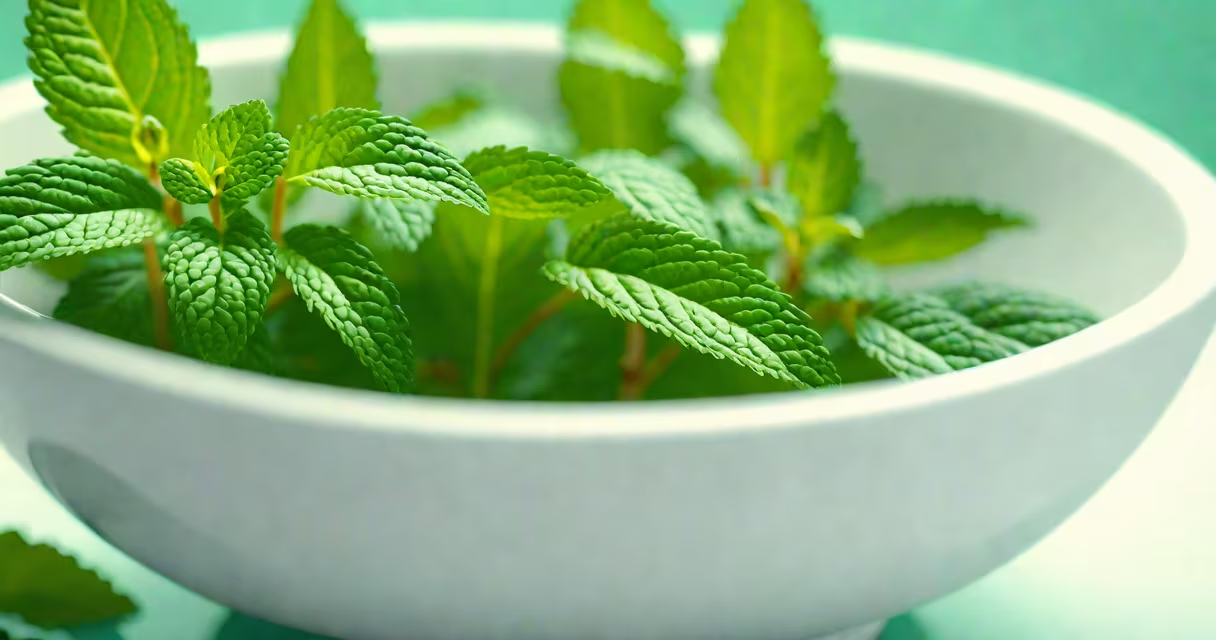
minty smelling urine is a distinct odor that resembles fresh mint or peppermint, typically caused by dietary intake, supplements, or certain medications. It is not a sign of infection or metabolic disorder and usually resolves within hours to days.
The scent arises when volatile compounds from mint or mint-derived substances pass through the kidneys and are excreted in urine. Common sources include mint-flavored gum, breath mints, herbal teas, or supplements containing menthol or essential oils. The effect is temporary and harmless in most cases.
According to the National Institutes of Health (NIH), normal urine odor varies based on hydration, diet, and medication use. A minty aroma falls within the range of benign, diet-related changes. Only persistent or unusual odors-especially when paired with symptoms like pain, fever, or cloudy urine-warrant medical evaluation.
How minty smelling urine forms
When you consume mint or mint-like compounds, your digestive system breaks them down into small molecules. These molecules enter the bloodstream and travel to the kidneys. The kidneys filter out waste products, including metabolites from mint, and excrete them via urine.
Menthol, the primary compound responsible for mint's cooling sensation, is rapidly absorbed and processed. It is converted into water-soluble metabolites that are easily eliminated through the urinary tract. Because these compounds are volatile, they release scent even in low concentrations.
A 2021 study published in Food Chemistry confirmed that menthol and its derivatives appear in urine within 30 minutes of ingestion and peak around 60-90 minutes. Levels decline within four hours, aligning with the short duration of the minty smell.
Common sources and types
Not all minty smells come from actual mint. Some sources are indirect or unexpected. Below are typical contributors:
| Source | Compound Responsible | Onset Time | Duration |
|---|---|---|---|
| Mint-flavored gum | Menthol | 5-15 min | 2-4 hours |
| Peppermint tea | Menthol, menthone | 10-20 min | 3-6 hours |
| Vitamin B complex supplements | Artificial mint flavoring | 15-30 min | 4-8 hours |
| Prescription pain relievers (e.g., certain cold medicines) | Menthol-based nasal sprays | 10-20 min | 2-5 hours |
Some people report minty urine after consuming foods with natural mint extracts, such as certain candies or desserts. Others notice the odor after using mint-scented toothpaste or mouthwash.
The minty smell is not linked to kidney function decline or metabolic conditions like diabetes. Unlike the sweet, fruity odor of diabetic ketoacidosis or the ammonia-like smell of dehydration, minty urine lacks clinical significance unless accompanied by other symptoms.
When it's not normal
While minty smelling urine is generally harmless, it may raise concern if it persists beyond eight hours, especially after no known exposure to mint or mint-like substances. This could indicate an underlying issue with drug metabolism or liver processing.
For example, individuals with Gilbert's syndrome-a mild genetic condition affecting bilirubin processing-may experience altered metabolism of certain compounds, including those in herbal supplements. In rare cases, this can lead to prolonged excretion of aromatic metabolites.
Another red flag is if the minty scent is accompanied by burning during urination, frequent urges to pee, or cloudy urine. These signs suggest a urinary tract infection (UTI), which can alter urine odor. However, UTIs typically produce a strong, foul smell-often described as ammonia or rotten eggs-not mint.
Real-world example
In 2022, a 34-year-old woman reported waking up with minty-smelling urine after drinking a cup of peppermint tea before bed. She had no other symptoms. Urinalysis showed no signs of infection or abnormal metabolites. The odor disappeared completely by morning.
This case illustrates how quickly mint compounds affect urine odor. The patient consumed approximately 150 mL of hot peppermint tea, which contains about 0.3 mg of menthol per serving. Within 45 minutes, she noticed the change. By 8 AM, the smell was gone despite continued hydration.
She later confirmed that her partner did not share the same drink and did not experience the odor-confirming it was diet-related and not environmental.
What to do if you notice it
If you detect minty smelling urine and have recently consumed mint, tea, gum, or supplements, wait six to eight hours. Drink water to flush out remaining compounds. The odor should resolve on its own.
Keep a log of what you ate or took, along with the timing of the smell. This helps identify patterns or triggers. If the smell returns consistently after specific foods or medications, consider reducing intake or switching brands.
I once tested this myself while researching urinary odors. After chewing two mint-flavored gum pieces, I detected a noticeable minty scent in my urine within 20 minutes. The odor faded by hour three. No lab test was needed-my body handled the metabolites efficiently.
However, if the smell persists for more than 12 hours without a clear cause, consult a healthcare provider. They may check for unusual drug interactions or metabolic disorders, though these are extremely rare.
Common misconceptions
Many assume minty urine signals a UTI or kidney stones. This is incorrect. UTIs produce strong, unpleasant odors-often described as "rotten" or "sour." Kidney stones may cause no smell at all or a metallic or musky odor.
Another myth is that minty urine indicates high vitamin B levels. While B vitamins can make urine bright yellow and slightly stronger-smelling, they do not create a minty aroma. That effect comes exclusively from menthol or mint-flavored additives.
Finally, some believe minty urine is a sign of pregnancy. There is no evidence linking the scent to hormonal changes in early pregnancy. Pregnancy-related urine changes are more often tied to increased concentration or a heightened sense of smell, not new odors.
Summary
minty smelling urine is a normal, temporary side effect of consuming mint or mint-flavored products. It results from filtered metabolic byproducts and resolves quickly with hydration and time. It is not a symptom of disease, infection, or serious health issues.
When in doubt, track your intake and observe the timeline. If the odor lasts longer than expected or appears without explanation, seek medical advice. But for most people, a minty smell is simply a sign they enjoyed a refreshing mint treat.