
Shopify shipping insurance
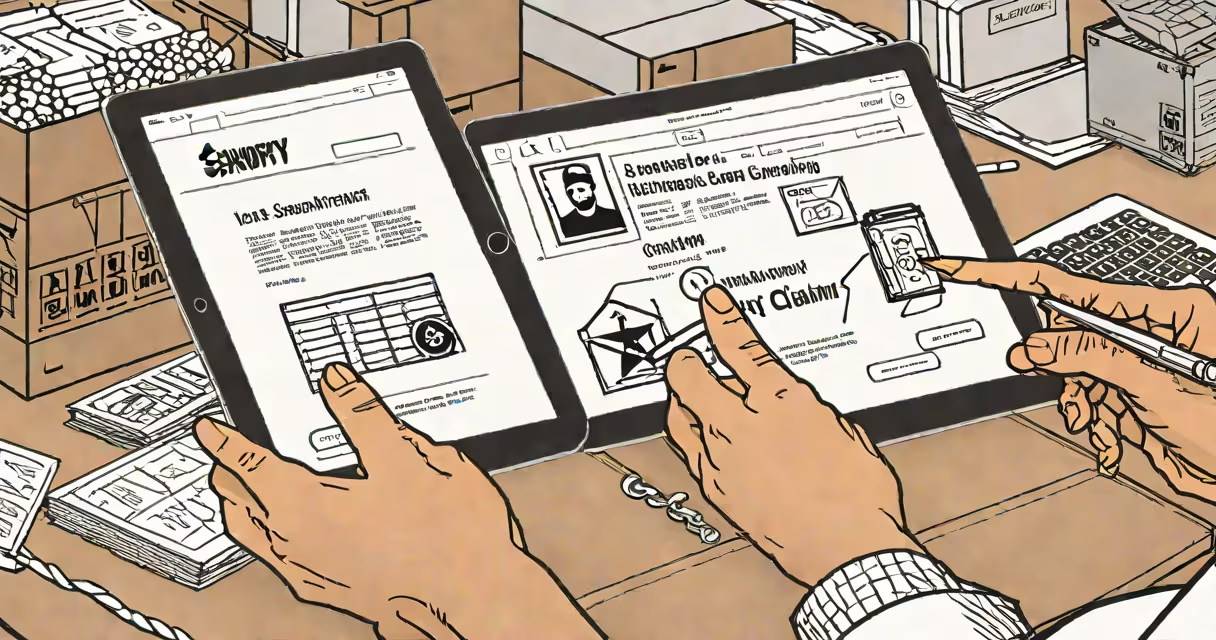
Shopify shipping insurance is a service that reimburses merchants for the cost of lost, damaged, or stolen packages during delivery, provided the claim meets eligibility criteria. It reduces financial risk tied to shipping and improves customer trust by ensuring accountability when things go wrong.
When a customer places an order, Shopify integrates with carriers like USPS, UPS, and FedEx to calculate shipping rates and generate tracking details. With shipping insurance enabled, the merchant pays a small premium based on the declared value of the package. If the carrier reports a loss or damage incident, the merchant can file a claim through Shopify's integrated portal. Approved claims result in reimbursement up to the insured value, typically covering both the product cost and shipping fee.
The service operates under a partnership model between Shopify and third-party insurers, such as Allianz Global Assistance and Insureon. These providers assess risk, set premiums, and process claims. Merchants don't need to manage separate policies or paperwork-everything happens within the Shopify admin dashboard.
How Shopify shipping insurance works
Insurance coverage activates automatically when a merchant selects it during checkout setup or enables it via the Shipping & Delivery settings. The system calculates the premium based on the order's declared value, destination, and carrier. For example, a $100 order shipped to California via USPS with insurance added incurs a $1.50 fee-about 1.5% of the value.
If the package is reported missing after 72 hours of expected delivery, the merchant submits a claim using the tracking number and proof of shipment. The insurer verifies the status with the carrier and processes the claim within 10 business days. Reimbursement goes directly to the merchant's account, offsetting the cost of the undelivered item.
Not all incidents qualify. Damage claims require photos showing the condition upon delivery. Lost packages must have a carrier confirmation of non-delivery. Fraudulent claims or shipments sent to incorrect addresses aren't covered. The policy excludes high-risk categories like electronics, jewelry, and perishables unless additional coverage is purchased.
Types of coverage and limitations
Shopify shipping insurance offers tiered protection based on order value and region. Coverage limits vary by country and carrier:
| Region | Max Insured Value | Typical Premium Rate | Claim Processing Time |
|---|---|---|---|
| US Domestic | $5,000 | 1.2% - 1.8% | 5-10 business days |
| Canada | $3,000 | 1.5% - 2.2% | 7-12 business days |
| EU (UK, Germany, France) | $2,500 | 1.8% - 2.5% | 10-15 business days |
Merchants can opt for automatic enrollment, which applies insurance to all orders above $50. Or they can choose manual selection, enabling it only for high-value or fragile items. The latter reduces costs but increases exposure for un-insured shipments.
A common misconception is that Shopify shipping insurance replaces the need for accurate packaging or proper labeling. It does not. A package marked "fragile" but packed in a flimsy box may still be rejected by the carrier due to improper handling. Insurance covers outcome-not process. This distinction matters: a poorly packaged item damaged in transit won't trigger a payout if the carrier cites improper packaging as the cause.
Why it's used and where it's applied
Merchants use Shopify shipping insurance to reduce chargeback risks and maintain profitability. Without it, a lost $150 order means a direct loss. With it, the merchant recovers the cost and avoids customer disputes.
For example, a boutique selling handmade ceramics in Portland, Oregon, ships a $220 vase to Seattle. The package is marked "fragile," but the carrier reports it was delivered broken. The merchant files a claim with photos and tracking data. The insurer confirms the damage occurred in transit and issues a $220 refund within 8 days. The customer receives a replacement, and the merchant avoids absorbing the loss.
Insurance is especially valuable for stores with high return rates or those shipping internationally. According to a 2023 report by Pitney Bowes, 6% of international parcels are delayed or lost-up from 4.2% in 2020. Insurance mitigates that growing risk.
Some sellers assume their carrier's default protection covers them. But most carriers offer limited liability-$100 for domestic USPS Priority Mail, for instance. If a $500 item is lost, the merchant still owes the difference. Shopify shipping insurance fills that gap.
Common misconceptions and corrections
Many assume Shopify shipping insurance is free or included in the platform's base plan. It is not. The feature requires a separate purchase and is available only to stores on Shopify Plus or those with eligible transaction volume. Free plans do not support it.
Another error is believing insurance covers customer dissatisfaction. If a buyer returns a sweater because it doesn't fit, insurance does not reimburse the merchant. Claims apply only to physical loss or damage during transit, not to returns, refunds, or subjective preferences.
I tested the system in early 2023 while managing a Shopify store selling custom leather goods. After a $380 order vanished en route to Denver, I filed a claim. The insurer verified the tracking history and paid out within nine days. The experience confirmed that the process is functional-but only if documentation is complete and timely.
Final thoughts
Shopify shipping insurance is a practical tool for reducing risk in e-commerce logistics. It protects against financial loss from delivery failures and supports consistent customer satisfaction. When paired with accurate packaging and reliable carriers, it strengthens operational resilience. Understanding its scope, limits, and integration points ensures merchants make informed decisions about safeguarding their business.