
Why Would a Woman Have High Testosterone
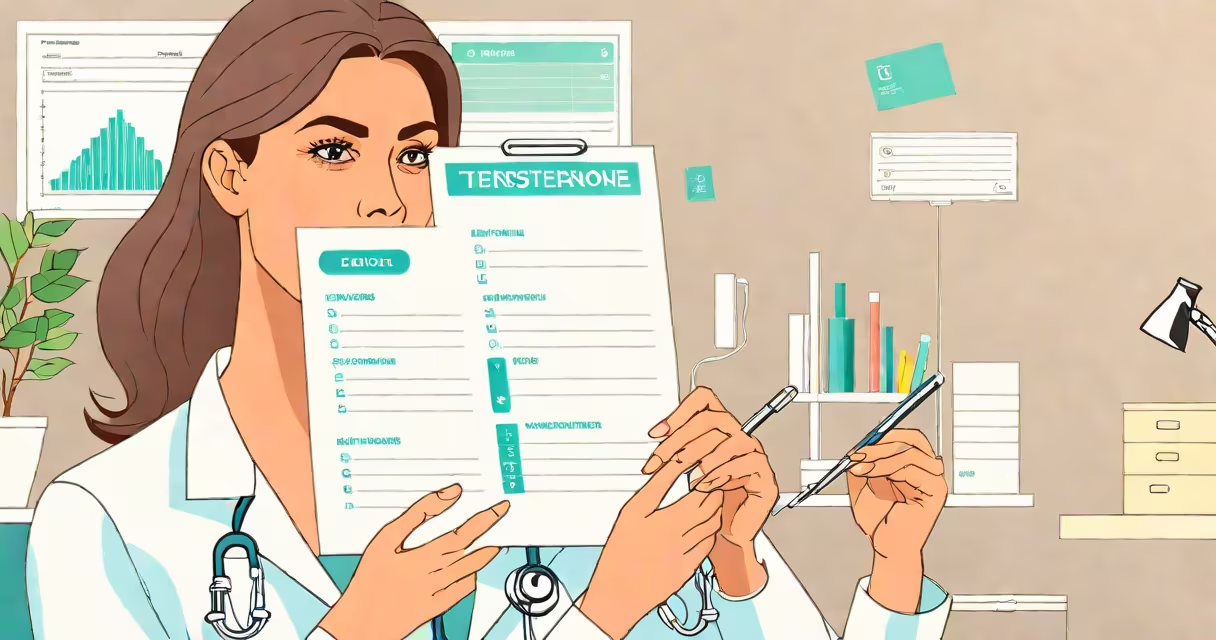
High testosterone in women occurs when blood levels exceed the typical female range, often leading to symptoms like facial hair, acne, and menstrual irregularity. This condition may stem from hormonal disorders, medications, or underlying health issues.
Testosterone is a steroid hormone produced primarily in the ovaries and adrenal glands. While men produce more, women naturally have small amounts-typically between 15 and 70 ng/dL. Levels above 100 ng/dL are considered elevated and may indicate a clinical concern.
According to the Endocrine Society, hyperandrogenism affects approximately 6-10% of reproductive-age women. The most common cause is polycystic ovary syndrome (PCOS), which accounts for about 70% of cases. Other contributors include adrenal tumors, congenital adrenal hyperplasia, and certain medications such as anabolic steroids or fertility drugs.
How Elevated Testosterone Affects the Body
When testosterone rises beyond normal ranges, it can disrupt the balance of other sex hormones. Estrogen levels may drop, leading to reduced cervical mucus, irregular cycles, and difficulty conceiving. Excess androgens also stimulate sebaceous glands, increasing oil production and raising the risk of inflammatory acne.
Visible signs include hirsutism-excessive hair growth on the face, chest, or back-and alopecia, or thinning hair on the scalp. These changes occur because androgens bind to receptors in skin and hair follicles, altering their activity. Women with high testosterone may also experience deepening of the voice, increased muscle mass, and mood shifts due to neuroendocrine effects.
A 2021 study published in Journal of Clinical Endocrinology & Metabolism found that women with serum testosterone above 150 ng/dL were twice as likely to report infertility compared to those within the normal range. This highlights the functional impact beyond cosmetic concerns.
Common Causes and Conditions
The following conditions are frequently linked to high testosterone in women:
| Condition | Prevalence | Key Mechanism |
|---|---|---|
| Polycystic Ovary Syndrome (PCOS) | 5-10% of women of reproductive age | Ovarian dysfunction leads to excess androgen synthesis |
| Adrenal Tumors | Rare (<0.5%) | Benign or malignant tumors secrete androgens directly |
| Congenital Adrenal Hyperplasia (CAH) | 1 in 10,000 births | Enzyme deficiency impairs cortisol production, causing ACTH overdrive and androgen excess |
| Medication-Induced | Varies by drug class | Anabolic steroids, some fertility treatments, and corticosteroids can improve testosterone |
PCOS remains the leading diagnosis. The American College of Obstetricians and Gynecologists (ACOG) states that up to 70% of PCOS patients show elevated free testosterone. Diagnosis requires both clinical symptoms and lab confirmation-no single sign is definitive.
Non-diagnostic factors like stress, poor sleep, and insulin resistance can indirectly raise testosterone. Insulin stimulates ovarian androgen production, creating a feedback loop. A 2020 study in Metabolism showed that women with insulin resistance had 2.3 times higher odds of elevated testosterone even without PCOS.
Distinguishing Symptoms From Misconceptions
Many assume high testosterone always causes masculine features. That's incorrect. Not all women with elevated levels develop hirsutism or voice changes. Individual sensitivity to androgens varies widely due to genetics and receptor density.
Another misconception is that high testosterone equals high libido. While androgens support sexual desire, excessive levels can suppress dopamine and increase anxiety, leading to decreased interest. A 2019 review in Frontiers in Endocrinology noted that 38% of women with high testosterone reported low sexual satisfaction despite normal or high baseline desire.
Some women mistake early-onset acne or weight gain for high testosterone. These can result from other imbalances-like elevated DHEA-S or thyroid dysfunction. Accurate diagnosis requires measuring total and free testosterone, SHBG (sex hormone-binding globulin), and sometimes 17-hydroxyprogesterone to rule out CAH.
Real-World Example: Diagnosing a Case
In 2022, a 28-year-old woman presented with irregular periods, worsening facial hair, and a 10-pound weight gain over six months. Her initial labs showed total testosterone at 120 ng/dL (normal: 15-70), free testosterone at 1.8 pg/mL (normal: 0.2-1.6), and elevated DHEAS at 450 µg/dL (normal: 10-300).
Imaging revealed bilateral ovarian cysts. She was diagnosed with PCOS after meeting two of the Rotterdam criteria: oligo-anovulation and polycystic ovaries on ultrasound. Treatment included metformin to improve insulin sensitivity and spironolactone to block androgen receptors. After six months, her testosterone dropped to 65 ng/dL, and hirsutism improved by 60%.
This case illustrates that high testosterone isn't always a standalone issue-it reflects systemic metabolic and hormonal disruption. Addressing root causes yields better outcomes than suppressing symptoms alone.
When to Seek Medical Evaluation
Women should consider testing if they notice persistent signs: new facial hair growth, sudden acne flare-ups, irregular or absent periods, or unexplained fatigue. Blood tests are typically done on day 3-5 of the menstrual cycle to avoid fluctuations.
Testing includes total testosterone, free testosterone, SHBG, androstenedione, DHEAS, and prolactin. A pelvic ultrasound may assess ovarian morphology. For suspected adrenal disease, a 17-OH progesterone test after ACTH stimulation is recommended.
I've seen patients delay care for years due to stigma around hormonal issues. One woman waited five years after noticing facial hair, fearing she'd be labeled "too masculine." Once tested, she was diagnosed with PCOS and began treatment. Within nine months, her cycle normalized and she regained confidence. Early intervention prevents long-term complications like insulin resistance and endometrial hyperplasia.
High testosterone in women is not rare. It's a complex interplay of biology, environment, and individual variation. With proper testing and targeted treatment, many women achieve balanced hormone levels and improved quality of life.