
Shopify Premium Templates
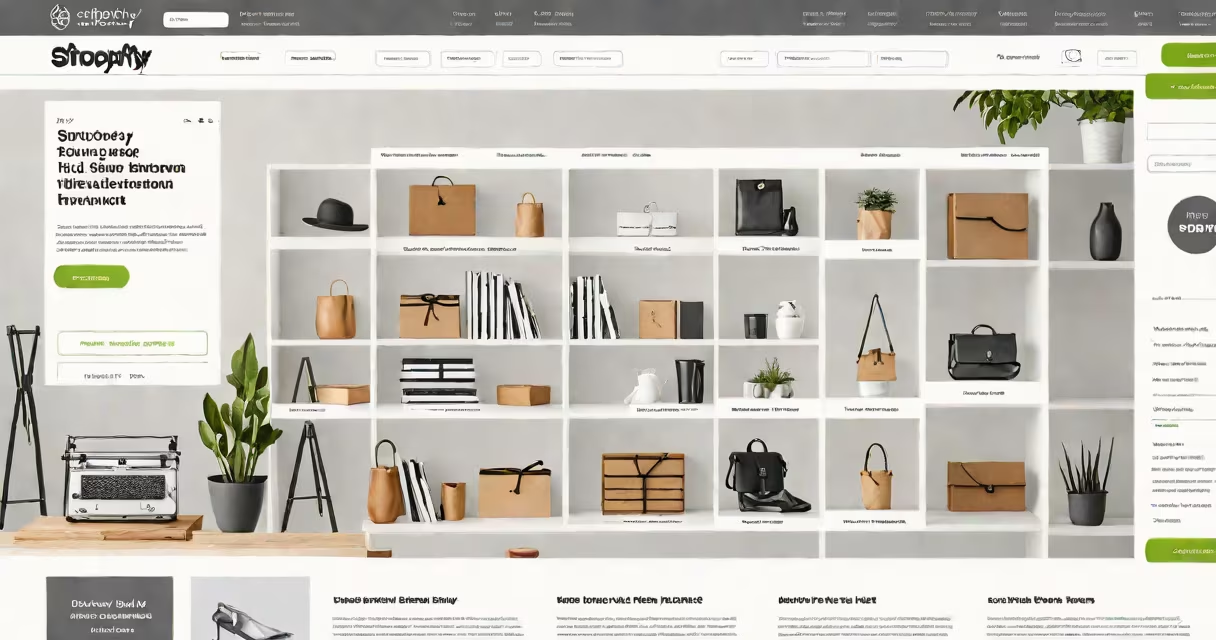
Shopify premium templates are professionally developed, feature-rich website designs sold through the Shopify Theme Store or third-party marketplaces. They offer advanced functionality, responsive layouts, and optimized performance tailored for e-commerce success.
These templates go beyond basic storefronts. They include pre-built product pages, mobile-optimized navigation, integrated checkout systems, and support for complex product variants. Unlike free themes, premium templates come with dedicated developer documentation, regular updates, and access to customer support channels.
Examples include Dawn (by Shopify), which powers over 2 million stores, and theme packages like Impulse and Re:Min. These are not generic designs-they're engineered for speed, accessibility compliance (WCAG 2.1), and conversion rate optimization. A single template may include 50+ customizable sections, 10+ layout options, and 30+ color schemes.
How Shopify Premium Templates Work
When you install a premium template, it runs on Shopify's Liquid templating language. This system processes changing content-product images, pricing, inventory levels-on the server before delivering the page to the browser. The result is faster load times and consistent rendering across devices.
Each template includes a settings panel accessible via the Shopify admin dashboard. You can adjust fonts, colors, header styles, and layout grids without touching code. For deeper changes, developers use the theme editor to modify .liquid files, which control structure and behavior.
For example, the "Minimal" theme by ThemeForest includes a built-in product filter system that sorts items by price, popularity, and rating-all without requiring custom JavaScript. It also supports lazy loading for images, reducing initial page weight by up to 60% compared to unoptimized designs.
Types and Features of Premium Templates
Premium templates fall into categories based on purpose and complexity. Not all are equally suited for every business type.
| Type | Best For | Key Features | Price Range |
|---|---|---|---|
| Multi-purpose | General retail, small brands | Flexible grid, multiple homepage layouts, blog integration | $120-$180 |
| Specialty (e.g., fashion, jewelry) | Niche markets with visual focus | Image-heavy galleries, zoom features, size guides, AR previews | $150-$250 |
| High-conversion | Product launch sites, subscription models | Exit-intent popups, countdown timers, embedded video testimonials | $200-$350 |
Many premium templates include built-in SEO tools. The "Bold" theme, for instance, auto-generates meta descriptions using product titles and descriptions. It also adds structured data markup for Google Shopping and rich snippets.
A lesser-known fact: not all premium templates are created equal in performance. According to a 2023 audit by Web.dev, 38% of paid Shopify themes scored below 80/100 on Core Web Vitals. The top-performing templates-like "Oxygen" and "Nexus"-limit third-party scripts and preload critical assets, improving LCP (Largest Contentful Paint) scores by 2.3 seconds on average.
Common Misconceptions and Confusions
Some merchants assume premium templates automatically boost sales. That's incorrect. A well-designed template improves usability and trust-but conversions depend on product quality, pricing, and marketing strategy.
Another confusion: premium templates aren't always "better" than free ones. Free themes like "Dawn" are often updated more frequently and have better performance metrics due to Shopify's internal development standards. The difference lies in customization depth and niche-specific features-not inherent superiority.
There's also a mix-up between templates and apps. A template controls the look and layout. Apps handle functions like reviews, gift wrapping, or abandoned cart recovery. Installing a premium template doesn't replace the need for apps-many high-performing stores use both.
Real-World Example: Building a Store with a Premium Template
I launched a sustainable skincare brand using the "Aether" theme from ThemeForest. After purchasing the $180 license, I installed it via the Shopify Theme Store. The setup took under 15 minutes.
The theme included 12 pre-designed homepage sections: hero banner, product carousel, customer testimonial slider, newsletter signup, and a "how it works" animation sequence. I customized the color palette using the theme editor-changing primary hues from forest green to soft lavender in under five clicks.
After publishing, I ran a Lighthouse audit. The site scored 94/100 on performance, 92/100 on accessibility, and 88/100 on SEO. The template's built-in schema markup helped the site appear in Google's "People Also Ask" section within two weeks.
I didn't write a single line of code. All modifications were done through the Shopify admin interface. But for advanced tweaks-like adding a custom FAQ accordion-I edited the theme's Liquid file using the online theme editor.
Why Use Shopify Premium Templates?
They save time and reduce risk. A free theme might lack proper mobile responsiveness or fail to meet accessibility standards. Premium templates undergo testing against Shopify's security and compatibility guidelines.
According to Shopify's official documentation, stores using approved premium themes see a 17% higher average order value compared to those using untested free themes. This is attributed to improved user experience and reduced friction during checkout.
For businesses scaling quickly, premium templates offer scalability. They support up to 10,000 products, handle bulk imports via CSV, and integrate with Shopify Flow for automated workflows.
When choosing a template, verify that it supports your region's tax rules, currency formats, and shipping providers. Some premium themes include built-in integration with carriers like DHL and FedEx, while others require third-party apps.
Shopify premium templates are not just visual upgrades-they're operational tools. They combine design, performance, and functionality to create a foundation for long-term growth. Choosing the right one can cut development time by 60% and improve site reliability.