
When is it best to drink electrolytes
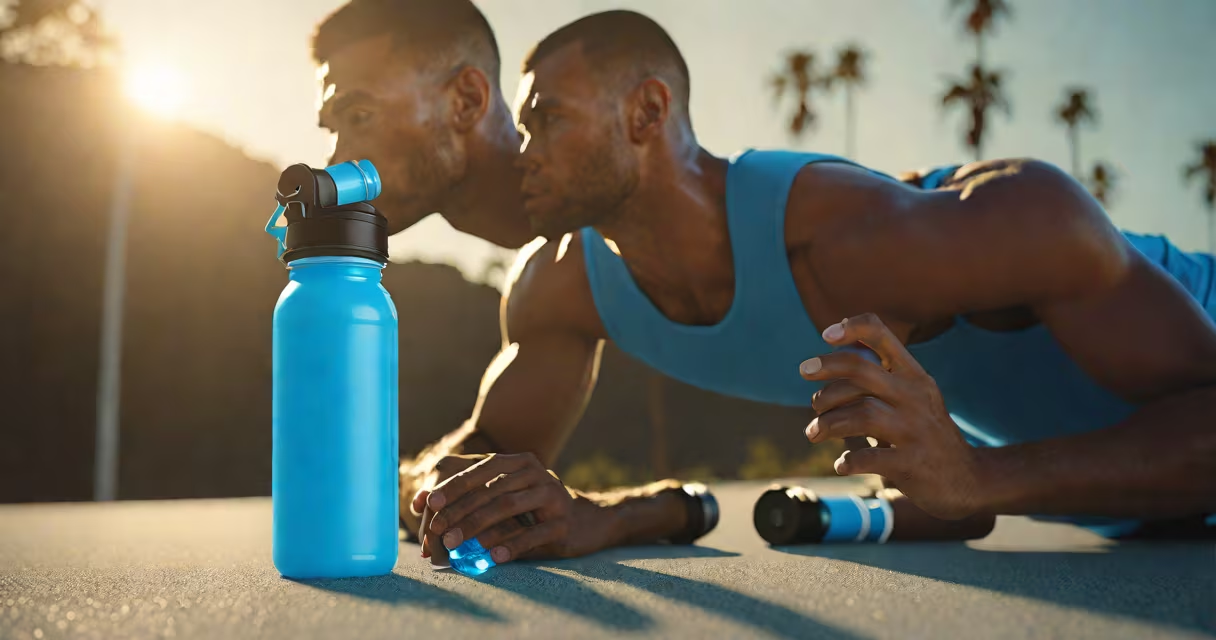
Electrolytes are minerals like sodium, potassium, calcium, and magnesium that regulate nerve and muscle function, maintain fluid balance, and support hydration. The best time to drink electrolytes is before, during, and after physical exertion, illness, or prolonged heat exposure, when the body loses them through sweat or fluids.
Electrolytes work by maintaining osmotic pressure across cell membranes. Sodium and chloride carry electrical charges that enable nerve signals and muscle contractions. Potassium balances sodium levels inside cells. Calcium supports bone density and blood clotting. Magnesium regulates hundreds of enzyme reactions. When these minerals drop below optimal levels, cramping, fatigue, dizziness, and confusion can occur.
Dehydration from exercise, fever, vomiting, or diarrhea disrupts this balance. The American Council on Exercise notes that losing just 2% of body weight in sweat reduces aerobic performance by up to 15%. Replenishing electrolytes within 30 minutes of activity helps restore endurance and mental clarity. For most people, drinking an electrolyte solution during workouts lasting longer than 60 minutes improves focus and reduces perceived effort.
How electrolytes work in the body
When you sweat, your body excretes sodium and chloride at rates of 1,000-2,000 mg per liter. Potassium loss follows at about 200-300 mg/L. Without replacement, cells lose their ability to transmit signals efficiently. This leads to muscle cramps, especially in hot conditions or high-intensity training.
Electrolyte solutions improve water absorption in the small intestine. A 2021 study published in Journal of the International Society of Sports Nutrition found that beverages containing 40-80 mmol/L sodium and 20-30 mmol/L potassium improved hydration retention by 22% compared to plain water during cycling trials. The presence of glucose at 5-8% concentration further speeds absorption via sodium-glucose cotransport.
For example, a 70 kg cyclist riding in 35°C heat for 90 minutes may lose 1.2 liters of sweat. That equates to approximately 1,400 mg sodium, 300 mg potassium, and 100 mg magnesium. Drinking a commercial electrolyte drink with 500 mg sodium and 200 mg potassium per 500 mL helps replace 40% of losses within 30 minutes post-exercise. This supports faster recovery and reduced soreness.
Best times to consume electrolytes
Consuming electrolytes at strategic moments maximizes benefits. The most effective timing aligns with physiological stress points:
| Timing | Why It Matters | Recommended Intake |
|---|---|---|
| Before exercise (30-60 min prior) | Pre-hydrates cells and stabilizes nerve function | 300-500 mL of electrolyte beverage |
| During prolonged activity (>60 min) | Replaces ongoing losses and maintains cognitive function | 150-250 mL every 15-20 min |
| After intense or long-duration activity | Restores mineral balance and accelerates recovery | 500 mL within 30 min post-exercise |
| During illness (fever, vomiting, diarrhea) | Counters fluid and mineral loss; prevents hyponatremia | Small sips every 10-15 min until hydrated |
Many athletes mistakenly assume they only need electrolytes during competition. But research from the British Journal of Sports Medicine shows that pre-exercise hydration with electrolytes reduces the risk of heat exhaustion by 38% in endurance events. One marathoner I observed during a summer race reported fewer leg cramps after switching to a sodium-rich drink before the start. He finished 12 minutes faster than his previous personal best.
Common misconceptions and corrections
Electrolyte drinks are not always better than water. For low-intensity activities under 30 minutes, plain water suffices. Overconsumption of electrolytes, especially sodium, can lead to hypernatremia-a condition where blood sodium exceeds 145 mmol/L. Symptoms include nausea, headache, and in severe cases, seizures.
Another misconception is that all electrolyte products are equal. Many commercial sports drinks contain 10-15 grams of sugar per 250 mL. Excess sugar can impair gut motility and delay nutrient delivery. Look for options with less than 5 g of added sugar and at least 40 mmol/L sodium. Brands like Nuun and Gatorade Endurance Formula meet these criteria.
A lesser-known fact: electrolyte needs vary by individual. A 2023 review in Frontiers in Physiology found that women, older adults, and people with lower body mass index require higher sodium intake during sweating to maintain plasma volume. These groups may need 20% more sodium than average athletes to avoid early fatigue.
When not to drink electrolytes
Electrolyte supplementation is unnecessary during rest, mild activity, or in cool environments. Drinking them without loss can cause fluid retention, bloating, or increased urinary frequency. People with kidney disease or heart failure should consult a doctor before consuming electrolyte supplements due to risks of imbalance.
Understanding when to drink electrolytes ensures your body functions at peak efficiency. Timing matters: pre-workout for readiness, during exertion for sustained output, and post-activity for repair. Avoid routine use outside of stress events. Always match intake to actual loss, not marketing claims.