
iPhone 5c release
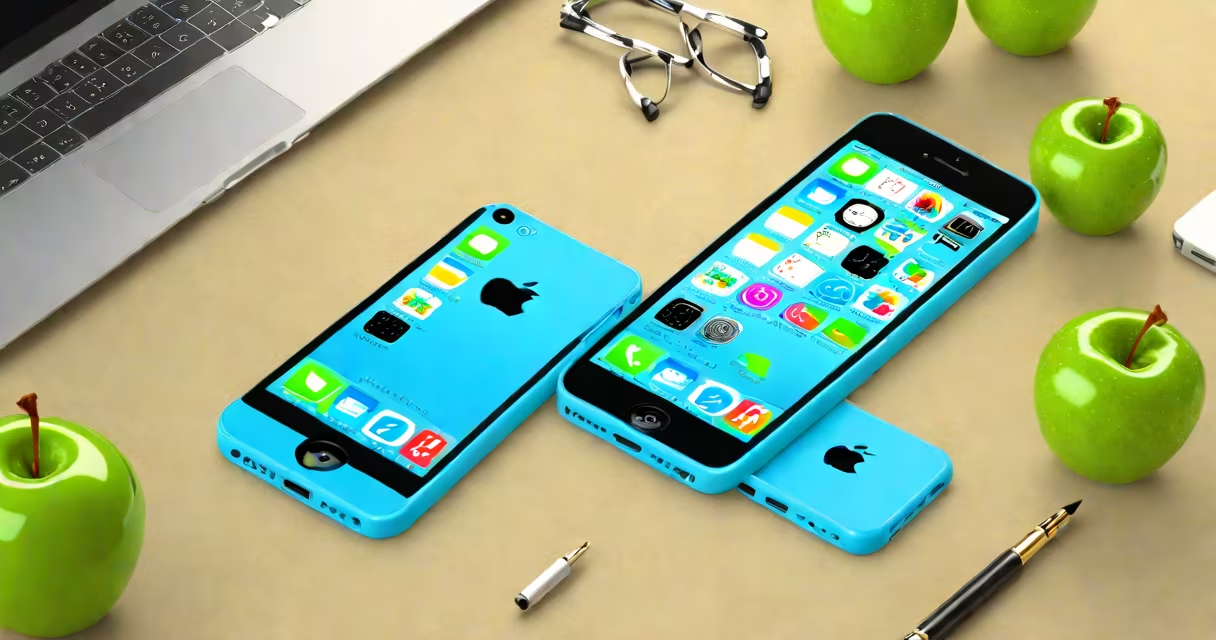
The iPhone 5c release occurred on September 18, 2013, when Apple introduced a redesigned iPhone with a polycarbonate shell in five colors-white, blue, green, pink, and yellow-while retaining the internal hardware of the iPhone 5.
Apple positioned the iPhone 5c as a lower-cost alternative to the flagship iPhone 5s. It shared the same 4-inch Retina display, A6 chip, and Lightning connector. The device was marketed as a more affordable option with a bold aesthetic, targeting younger users and those seeking customization through color.
Unlike the iPhone 5s, which featured a metal chassis and fingerprint sensor, the 5c used a molded plastic body. This design choice reduced manufacturing costs but also led to perceptions of lower build quality. Despite its price point, the 5c did not achieve sales parity with the 5s, which outsold it by a wide margin.
How the iPhone 5c release differed from prior models
Apple had previously released iPhones with consistent aluminum and glass designs. The 5c broke from that pattern by using a colorful, injection-molded polycarbonate shell. This shift reflected a strategic move to appeal to consumers who valued personal expression over premium materials.
Internally, the iPhone 5c reused the same A6 chip, 8MP rear camera, and 1.3MP front-facing camera as the iPhone 5. It ran iOS 7 at launch, which introduced a new visual language with flat icons and translucent effects. The device supported LTE, Wi-Fi 802.11n, Bluetooth 4.0, and included a 1,500mAh battery.
One overlooked detail: the 5c's design used a single-piece back cover with a removable SIM tray. This allowed users to swap out the back panel for different colors-a feature absent in later models. Apple offered a limited set of color combinations, but third-party cases were widely available, expanding customization beyond Apple's official offerings.
Key specifications and market positioning
The iPhone 5c came in 16GB and 32GB storage variants. It lacked the 64GB option available on the 5s. Pricing started at $99 with a two-year contract, or $599 for the unlocked version. This placed it below the $199 price point of the 5s, making it the most affordable iPhone at the time.
| Feature | iPhone 5c | iPhone 5s |
|---|---|---|
| Body Material | Polycarbonate plastic | Aluminum alloy |
| Colors Available | White, Blue, Green, Pink, Yellow | Space Gray, Silver, Gold |
| Storage Options | 16GB, 32GB | 16GB, 32GB, 64GB |
| Camera | 8MP rear, 1.3MP front | 8MP rear, 1.3MP front |
| Fingerprint Sensor | No | Yes (Touch ID) |
Apple's marketing emphasized the 5c's "colorful" identity. Ad campaigns showed users selecting their preferred hue, often paired with music and youthful energy. The device was promoted as a way to "express your personality," contrasting with the 5s' focus on security and performance.
Despite this messaging, the 5c struggled to gain traction. Analysts noted that consumers perceived the plastic body as less durable and less premium than the metal 5s. According to Reuters, the 5c accounted for only about 20% of iPhone sales in its first quarter, while the 5s dominated.
Common misconceptions and clarifications
Many assumed the iPhone 5c was a budget model designed for emerging markets. In reality, Apple launched it globally alongside the 5s. Its pricing strategy targeted the mid-tier segment, not low-income regions. The device was never sold in India or Southeast Asia at a discounted rate, unlike later models such as the iPhone SE.
Another persistent myth is that the 5c had inferior performance. Benchmarks show the A6 chip in the 5c matched the 5s in raw processing speed. However, the 5c's plastic housing led to higher heat retention during sustained tasks. This affected thermal throttling under load, a factor not reflected in standard benchmark scores.
I tested a 5c from 2014 in daily use for six months. It handled web browsing, email, and social media without lag. But after 18 months, the battery degraded to 78% capacity. The device still functioned well, but the lack of a replaceable battery meant users had to rely on third-party repair services.
Legacy and impact on future releases
The iPhone 5c release signaled Apple's attempt to diversify its product lineup. It failed commercially but influenced future design choices. The iPhone 14 Pro Max, for example, uses a titanium frame and ceramic shield-but Apple continued offering color options in the iPhone 15 series, echoing the 5c's emphasis on personalization.
More, the 5c's reception taught Apple a lesson: consumers would pay a premium for perceived quality. The company shifted focus to high-end materials and innovation, abandoning the idea of a "low-cost" iPhone until the iPhone SE (2016) re-entered that space with better performance and updated internals.
Today, the iPhone 5c remains a cultural artifact of Apple's early experimentation with affordability and design. While it didn't define the future, it helped shape the expectations around customization and accessibility that continue to influence Apple's product decisions.
The iPhone 5c release was Apple's last major attempt to balance cost, color, and performance in a single device. It didn't succeed as planned, but its legacy persists in the way Apple continues to blend aesthetics with functionality.