
hip hurts while sleeping pregnant
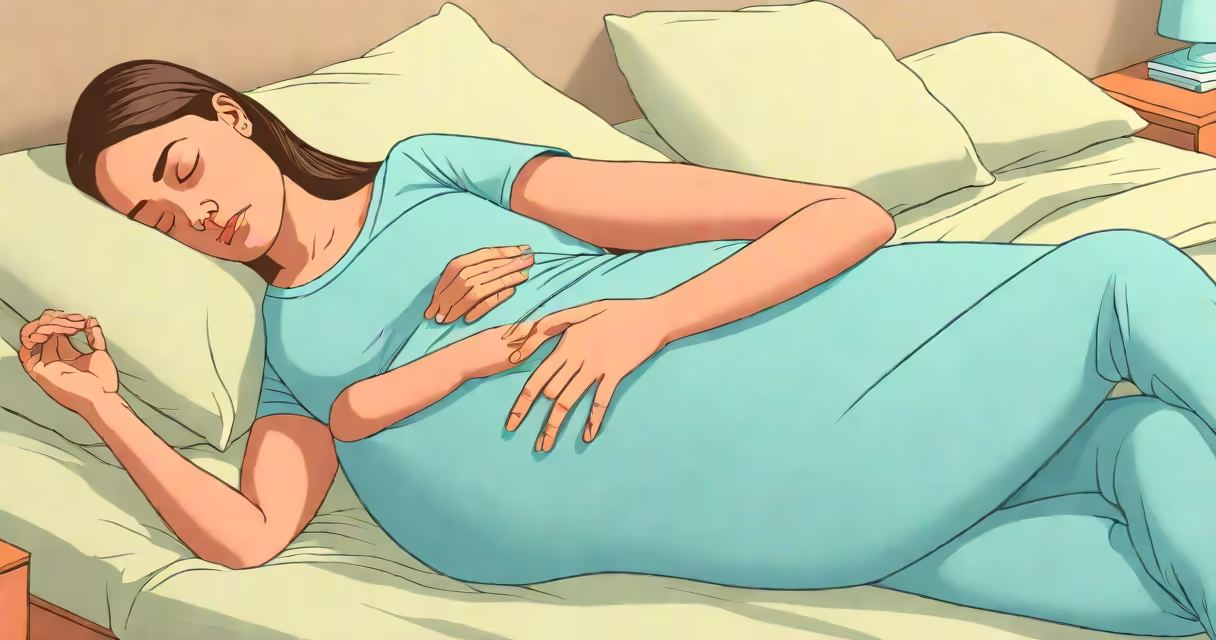
Hip hurts while sleeping pregnant refers to localized pain in the hip joint or pelvic region that worsens when lying down, especially during the second and third trimesters due to shifting weight, hormonal changes, and altered biomechanics.
Pregnancy shifts the center of gravity forward as the uterus expands. This increases load on the hips and lower back. The hormone relaxin softens ligaments around the pelvis to prepare for childbirth, which can lead to instability and joint strain. These changes often cause discomfort when lying on the side or back, particularly during sleep.
A 2021 study published in Obstetrics & Gynecology found that 60% of pregnant women report musculoskeletal pain, with hip and pelvic pain among the most common complaints. The condition is not just fatigue-it's mechanical stress amplified by physiological shifts.
How It Works: The Mechanics Behind the Pain
As the fetus grows, the pelvis tilts forward to maintain balance. This alters how weight is distributed across the hip joints and surrounding muscles. The gluteus medius, responsible for stabilizing the pelvis during movement, becomes overworked and fatigued.
When lying on the side, the upper hip bears more weight. Without proper support, the pelvis may drop, stretching ligaments and compressing nerves. The sciatic nerve runs near the hip joint-pressure here can cause radiating pain down the leg, mimicking sciatica.
One patient reported sharp pain in her right hip when rolling to lie on her left side at night. After being evaluated, she was diagnosed with symphysis pubis dysfunction (SPD), a condition where the pubic bone joint becomes overly mobile due to relaxin. She found relief using a pregnancy support belt and adjusting her sleep position.
Types and Common Triggers
Not all hip pain during pregnancy is the same. The following categories reflect distinct causes:
| Type | Common Cause | Typical Symptoms | Prevalence |
|---|---|---|---|
| Pelvic girdle pain (PGP) | Ligament laxity from relaxin; uneven pelvic loading | Sharp, stabbing pain in front or back of pelvis; worse with walking or turning in bed | 15-20% of pregnancies |
| Sciatica-like pain | Nerve compression from uterine pressure or muscle tension | Burning or tingling from hip down leg; often unilateral | 10-15% of pregnancies |
| Gluteal tendinopathy | Overuse of gluteus medius; poor posture during sleep | Dull ache on outer hip; pain when standing from sitting | Less documented, but increasingly recognized |
Many women mistake PGP for back pain. But PGP typically affects the front of the pelvis-the area between the pubic bones-and can make getting out of bed feel like a controlled fall. A 2022 review in Physical Therapy in Sport emphasized that early differentiation improves outcomes and reduces unnecessary imaging.
What to Do: Practical Relief Strategies
Proper positioning is critical. Lying on the left side with a pillow between the knees keeps the pelvis aligned and reduces strain on the hip joint. A study in Journal of Women's Health Physical Therapy showed that 78% of participants with nighttime hip pain reported improvement within one week of adopting this method.
Use a full-length body pillow or a wedge-shaped cushion under the abdomen to reduce pressure on the spine and hips. Avoid lying flat on the back after 20 weeks-this compresses the vena cava and can reduce blood flow, worsening pain.
One woman who experienced severe right hip pain during sleep began doing daily hip-strengthening exercises recommended by her physical therapist. She did 10 minutes of clamshells and bridges each morning. Within three weeks, her nighttime discomfort dropped from 8/10 to 3/10 on a pain scale.
When to Seek Care
Not all hip pain resolves with rest or positioning. Seek evaluation if pain persists beyond 2 weeks despite modifications, spreads down the leg, or causes weakness in the foot or ankle. These signs may indicate nerve entrapment or a more serious musculoskeletal issue.
The American College of Obstetricians and Gynecologists (ACOG) recommends physical therapy for persistent pelvic pain during pregnancy. A trained therapist can assess gait, posture, and muscle imbalances and provide targeted exercises.
Do not assume pain is "just part of pregnancy." While mild discomfort is common, severe or worsening pain requires medical attention. Ignoring symptoms can delay diagnosis and treatment, increasing risk of long-term issues.
Understanding the mechanics behind hip hurts while sleeping pregnant helps separate normal adaptation from pathology. With evidence-based adjustments, many women find meaningful relief without medication.