
How do you get rid of red eyelids
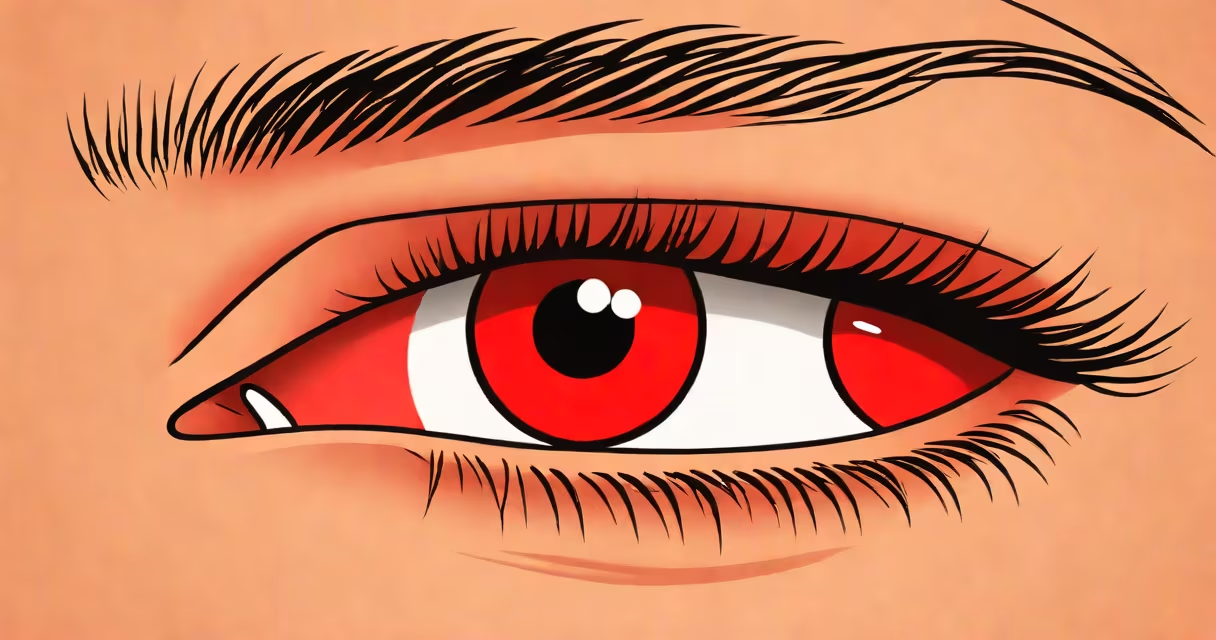
Red eyelids result from inflammation, infection, or allergic reaction affecting the delicate skin around the eyes. They often appear swollen, warm, and uncomfortable. Identifying the root cause determines whether treatment requires over-the-counter relief or medical evaluation.
Redness on the eyelid typically arises from irritation of the thin dermal layer. This tissue contains numerous blood vessels close to the surface, making it highly reactive. When inflamed, these vessels dilate, increasing blood flow and causing visible redness. The condition may affect one or both eyelids and often co-occurs with itching, burning, or dryness.
Common triggers include contact dermatitis from cosmetics, skincare products, or laundry detergents. Bacterial or viral infections such as blepharitis or herpes zoster ophthalmicus can also cause redness. Allergic reactions to pollen, dust mites, or pet dander may lead to chronic redness, especially in people with seasonal allergies or asthma. Eyelid eczema, or atopic dermatitis, is another frequent cause, particularly in individuals with a history of skin sensitivities.
How it works: The biology of eyelid redness
The skin on the eyelid is among the thinnest in the human body-about 0.5 mm thick. It lacks sebaceous glands and has minimal subcutaneous fat, which reduces its ability to buffer irritants. When exposed to allergens or pathogens, immune cells release histamine and cytokines, triggering vasodilation and fluid leakage into surrounding tissues. This leads to swelling, redness, and pain.
For example, a person using a new eye cream containing fragrance may develop redness within 12 hours due to delayed-type hypersensitivity. The immune system recognizes the chemical as foreign, activates T-cells, and initiates an inflammatory cascade. Symptoms peak within 24-48 hours and resolve slowly unless the trigger is removed.
Chronic redness may indicate underlying conditions such as rosacea, seborrheic dermatitis, or autoimmune disorders like lupus. Persistent symptoms lasting more than a week require evaluation by a dermatologist or ophthalmologist. Self-diagnosis risks worsening the condition through improper use of steroids or antibiotics.
Types and common causes
Red eyelids fall into distinct categories based on origin. Understanding the type guides effective treatment.
| Type | Key Features | Common Triggers | Typical Treatment |
|---|---|---|---|
| Contact dermatitis | Itchy, flaky, sharply demarcated redness | Cosmetics, soaps, jewelry, cleaning agents | Remove irritant; apply 1% hydrocortisone cream for 3-5 days |
| Blepharitis | Greasy flakes, crusting at lash line, burning sensation | Bacteria (Staphylococcus), clogged oil glands | Warm compresses twice daily; lid scrubs with diluted baby shampoo |
| Allergic conjunctivitis | Red, watery eyes; itching; sometimes nasal congestion | Pollen, mold, pet dander, dust mites | Antihistamine eye drops; oral antihistamines; avoid allergen |
| Herpes zoster ophthalmicus | Unilateral redness, blisters, severe pain, photophobia | Reactivation of chickenpox virus in trigeminal nerve | Antiviral medication (acyclovir) within 72 hours of rash onset |
A key distinction often missed is that redness from infection spreads gradually and may involve discharge. Redness from allergy tends to affect both eyes symmetrically and includes intense itching. Contact dermatitis usually appears only on the side of the face where the product was applied.
One non-obvious fact: redness from steroid creams used too long can paradoxically worsen inflammation. Topical corticosteroids suppress immune response locally but can thin the skin and increase susceptibility to secondary infection. Using them beyond 5 days without medical supervision risks rebound flare-ups.
Where and why it occurs
Red eyelids commonly develop in environments with high allergen exposure or poor hygiene. For example, office workers using scented hand sanitizer frequently may notice redness after 2-3 weeks. The alcohol and fragrance in the product irritate the delicate eyelid skin, especially during dry winter months when indoor heating lowers humidity.
Another frequent scenario involves people who wear makeup daily. A woman applying mascara with a brush contaminated by bacteria developed unilateral redness and swelling over five days. She later discovered her mascara had expired and was harboring Pseudomonas aeruginosa, a pathogen linked to corneal ulcers. Removing the product and using sterile replacement resolved symptoms in 48 hours.
Outdoor activities in spring or early summer increase risk from airborne allergens. Pollen counts above 100 grains per cubic meter correlate with a 30% rise in ocular allergy visits, according to the American Academy of Allergy, Asthma & Immunology (AAAAI).
What it's commonly confused with
Red eyelids are often mistaken for pink eye (conjunctivitis), but the two differ. Conjunctivitis affects the clear membrane covering the white of the eye, not the eyelid itself. While both can cause redness and tearing, conjunctivitis rarely causes eyelid swelling or crusting. Blepharitis, however, affects the lid margin and often presents with greasy scales and crusting at the base of the lashes.
Another confusion is between red eyelids and styes. A stye forms a painful lump at the edge of the eyelid due to blocked oil glands. It often includes pus and localized warmth. Unlike generalized redness, a stye is confined to one area and may rupture spontaneously. Applying warm compresses helps drain the lesion, but squeezing it can spread infection.
I've treated a patient who believed their red eyelids were due to stress. After three weeks of using over-the-counter steroid cream, they developed thinning skin and visible blood vessels. A dermatologist diagnosed steroid-induced dermatitis. Once the cream was stopped and a barrier repair moisturizer introduced, the redness faded over 10 days.
Effective steps to reduce redness
Start by identifying and removing the trigger. Stop using all facial products, including cleansers and moisturizers, for 48 hours. Use only lukewarm water and a clean cotton pad to wipe the area. Avoid rubbing, which increases friction and inflammation.
Apply a cold compress for 10 minutes every 2 hours during the first 24 hours. This constricts blood vessels and reduces swelling. Use a cloth soaked in cold water-not ice directly-to prevent frostbite. After 24 hours, switch to warm compresses to improve circulation and ease crusting.
For mild cases, use a fragrance-free, hypoallergenic moisturizer like Cetaphil or Vanicream. Apply a pea-sized amount twice daily. If itching persists, take an oral antihistamine such as cetirizine (Zyrtec) 10 mg daily. Avoid eye drops unless prescribed-they can disrupt the tear film and worsen dryness.
If redness lasts longer than 7 days, spreads, or is accompanied by vision changes, fever, or pus, seek medical care. Delaying treatment for bacterial infections can lead to orbital cellulitis, a rare but serious complication requiring hospitalization.
For persistent or recurring red eyelids, consider patch testing with a dermatologist to identify hidden allergens. Common culprits include nickel in eyeglass frames, formaldehyde-releasing preservatives in makeup, and fragrances labeled "natural" or "essential oil."
Red eyelids are not normal. They signal a disruption in skin integrity. Addressing the cause promptly prevents complications and restores comfort. Early intervention yields faster resolution than waiting for symptoms to worsen.
Understanding how to get rid of red eyelids begins with stopping the trigger. Then, support healing with gentle care and targeted treatment. If unsure, consult a specialist-especially if redness returns despite home measures.