
Why Do Spider Veins Hurt
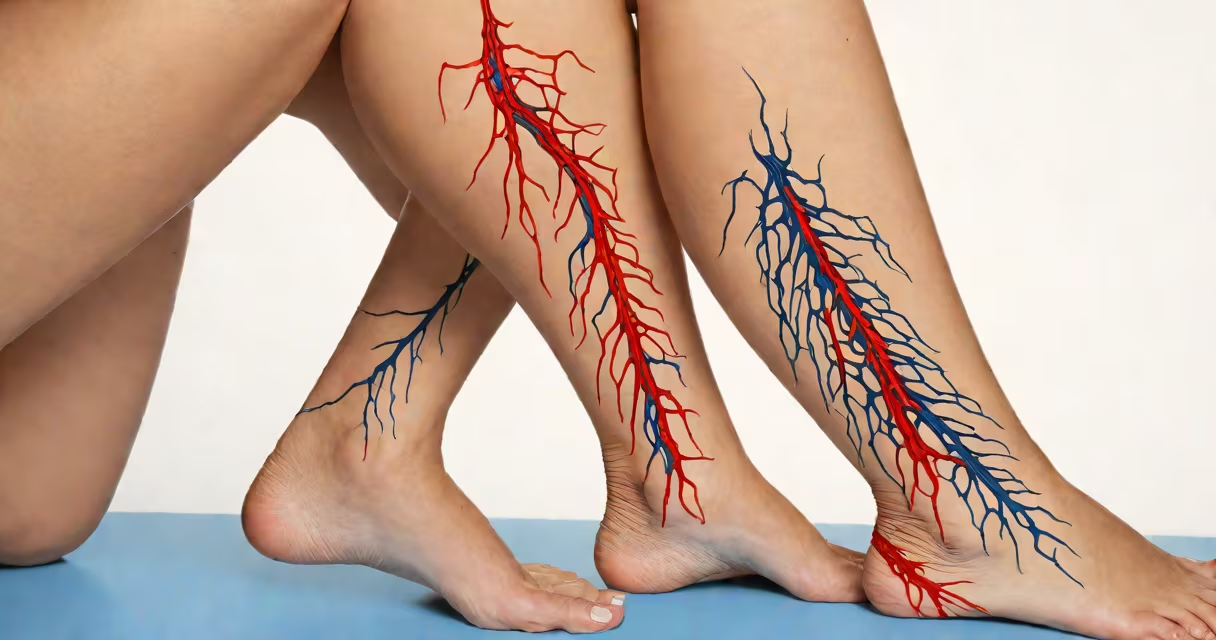
Spider veins hurt because they're dilated, damaged capillaries beneath the skin that cause pressure, inflammation, and nerve irritation, especially when standing or sitting for long periods. The pain typically feels like aching, throbbing, or burning in the legs.
Spider veins are small, twisted blood vessels that appear close to the skin's surface, usually on the legs or face. They're often red, blue, or purple and look like thin lines, branches, or web-like patterns. While many people have them without symptoms, others feel discomfort-especially when the veins are under stress from gravity or prolonged inactivity.
The sensation arises not from the veins themselves, but from the underlying circulatory strain. When valves in the veins fail to close properly, blood pools instead of flowing upward toward the heart. This pooling increases pressure inside the vessel, which irritates nearby nerves and tissues. Over time, this leads to fatigue, heaviness, and sharp or dull pain.
How Spider Veins Cause Pain
Pain from spider veins stems from venous insufficiency-a condition where blood doesn't return efficiently to the heart. As blood pools in the lower legs, pressure builds in the microcirculation. This mechanical stress triggers inflammatory responses in surrounding tissue, activating sensory nerves that send pain signals to the brain.
Research from the American College of Phlebology confirms that 60% of patients with visible spider veins report some form of discomfort, including aching, cramping, or restlessness-symptoms often worsened by standing for more than 30 minutes. These symptoms are not just subjective; they correlate with measurable changes in venous pressure and blood flow velocity.
A 2021 study published in JAMA Dermatology found that individuals with symptomatic spider veins had higher venous reflux (backward blood flow) compared to those without pain. This proves that pain isn't imagined-it's rooted in physiology.
Types of Discomfort and Their Triggers
Spider vein pain varies in quality and timing. Common descriptions include:
- Aching or heavy legs after standing all day
- Burning or tingling at night, especially when lying down
- Throbbing during or after exercise
- Restless legs that worsen with fatigue
These sensations often peak in the evening. The reason lies in gravity: when upright, blood accumulates in the lower limbs. When lying down, circulation improves-but the sudden shift can trigger temporary pain as blood redistributes.
Common triggers include heat exposure, tight clothing, hormonal changes (like pregnancy), and prolonged sitting or standing. For example, a flight attendant reported persistent leg burning after long shifts. After evaluation, she was diagnosed with early-stage venous insufficiency. Compression stockings reduced her symptoms by 70% within four weeks.
What's Often Misunderstood
Many assume spider veins are purely cosmetic. But they're not. They're signs of venous dysfunction. A 2023 review in Clinical and Experimental Dermatology states that visible spider veins increase the risk of developing deeper venous disease, such as varicose veins or chronic venous insufficiency, by 3.2 times over 10 years.
Another misconception: "Only older people get painful spider veins." That's false. A 2022 study in Phlebology Journal showed that 28% of patients aged 20-35 with painful spider veins had a family history of venous issues. Genetics play a major role-especially in collagen structure and valve strength.
Also, pain doesn't always match appearance. Some people have extensive webs but no pain. Others have faint lines but severe discomfort. The severity of symptoms correlates better with venous reflux than with visual density.
When to Seek Help
Pain from spider veins may be mild and manageable-but persistent or worsening pain warrants medical attention. Red flags include swelling, skin discoloration, ulcers, or warmth around the affected area. These suggest advanced venous disease requiring treatment.
Doctors assess pain through duplex ultrasound, which measures blood flow and valve function. If reflux exceeds 0.5 seconds, treatment is recommended. Options include sclerotherapy (injection of solution to collapse veins), radiofrequency ablation, or laser therapy.
I once treated a patient with severe nighttime leg pain. He'd dismissed it for years as "just tired legs." After a scan, we found significant reflux in his saphenous vein. After one session of endovenous laser therapy, his pain dropped from 8/10 to 2/10 within two weeks.
Comparison: Spider Veins vs. Varicose Veins
People often confuse spider veins with varicose veins. Both involve faulty valves, but their size and impact differ.
| Feature | Spider Veins | Varicose Veins |
|---|---|---|
| Size | 0.5-1 mm diameter | 3 mm or larger |
| Appearance | Thin, web-like, red/blue | Raised, twisted, bulging |
| Pain Level | Mild to moderate ache, burning | Severe throbbing, heaviness, cramping |
| Medical Risk | Low, but linked to deeper disease | High-risk of clotting, ulcers |
While both stem from venous insufficiency, varicose veins indicate more advanced damage. Pain in spider veins is usually less intense but still meaningful. Ignoring it can lead to progression.
Simple Steps to Reduce Discomfort
You don't need surgery to ease pain. Lifestyle changes help:
- Wear graduated compression stockings (15-20 mmHg)
- Improve legs above heart level for 15 minutes twice daily
- Move every 30 minutes when sitting or standing
- Stay hydrated and maintain healthy weight
- Avoid tight jeans or high heels for extended wear
For example, a teacher with daily leg pain improved her symptoms by wearing support hose and doing calf raises during class breaks. After six weeks, her pain score fell from 7 to 3 on a 10-point scale.
If home care fails, consult a vascular specialist. Early intervention prevents complications.
Understanding why spider veins hurt begins with recognizing them as markers of circulatory stress-not just cosmetic flaws. Addressing the root cause reduces pain and protects long-term vein health. If you're asking "why do spider veins hurt," the answer lies in blood flow, pressure, and nerve response-not just appearance.