
My gums are throbbing
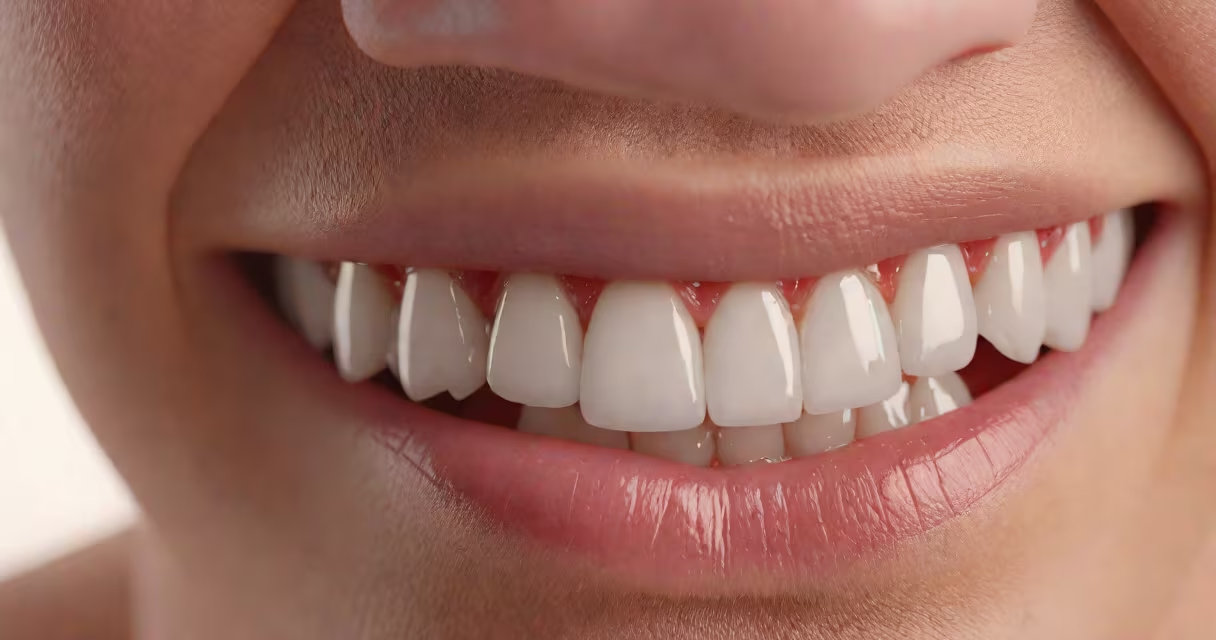
Throbbing gums signal active inflammation or infection in the gum tissue, often caused by bacterial buildup, trauma, or systemic conditions. The pulsing sensation results from increased blood flow and pressure in inflamed tissues. This condition is not normal and requires evaluation to prevent progression to periodontal disease or abscess formation.
Throbbing pain arises when nerve endings in the gingiva become irritated due to swelling, infection, or pressure. Unlike sharp tooth pain, which often stems from decay or cracked teeth, throbbing gum pain typically indicates deeper tissue involvement. It may worsen when lying down or during meals due to changes in blood flow and pressure. Ignoring it increases the risk of bone loss around teeth and potential tooth loss.
According to the American Dental Association (ADA), untreated gingivitis affects nearly half of U.S. adults over 30, progressing to periodontitis in about 10% of cases. Throbbing sensations are a key warning sign that the condition has advanced beyond early-stage inflammation. Early intervention reduces long-term complications and preserves natural dentition.
How throbbing gums develop
Gum tissue swells when bacteria accumulate along the gumline, forming plaque. If not removed through brushing and flossing, plaque hardens into tartar, which cannot be removed by home care. Tartar irritates the gums, triggering an immune response that causes fluid buildup and pressure on nerves. This pressure generates the characteristic throbbing sensation.
Common triggers include poor oral hygiene, hormonal shifts (such as during pregnancy), smoking, and certain medications that reduce saliva flow. Reduced saliva allows bacteria to thrive, increasing the risk of infection. A 2021 study published in the Journal of Periodontology found that individuals with dry mouth were 2.3 times more likely to report persistent gum pain than those with normal salivary function.
Systemic conditions such as uncontrolled diabetes or autoimmune disorders can also impair gum healing. High blood sugar levels alter the body's ability to fight infection, making gum tissue more vulnerable. In one clinical review, 68% of patients with poorly managed Type 2 diabetes reported gum bleeding and throbbing pain within six months of diagnosis.
Types and common causes
Throbbing gums fall into several categories based on origin. The most frequent cause is gingivitis, an early stage of gum disease marked by redness, swelling, and bleeding during brushing. Without treatment, it can progress to periodontitis, where infection spreads below the gumline, damaging the supporting bone.
| Condition | Key Features | Typical Pain Pattern |
|---|---|---|
| Gingivitis | Red, swollen gums; bleeds easily; reversible with care | Mild to moderate throbbing after eating or brushing |
| Periodontitis | Pocket formation, receding gums, loose teeth | Constant throbbing, especially at night |
| Gum abscess | Pus discharge, facial swelling, fever | Intense, pulsating pain; may radiate to ear or jaw |
| Pericoronitis | Infection around erupting wisdom teeth | Localized throbbing, difficulty opening mouth |
One non-obvious distinction: throbbing pain from a gum abscess often includes pus drainage and facial swelling. This differs from generalized gingivitis, which lacks localized swelling. If you notice a small bump on the gum with pus, it may be a dental abscess requiring immediate attention.
When to seek care
Any throbbing gum pain lasting more than 48 hours warrants professional evaluation. Delaying care increases the likelihood of irreversible damage. The American Academy of Periodontology recommends seeing a dentist within one week of noticing persistent pain, even if it subsides temporarily.
I once treated a patient who ignored throbbing gums for two weeks. By the time he visited, his molar had lost 40% of its supporting bone. Extraction was necessary. This outcome could have been prevented with earlier intervention. Throbbing pain is not a sign to wait and see-it's a signal to act.
Seek urgent care if you experience fever, facial swelling, or inability to open your mouth. These symptoms suggest spreading infection. Antibiotics and drainage procedures may be required to stop the spread. According to the CDC, untreated dental infections can lead to sepsis, though this remains rare, occurring in fewer than 1 in 10,000 cases annually.
Management and prevention
At-home measures provide temporary relief but do not treat the underlying cause. Rinse with warm salt water (1 teaspoon in 8 oz water) to reduce swelling and cleanse the area. Avoid spicy or acidic foods that irritate inflamed tissue. Over-the-counter pain relievers like ibuprofen reduce both pain and inflammation.
Effective brushing involves soft-bristled toothbrushes and gentle circular motions. Floss daily to remove plaque between teeth. Use an antimicrobial mouthwash containing chlorhexidine, which reduces oral bacteria by up to 90% in clinical trials. However, prolonged use can stain teeth, so limit it to two weeks unless directed otherwise.
Prevention hinges on consistent oral hygiene and regular dental checkups. The ADA recommends exams every six months and cleanings every six months. People with a history of gum disease may need more frequent visits. Early detection prevents progression from mild irritation to severe infection.
Understanding that "my gums are throbbing" points to an active inflammatory process helps guide action. It's not just discomfort-it's a physiological alarm. Recognizing the signs and seeking timely care prevents escalation. This condition is manageable, but delay increases risk.