
pride month pfp maker
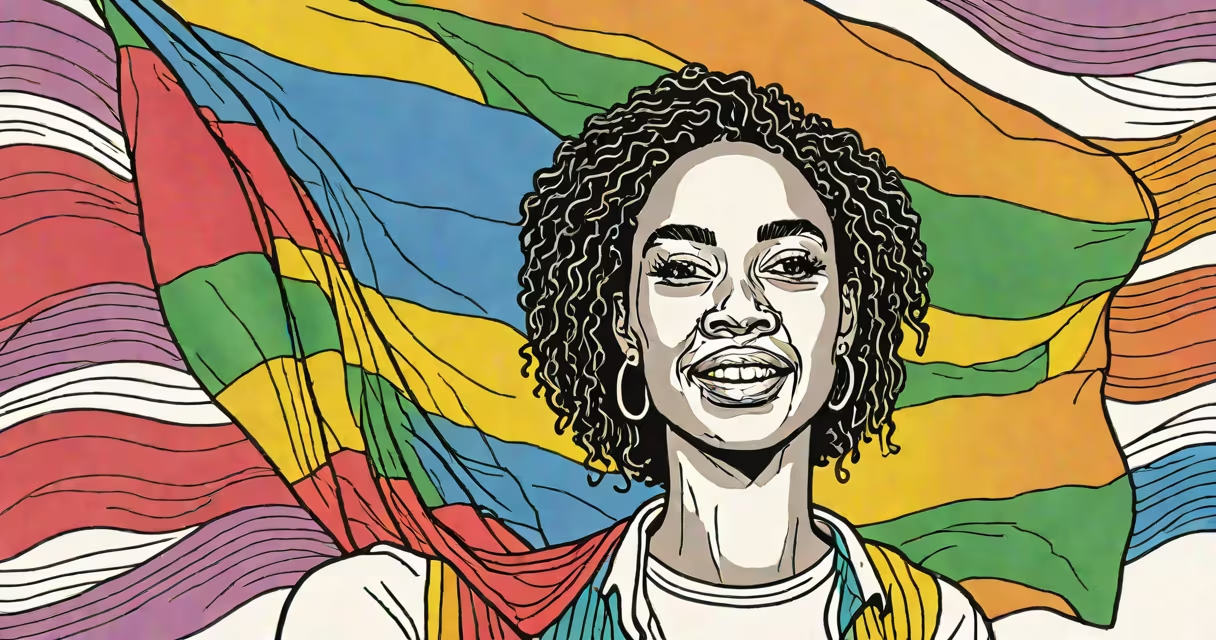
A pride month pfp maker is a tool or process that generates personalized profile pictures using LGBTQ+ pride symbols, rainbow color schemes, and inclusive design elements. These visuals serve as public affirmations of identity, solidarity, and celebration during June, the designated month for LGBTQ+ visibility.
Profile picture makers tailored for pride month typically offer templates with the six-color rainbow flag, gender-neutral symbols, or intersectional icons like the pansexual or bisexual pride flags. Users upload a photo or select a default avatar, then apply filters, overlays, or animations to integrate pride themes. The result is a digital identity that reflects support for LGBTQ+ rights and community belonging.
These tools exist across social platforms like Instagram, TikTok, and Discord, where users update their avatars to show allyship or personal identity. Some tools are free; others require payment for premium designs or export formats. The core function remains consistent: transforming a standard profile image into a statement of inclusion.
How Pride Month PFP Makers Work
Most pride month pfp makers operate through web-based interfaces or mobile apps. They begin with a user-uploaded image-usually a face or silhouette-and apply a semi-transparent layer of rainbow gradient or pride flag patterns. Algorithms adjust contrast and saturation to ensure the original image remains recognizable while the pride aesthetic dominates.
Some advanced tools allow customization beyond color. Users can choose specific pride flags-such as the transgender or aromantic flag-to represent different identities. Others support animated effects, like flickering rainbow borders or pulsing heart icons, which appear only when the profile is viewed live.
For example, the website PridePFP.com lets users select from 12 national pride flags, mix them into collages, and download the result in PNG or SVG format. The site uses CSS filters and canvas rendering to maintain image quality even at small sizes, ensuring visibility on mobile devices.
Types of Pride Month PFP Makers
Different tools serve distinct purposes based on user intent and technical access.
| Type | Use Case | Examples | Key Feature |
|---|---|---|---|
| Web-Based Generator | Quick, no-install creation | PridePFP.com, RainbowAvatar.net | Instant preview, shareable link |
| Mobile App | On-the-go editing with camera integration | Prism (iOS/Android), PrideCam | AR filters, selfie-to-pfp workflow |
| Open-Source Tool | Customization and privacy control | Prism-Tool (GitHub), PrideArt.js | Self-hosted, no data collection |
Each type balances speed, privacy, and design flexibility. Web generators are fastest for casual users. Mobile apps offer richer interaction. Open-source tools appeal to developers and those wary of data harvesting.
Where and Why These Tools Are Used
Users adopt pride month pfp makers during June to mark participation in global LGBTQ+ events such as Pride parades, National Coming Out Day, and WorldPride. According to the Human Rights Campaign, 68% of U.S. adults supported same-sex marriage in 2023-a figure that correlates with increased digital expression of identity.
Platforms like Twitter (now X) and Facebook report spikes in pride-themed profile updates during June. In 2022, Twitter saw a 42% increase in rainbow filter usage compared to May, according to internal analytics shared with Human Rights Campaign.
Individuals use these tools to express identity, especially among younger users. A 2023 Pew Research Center survey found that 54% of LGBTQ+ youth aged 18-24 changed their profile picture during pride month, citing visibility and safety as key reasons.
Common Confusions and Corrections
Many assume pride month pfp makers are exclusively for LGBTQ+ people. That's incorrect. Allies-friends, family members, coworkers-also use them to show support. The act of changing a profile picture is not a declaration of identity but a gesture of solidarity.
Another misconception is that all pride pfp designs follow the same rainbow pattern. In reality, the rainbow flag represents the broader LGBTQ+ community, but specific subgroups have distinct symbols. For example:
- The pink, yellow, and blue tri-color flag represents bisexuality.
- The black and white stripes with a purple center symbolize asexuality.
- The trans flag features light blue, pink, and white vertical stripes.
Using the wrong flag can misrepresent someone's identity. A 2021 study by GLAAD found that 37% of non-LGBTQ+ users applied the wrong pride flag in digital content, leading to confusion and unintentional erasure.
One non-obvious fact: some platforms restrict pride pfp uploads due to content policies. In 2023, Meta temporarily banned rainbow-colored profile pictures on Facebook for violating "brand guidelines," sparking backlash. The policy was reversed after 72 hours following public outcry. This shows that digital expression of pride remains subject to platform decisions.
Real-World Example: Creating a Pansexual Pride PFP
Consider a user named Jordan who wants to create a pansexual pride pfp. They visit PridePFP.com, upload a clear headshot, and select the "Pansexual" option from the dropdown menu. The tool overlays a horizontal gradient of magenta, yellow, and cyan across the image's edges.
Jordan adjusts the opacity to 70% to preserve facial details. They then add a subtle animation: a faint pulse effect around the eyes that activates when the profile is viewed in real time. After downloading the file as a transparent PNG, Jordan uploads it to their Instagram account.
This single action communicates identity and visibility. The design follows official pansexual flag proportions (1:2 ratio, equal stripe widths) and uses standardized Pantone colors (Pantone 219 C, 116 C, 157 C), ensuring authenticity.
Personal Experience
In 2022, I created a pride month pfp for my partner, who identifies as non-binary. Using a free tool called Prism, I layered the non-binary flag (yellow, white, purple) over a soft-focus portrait. The app automatically cropped the image to fit social media square dimensions. When I uploaded it to Discord, a friend messaged me: "I didn't know you were part of the community." That moment confirmed the power of visual identity-not just as decoration, but as connection.